Where and When Do Termite Swarms Occur in Florida?
Florida's warm, humid weather creates the perfect breeding ground for termites, and at Paragon Pest Solutions, Inc., we see firsthand how quickly these pests can become a serious problem for homeowners. Termites thrive in Florida’s climate, which means staying informed about their swarming patterns is essential for protecting your home. Seeing a swarm of termites can be a bit of a shock, but knowing what triggers them and when they typically show up can help you protect your home. This article breaks down everything you need to know about termite swarms in Florida.
Key Takeaways
- Termite swarms in Florida usually happen in spring and summer, but can occur at other times depending on the species and weather.
- Different types of termites, like subterranean and drywood termites, have their own peak swarming seasons throughout the year.
- Swarming is a sign that a mature termite colony is nearby, and it's the termites' way of spreading and starting new colonies.
- Look for winged termites, discarded wings, mud tubes, or frass (droppings) as signs of a potential termite problem.
- Taking preventative steps like moisture control and regular inspections is important, but professional help is often needed to deal with infestations.
Understanding Termite Swarms in Florida
What Triggers a Termite Swarm?
Termite swarms aren't just random events; they're a deliberate part of a termite colony's life cycle. Think of it as the colony's way of sending out its kids to start their own families. This usually happens when a colony gets big and established, typically after a few years. The main trigger is the right weather conditions. Florida's warm, humid climate is pretty much a year-round invitation for termites, but specific conditions really get them going. Warm temperatures, especially after a good rain, signal that it's time to send out the winged reproductives, also called alates or swarmers.
Why Do Termites Swarm?
So, why all the fuss about swarming? It's all about reproduction and expansion. When a termite colony matures, it produces these winged termites. Their job is to fly out, find a mate, and then find a suitable place to start a brand new colony. It's nature's way of spreading the species. If you see a swarm, it's a pretty good indicator that there's a mature termite colony nearby, and that colony has been around for a while – possibly 3 to 5 years – silently doing its thing.
Misconceptions About Termite Swarms
People often get confused when they see a swarm. The biggest mix-up is mistaking them for flying ants. While they both have wings and fly, termites have some key differences. Termites have straight antennae, a thick waist, and wings that are the same size. Flying ants, on the other hand, have bent antennae, a pinched waist, and their front wings are larger than their back wings. Another common thought is that swarmers themselves cause damage. That's not quite right. The swarmers are the reproductive ones; they don't eat wood or bite. The real damage is done by the worker termites in the colony that you don't usually see. Seeing a swarm is more of a warning sign that a damaging colony is already established nearby.
Here's a quick rundown of how to tell them apart:
- Termites: Straight antennae, thick waist, two pairs of equal-sized wings.
- Flying Ants: Bent antennae, narrow waist, two pairs of wings where the front pair is larger than the back pair.
Seeing a swarm doesn't mean your house is immediately being eaten by those specific insects, but it's a loud and clear signal that a colony is present and active. It's like seeing smoke – you know there's a fire somewhere nearby, even if you can't see the flames yet.
Types of Termites That Swarm in Florida
Florida's warm climate is a magnet for termites, and understanding the different types that call our state home is key to spotting them. Each species has its own habits, especially when it comes to swarming, which is basically their way of reproducing and starting new colonies. Knowing these differences can help you figure out what you're dealing with.
Subterranean Termites and Swarm Timing
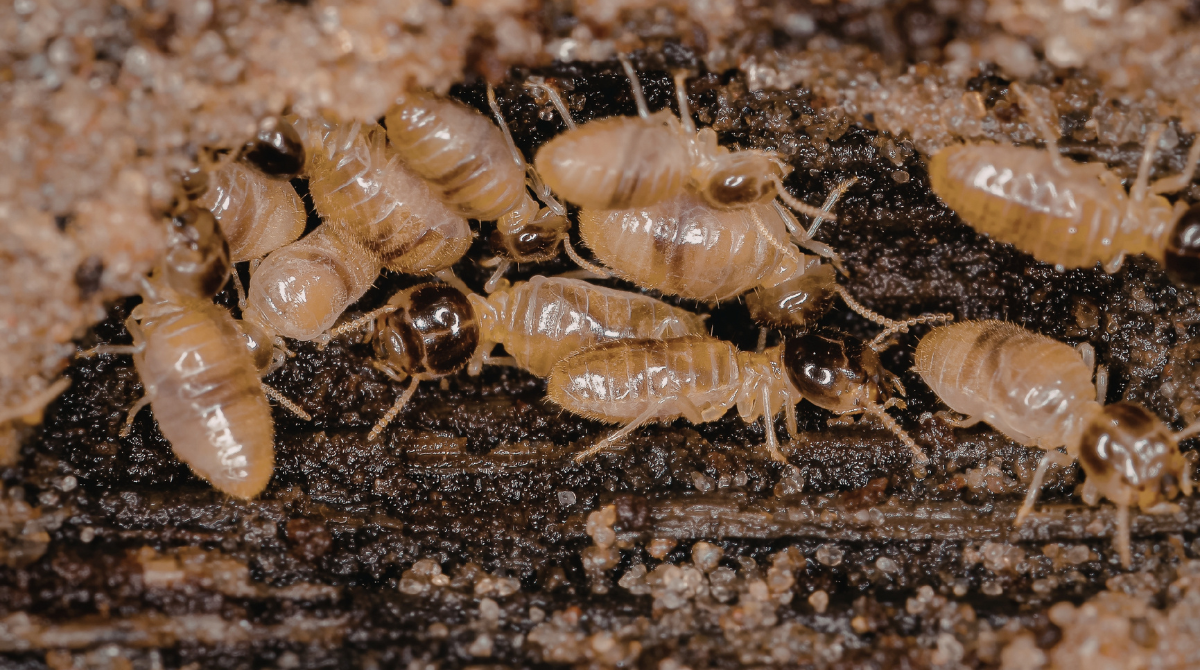
These are probably the most common type you'll encounter. Subterranean termites live in underground colonies and build mud tubes to travel between their nests and food sources. Their swarming usually happens in the spring, often on warmer days after a good rain. Some species might even have a second, smaller swarm in the fall. Eastern subterranean termites tend to swarm during the day, while others, like the Asian subterranean termite, prefer to come out at night. Spotting these winged termites, or alates, is a big clue that a colony is nearby.
Drywood Termites and Their Unique Patterns
Unlike their subterranean cousins, drywood termites don't need to stay close to the ground or moisture. They can set up shop in drier wood, like attics, furniture, or even structural beams. Their swarming season typically runs from late spring through the summer and into early fall, often peaking between June and September. A tell-tale sign of drywood termites, besides the swarmers themselves, is the hexagonal pellets of frass (droppings) they push out of their galleries, often found near windowsills or baseboards.
Formosan Termites and Aggressive Colonies
Formosan termites are a particularly aggressive type of subterranean termite. They're known for building massive colonies and can cause significant damage pretty quickly. Their swarming period usually kicks off in late spring and continues into early summer. You'll often see them swarming around dusk or after dark, especially drawn to exterior lights. These guys are a serious concern for homeowners, and their presence can mean a mature colony has been established for a while, potentially causing damage over several years. If you're in areas like Tallahassee, you might see more of these. Formosan termites in Florida usually swarm from early April to late June.
Dampwood Termites and Where They Swarm
Dampwood termites are less common in urban settings and are usually found in areas with decaying wood that has a high moisture content. Think fallen trees, stumps, or wood in contact with damp soil. Because they need moisture, their colonies are often found in more natural or less developed areas. Their swarming patterns can be a bit more varied, but they are also attracted to lights and may swarm during warmer, humid evenings. They don't typically cause the widespread structural damage that subterranean or drywood termites do, but they can still indicate moisture problems that need addressing.
It's important to remember that while seeing a swarm is alarming, the swarmers themselves don't bite or eat wood. Their appearance is a sign that a mature colony is nearby and looking to expand. This is your cue to investigate further and consider professional help.
Prime Termite Swarming Seasons in Florida
Florida's warm and humid climate is a year-round invitation for termites, but there are definitely peak times when these pests decide to spread their wings. Understanding these seasons can help you stay vigilant and protect your home.
Spring as the Peak Swarming Season
For many homeowners in Florida, spring signals the start of termite season. As temperatures rise and the air gets more humid, especially after a good rain, it's prime time for termite colonies to send out their reproductive swarmers. This is when you're most likely to see large numbers of winged termites emerging from established colonies. They're looking to mate and start new homes, and unfortunately, your house might look like a good candidate. While the exact timing can shift a bit year to year, late spring is generally when the activity really picks up across the state. It's a natural process for them, but it's a big warning sign for us.
Late-Summer and Fall Swarms
While spring gets most of the attention, don't let your guard down as summer winds down. Some species, particularly certain types of subterranean termites, can continue swarming well into the late summer and even into early fall. These later swarms might be less widespread than the spring exodus, but they still indicate active, mature colonies nearby. Keep an eye out, especially in the southern parts of Florida, where the warmer weather can extend the swarming period. It’s not uncommon to see activity as late as July or August in those regions.
Swarming Patterns by Region
Florida isn't a monolith when it comes to termite swarming. The timing can vary a bit depending on where you are in the state. Generally, southern Florida tends to see earlier swarms due to its consistently warmer climate. Northern and central Florida might experience slightly later starts to the swarming season, often aligning more closely with the typical spring peak. However, local weather patterns, like sudden temperature spikes or heavy rainfall, can influence swarming activity in any region. It's always a good idea to be aware of the general patterns but also pay attention to the specific conditions around your home. Termites are spreading rapidly throughout Florida, exceeding earlier predictions, so staying informed about termite activity is key.
Remember, these are general guidelines. Weather plays a huge role, and a warm spell after rain can trigger swarms even outside these typical windows. The key is to be observant throughout the warmer months.
Regional Hotspots for Termite Swarms in Florida
Florida's climate is pretty much a termite's paradise, which means swarms can pop up pretty much anywhere. But, some areas seem to get more action than others. It's not just about where you live, but also what's around your home.
South Florida’s Swarm Activity
Down in South Florida, things tend to heat up early. Because it's warmer for longer, you might see swarms starting a bit sooner and lasting later into the year. This is especially true for species like the Formosan subterranean termite, which can be quite aggressive. They seem to like the dense urban areas as much as the suburbs, so keep an eye out, especially after a good rain.
Northern and Central Florida Differences
Up in Northern and Central Florida, the timing can shift a little. While spring is still a big swarming season, you might notice a bit of a lull before late-summer or fall swarms pick up, particularly from drywood termites. These areas often have a mix of older homes and new developments, each potentially offering different attractions for termite colonies.
Urban Versus Rural Swarm Incidences
It's a common thought that termites are only a problem in older, rural areas, but that's not quite right. Termite swarms can happen anywhere. Urban environments, with lots of landscaping and moisture from irrigation, can be just as attractive as a wooded rural setting. In fact, the concentration of homes in cities can sometimes lead to more noticeable swarms because there are simply more potential colonies close together. Proper landscape maintenance is key to discouraging termites, whether you live in the city or the country.
Termites are always looking for food and moisture. This means that even well-maintained urban areas with plenty of trees, shrubs, and consistent watering can become prime real estate for termite colonies. Don't assume that just because you live in a city or a newer home that you're automatically safe from a termite swarm.
Here's a quick look at what you might expect:
- South Florida: Earlier and longer swarming seasons, especially Formosan termites.
- Central/North Florida: Peak spring swarms, with potential for later swarms from drywood types.
- Urban Areas: High potential due to concentrated resources (water, wood).
- Rural Areas: Still a risk, especially near wooded areas or older structures.
Weather and Environmental Factors That Influence Swarming
Florida's climate is practically a termite buffet, and the weather plays a huge role in when these pests decide to make their grand appearance. It's not just random; termites are pretty particular about their swarming conditions.
Impact of Humidity and Rainfall
Termites, especially subterranean ones, really need moisture to survive and thrive. That's why you'll often see them swarming after a good rain. The increased humidity in the air signals to them that it's a good time to head out and find a new place to set up shop. Think of it like this: a rainy day is like a 'go' signal for termite reproduction. Dry spells? Not so much. They'll hunker down and wait for better conditions.
Role of Temperature Spikes
While humidity and rain are big players, temperature is right up there too. Termites are cold-blooded, so they need warmth to get active. A sudden warm spell, especially after a cooler period, can really kickstart swarming. It's like they're waiting for that perfect temperature cue. This is why you might see swarms pop up even outside the typical spring season if the weather decides to act up.
Effects of Storms and Seasonal Weather
Florida gets its fair share of storms, and these can actually be a trigger for termite swarms. The atmospheric pressure changes and the heavy rainfall associated with storms can signal to the colony that it's time to send out the swarmers. It's a survival instinct, really. They're trying to take advantage of the conditions to spread before the weather turns again. This is why you might notice more activity following a significant weather event. It's a good idea to be extra vigilant about termite activity during these times, especially if you've had issues before.
How to Identify a Termite Swarm in Florida
Termite swarms in Florida can catch any homeowner off guard, especially if you've never seen one before. Spotting them early can really save you from bigger headaches down the road, especially since termite colonies can go undetected for years (bubbling paint indicating a long-established problem).
Distinct Features of Swarming Termites
Swarming termites, also called alates, have a few unique traits that set them apart from other insects. Most people notice their equal-length wings at first glance. Their bodies are generally straight—no pinched waist like ants—and their antennae are fairly straight instead of elbowed.
Differentiating Termites From Flying Ants
A lot of folks mix up swarming termites and flying ants. Trust me, it happens all the time! If you spot winged insects indoors, check for these signs:
- Equal-length wings in termites (ants have uneven wings)
- Straight waist and antennae for termites
- Swarmers often hang out in big, visible groups
- Piles of wings in one area — termites shed their wings after releasing them
Swarming termites move a bit clumsier than ants, too, often flying in a sort of slow, drifting motion.
If you notice piles of wings or clouds of winged insects near doors and windows, it’s very likely you’re seeing termites and not just harmless flying ants. Noticing these hints early can help prevent major problems.
Common Places to Find Swarmers
They don't just show up anywhere — termite swarmers have their favorite spots!
- Window sills and doorframes
- Under outdoor lights or street lamps in the evening
- Attics, garages, or sheds with exposed wood
- Near the base of your home or foundation walls
- Bathrooms and kitchens (they love places with some moisture)
Don’t just brush off a pile of wings or ignore a sudden cloud of winged insects around your porch light. These are often the loudest warnings your home will ever get! Keeping an eye out for these clues gives you a step up on protecting your house.
Warning Signs of Termite Activity Before and After Swarms
Termites are sneaky. They can be munching away inside your walls for years before you even notice. But there are clues, especially around swarming season, that can tip you off. Spotting these signs early can save you a lot of headache and money down the road.
Mud Tubes and Frass Piles
Subterranean termites, the most common type in Florida, build mud tubes. These are basically highways made of soil, saliva, and their own droppings. They use them to travel between their underground nests and your home's wooden structures, and to keep themselves moist. You'll often find these tubes on foundation walls, support piers, or even inside crawl spaces. They look like little brown or gray tunnels. If you see these, it's a pretty solid indicator that termites are active nearby.
Then there's frass. This is just a fancy word for termite droppings. For drywood termites, this stuff looks like tiny, hard pellets, almost like sawdust. They push it out of small holes in the wood they're infesting, so you might find little piles of it on floors or furniture below infested areas. It's a sure sign they're hard at work.
Discarded Wings Near Entry Points
This is a big one, especially after a swarm. When winged termites, called swarmers or alates, emerge to start new colonies, they fly around for a bit. After they find a mate, they shed their wings. So, if you start seeing piles of small, translucent wings near windowsills, doorways, or light fixtures inside your home, it's a pretty good bet you've had a termite swarm. These wings are all the same size, which helps distinguish them from flying ants, whose wings are different sizes. Finding these wings means the swarmers have likely already found a place to set up shop, possibly even inside your house. It's a clear signal to get a professional inspection.
Structural Changes in Wood
Sometimes, the termites themselves are hard to spot, but the damage they leave behind is not. The most obvious sign is wood that sounds hollow when tapped. You might also notice wood that looks blistered or has a bubbly appearance. Sometimes, paint can start to bubble or look uneven because of the damage underneath. Doors and windows might start sticking or become difficult to open and close, as the wood framing swells or warps. If you find wood that feels soft or looks like it's buckling, that's another red flag. Checking areas like baseboards, window frames, and any wooden structures in your Florida home is a good idea, especially if you've seen swarmers or discarded wings.
Termite damage isn't always visible from the outside. They often work from the inside out, making it hard to spot the problem until it's pretty advanced. That's why looking for these subtle signs, especially after a swarm, is so important for catching an infestation early.
Risks Termite Swarms Pose to Florida Homes
Seeing a termite swarm can be pretty unsettling, and while the swarmers themselves aren't going to bite you or anything, they're a big flashing sign that there's a problem. It means a mature colony is already hanging out nearby, and that's where the real trouble starts.
Potential Damage From Undetected Colonies
Termites are basically tiny, relentless demolition crews. They don't just nibble; they tunnel and consume wood, and they can do it for years without you even knowing. This silent destruction can weaken the structural integrity of your home, affecting everything from your walls and floors to the very foundation. By the time you see swarmers, the colony might be several years old, meaning significant damage could already be done. It's like finding out your house has a serious illness, but you only notice when it starts coughing.
Hidden Threats During Non-Swarming Months
While swarming is the most visible sign, termites are active year-round in Florida's climate. The swarm is just their way of reproducing and expanding. The rest of the year, they're busy doing what they do best: eating your house from the inside out. You might not see them, but they're still there, working away. This means that even when the swarmers are gone, the threat remains, and the damage can continue to accumulate.
Long-Term Impact on Property Value
Let's face it, nobody wants to buy a house that has a history of termite damage. Even after treatment, the lingering effects of structural compromise can be a major red flag for potential buyers. Repairing extensive termite damage can be incredibly expensive, and the knowledge that termites were present can cast a long shadow over your property's marketability and value. It's a hidden cost that can really bite you when it's time to sell.
Steps for Prevention During Termite Swarming Season
If you've spent any time worrying about termites in Florida, you're not alone. When swarming season rolls around, extra steps can help cut down on your risks—and sometimes it's about doing small, easy things that make all the difference.
Home Maintenance Tips for Swarm Season
Nice weather brings termites out, so here’s how to keep them out of your living space:
- Seal all cracks and holes around your home’s foundation, windows, and doors.
- Keep screens over vents and windows in good repair.
- Don't let piles of wood or debris sit near the foundation; remove them as soon as possible.
- Clean out gutters and ensure water is always draining away from your house.
- Regularly check for mud tubes or soft spots in wood—fix any damaged areas promptly.
Swarming termites don't actually cause the damage themselves, but their presence means an established colony is nearby, and that’s a real reason to take prevention seriously.
Moisture Control and Landscaping Adjustments
Moisture is a magnet for termites. Keeping things dry around your house can be the single best thing you do.
Importance of Early Inspections
- Schedule a termite inspection at least once a year—spring is a great time, especially before or during the start of swarm season.
- If you've never had your property checked, now is better than never; older colonies can go undetected for years.
- Professional pest control pros can spot signs you might never notice and lay out what to do next. In regions like Northwest Florida, seasonal advice from experts can help you stay a step ahead.
And honestly, finding issues or warnings before termites become a giant headache is way less stressful (and costly) than dealing with major repairs down the road.
Role of Professional Termite Control in Florida
So, you've seen some winged critters or maybe found some suspicious wings near a window. It's easy to panic, but that's where the pros come in. Trying to handle a termite issue on your own can be a real headache, and honestly, it's usually not very effective. Termites are sneaky; they can be munching away inside your walls for years before you even notice. Professional termite control is your best bet for truly getting rid of them and keeping them away.
Benefits of Professional Inspections
Think of a professional inspection like a detective looking for clues. They know exactly where to look and what signs to search for – things a homeowner might totally miss. They can spot the early indicators of an infestation, like tiny mud tubes or subtle damage to wood, long before it becomes a major structural problem. This early detection is key to minimizing the damage and the cost of repairs. A good inspection will give you a clear picture of what's going on with your home and whether you have a termite issue.
Treatment Options After a Swarm
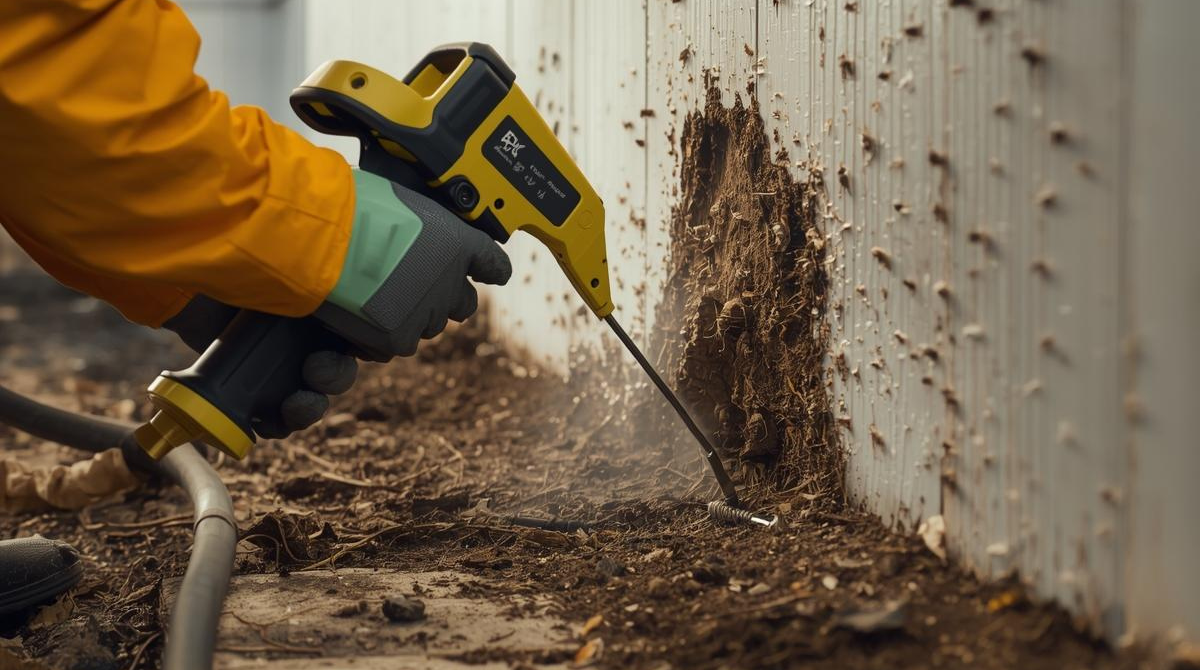
Once an infestation is confirmed, professionals have a whole arsenal of treatments. It's not just a one-size-fits-all approach. Depending on the type of termite and how widespread the problem is, they might use targeted liquid treatments around your home's foundation, install baiting systems that the termites carry back to the colony, or in some cases, recommend fumigation. They'll explain your options, like using specific termiticides, and help you choose the best plan for your situation. They also know how to apply these treatments safely for your family and pets.
Ongoing Monitoring and Protection
Termites aren't just a problem during swarming season; they can be active year-round in Florida. That's why ongoing protection is so important. Professionals can set up regular check-ins and monitoring systems to catch any new activity early. This helps prevent a small problem from turning into a big one again. It's about long-term peace of mind, knowing your home is protected from these persistent pests. They can also advise on preventative measures, like sealing up entry points or managing moisture around your home, to make it less inviting for termites in the future. For reliable pest management, consider professional pest control services.
Termite colonies are complex and can be deeply established. Professional services bring the knowledge and tools needed to effectively address the entire colony, not just the visible swarmers. This thorough approach is vital for preventing future infestations and protecting your home's structural integrity.
What to Do if You Encounter a Termite Swarm in Your Home
Seeing a swarm of termites inside your house can be pretty unsettling. It's a clear sign that these wood-munching pests are not just around your property, but potentially right inside your walls. While the swarm itself isn't directly harmful to you or your pets, it's a strong indicator that a mature colony has been established for some time, and that means potential damage has already occurred.
Immediate Steps to Take
When you spot those winged insects, don't panic. The first thing to do is try to identify them. Are they termites or just flying ants? Termites have straight antennae, a thick waist, and wings of equal size. Flying ants, on the other hand, have bent antennae, a pinched waist, and unequal wings. If you're unsure, it's best to assume they're termites. Try to capture a few specimens for later identification, or at least take clear photos. Also, look for discarded wings, which are a tell-tale sign that a swarm has occurred indoors. These wings are often found near windows, doors, or light sources where the termites were trying to exit or find mates.
- Collect samples or take photos of the insects.
- Note the locations where you see the swarmers or their wings.
- Avoid using over-the-counter bug sprays, as they often only kill the termites you see and don't address the larger colony.
When to Contact a Pest Professional
As soon as you confirm or strongly suspect a termite swarm inside your home, it's time to call in the experts. A professional inspection is the next logical step. They have the tools and knowledge to accurately identify the termite species, assess the extent of any existing damage, and locate the main colony. This isn't something you want to put off; the longer you wait, the more damage termites can do. Think of it like this: a swarm is the termite colony's way of saying they've outgrown their current home and are looking to expand, which means they've likely been established and causing damage for a while.
A termite swarm is a critical warning sign. It means a colony has reached maturity and is ready to reproduce, establishing new nests. This reproductive cycle often happens after several years of the colony existing undetected within or around your home, potentially causing significant structural damage before you even know there's a problem.
How to Prevent Repeat Swarms
Once professionals have assessed the situation and recommended a treatment plan, your focus should shift to prevention. This involves making your home less attractive to termites in the first place. Key steps include managing moisture around your home, as termites need water to survive. Fix leaky pipes and ensure good ventilation. Keep mulch and soil at least a few inches away from your home's foundation, and trim back any vegetation touching the house. Regular inspections are also a good idea, especially if you live in an area prone to termites. Getting a professional termite inspection annually can help catch any issues early, before they become major problems. For ongoing protection, consider professional treatment options that offer continuous defense against these pests.
- Control moisture sources inside and outside your home.
- Maintain a clear buffer zone between your home and landscaping.
- Schedule regular professional termite inspections, especially after a swarm event. contact professionals for a termite inspection to ensure your property is safe.
Spotting a termite swarm in your house can be alarming. These tiny invaders can cause significant damage if left unchecked. If you see a swarm, don't panic! The first step is to identify the insects and then take immediate action to protect your home. For expert help and peace of mind, visit our website to learn more about our termite control services.
Wrapping Up Termite Season in Florida
So, Florida's warm weather means termites are pretty much always around, but they really get going in the spring and summer. Knowing when they swarm can help you spot them early. If you see those winged guys or find piles of their wings, it's a pretty good sign you might have a colony nearby. Don't wait around if you think you have termites; it's best to get a professional to take a look. They can figure out what's going on and help you keep your home safe from these wood-munching pests, no matter the time of year.
Protect Your Florida Home from Termites Today. Termite swarms are more than just a seasonal nuisance, they’re a warning sign. If you’ve seen swarmers, discarded wings, mud tubes, or unexplained wood damage, don’t wait.
Contact Paragon Pest Solutions, Inc. today for a professional termite inspection and customized protection plan. Our experienced team is committed to protecting Florida homes with reliable, effective, and long-lasting termite solutions.
Frequently Asked Questions
When do termites usually swarm in Florida?
In Florida, termites usually swarm in the spring, especially after it rains and the weather is warm and humid. Some types, like Formosan termites, can swarm into the summer months, mainly at dusk or in the evening.
Are termite swarms dangerous to people or pets?
Termite swarms are not dangerous to people or pets. The flying termites don’t bite or sting. However, seeing a swarm means there may be a termite colony nearby, which can damage your home.
How can I tell the difference between termites and flying ants?
Termites have straight bodies, straight antennae, and two pairs of wings that are all the same size. Flying ants have bent antennae, a pinched waist, and their front wings are bigger than their back wings.
What are the first signs of a termite swarm in my house?
The first signs include seeing lots of flying insects near windows or lights, finding piles of discarded wings on windowsills or floors, or spotting mud tubes along your walls or foundation.
Do all types of termites swarm at the same time in Florida?
No, different types of termites swarm at different times. Subterranean termites usually swarm in spring, drywood termites in summer and early fall, and dampwood termites mostly in the summer, especially in wet areas.
What should I do if I see a termite swarm in my home?
If you see a termite swarm inside, don’t panic. Close off the area if you can, collect a few of the insects for identification, and call a pest professional for an inspection as soon as possible.
Can I prevent termite swarms around my house?
You can lower your risk by keeping your home dry, fixing leaks, trimming plants away from your house, and keeping wood and mulch away from your foundation. Regular professional inspections also help catch problems early.
Is professional termite control really necessary?
Yes, professional termite control is important in Florida because termites can cause hidden damage. Experts can spot early signs, treat infestations, and help prevent future problems with ongoing monitoring.