How do landscapers deal with weeds throughout the year?
Dealing with weeds in your yard can feel like a never-ending battle, especially in Florida’s warm, weed-friendly climate. At Paragon Pest Control, Inc., we see firsthand how quickly weeds can take over when they aren’t treated strategically and consistently throughout the year. If weeds are already creeping into your lawn or landscape, Paragon Pest Control can evaluate your property and build a customized, year-round weed control plan.
Key Takeaways
- A year-round yard weed control strategy involves using pre-emergent treatments to stop weeds before they start and post-emergent solutions for weeds that appear. Combining these with good landscaping practices offers the best results.
- Landscapers follow a seasonal calendar for weed control, applying pre-emergents in cooler months and monitoring for spot treatments during warmer periods, with fall being key for broadleaf weed control.
- Different weeds need different approaches. Understanding whether you're dealing with grassy weeds, broadleaf weeds, or persistent types like nutsedge is vital for effective yard weed control.
- Mulch and dense ground covers are great for suppressing weeds by blocking sunlight and outcompeting them. Proper plant spacing also helps shade the soil, reducing weed growth opportunities.
- Professional landscapers focus on precise timing, matching treatments to weed biology and local climate, and keeping detailed records to refine their yard weed control strategies over time.
Implementing a Year-Round Yard Weed Control Strategy
At Paragon, we don’t treat weeds as a one-time problem, we treat them as a year-round process. Effective weed control requires planning, timing, and proactive treatments designed around how weeds grow in your specific environment. Want a proactive plan instead of reactive treatments? Schedule a Paragon weed control consultation today.
The Importance of Proactive Pre-Emergent Treatments
Pre-emergent treatments are one of the most important tools we use at Paragon Pest Control. These treatments stop weeds before they ever break the surface, helping prevent crabgrass, goosegrass, and other invasive weeds common to Florida lawns.
Utilizing Post-Emergent Solutions for Visible Weeds
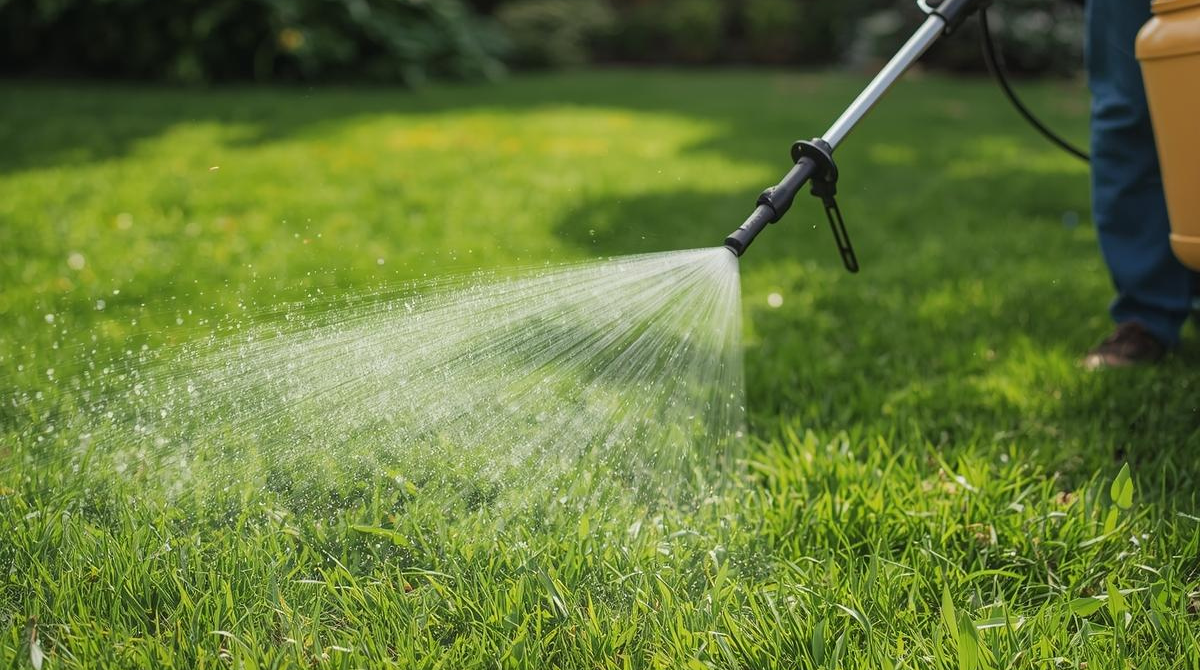
Even with the best prevention, some weeds still appear. That’s why Paragon uses targeted post-emergent treatments, focusing only on problem areas instead of blanket spraying your entire lawn. Seeing active weeds right now? Paragon can safely eliminate them without harming your lawn.
Integrating Best Practices for Comprehensive Control
Paragon’s weed control programs go beyond herbicides. We factor in mowing height, turf density, mulching, soil health, and irrigation habits to reduce weed pressure naturally. Our integrated weed control approach protects your lawn long-term, ask Paragon how it works.
A well-rounded weed management plan doesn't rely on a single method. It's a combination of preventative measures, targeted treatments, and good horticultural practices that work together to keep weeds at bay. This layered approach is what separates a consistently beautiful landscape from one that's always battling an invasion.
Remember, the exact timing can shift based on your specific local climate zones. Paying attention to soil temperatures and weed biology is more important than sticking to a rigid calendar.
Seasonal Yard Weed Control Calendar
At Paragon Pest Control, weed control follows a seasonal schedule, not guesswork. Each season presents different weed threats, and timing treatments correctly makes all the difference.
Early Spring Pre-Emergent Applications
As soon as the soil starts to warm up, usually when it hits around 55 degrees Fahrenheit, it's prime time for the first pre-emergent treatment. This application is key for stopping those pesky summer annual weeds, like crabgrass, before their seeds even get a chance to sprout. It’s like putting up a fence before the unwanted guests arrive. After the initial cleanup, adding a fresh layer of mulch to garden beds also helps a lot in suppressing new weed growth.
Summer Monitoring and Spot Treatments
Summer is when things really get going, and weeds can be aggressive. This is the time for careful observation. Landscapers keep a close eye out for any weeds that managed to break through the pre-emergent barrier. Instead of broad, heavy chemical applications, which can stress lawns in the heat, the focus shifts to spot treatments. This means targeting only the weeds you see with post-emergent sprays. It's more efficient and better for the overall health of your lawn and garden.
Fall Pre-Emergent and Broadleaf Weed Control
Don't pack away the weed control tools just yet! Fall is actually a really important time. Applying a fall pre-emergent treatment helps block winter weeds from taking hold. Plus, many broadleaf weeds are easier to control when they're actively growing in the cooler fall temperatures. It's a great opportunity to clean up any lingering broadleaf invaders before winter sets in.
Winter Maintenance and Planning
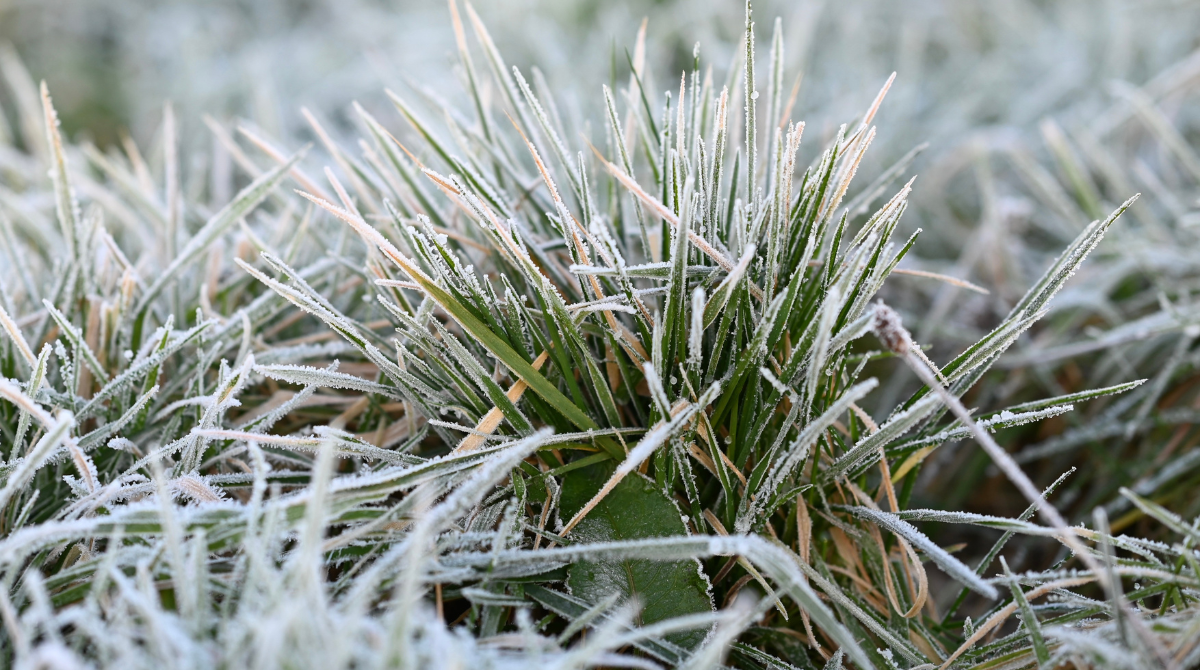
While weed growth slows down significantly in colder climates during winter, the job isn't completely done. It's a good time for light maintenance, like pulling any visible weeds that might still pop up. More importantly, this is the period for planning. Landscapers review what worked and what didn't from the past year and start mapping out the strategy for the upcoming season. This includes considering local climate variations and adjusting application schedules accordingly. For areas with milder winters, year-round vigilance might still be necessary, requiring 4-6 treatments annually, whereas colder regions might only need 2-3. Not sure what your lawn needs this season? Paragon can map out a treatment schedule for your property.
Understanding Different Weed Control Methods
When it comes to keeping yards looking neat, landscapers have a whole toolbox of tricks. It's not just about pulling weeds when you see them; it's a more strategic approach. They really focus on stopping weeds before they even get a chance to sprout, and then dealing with any that manage to pop up.
The Role of Pre-Emergent Herbicides
Think of pre-emergent herbicides as a preventative measure. They create a barrier in the soil that stops weed seeds from germinating. This is often the first line of defense because it's way easier to stop a weed from growing than to get rid of one that's already established. They're particularly effective against annual weeds that sprout from seed each year, like crabgrass. The timing here is pretty important; these treatments usually go down in early spring before soil temperatures get too warm, or sometimes in the fall to get a head start on winter annuals.
- How they work: They disrupt the early growth stages of a germinating seed.
- Best for: Preventing annual weeds from sprouting.
- Timing: Applied before weed seeds germinate, often tied to soil temperature.
Professionals track soil temperatures closely. Applying pre-emergents when the soil hits a specific temperature, usually around 55°F, is key for them to be effective. Too early, and the product might break down before the weeds sprout. Too late, and the weeds have already started growing.
Effectiveness of Post-Emergent Sprays
Post-emergent sprays are for the weeds you can actually see. These are the ones that have already broken through the soil and are growing. Landscapers use these to tackle existing weed problems. There are two main types: selective and non-selective.
- Selective post-emergents: These are designed to kill specific types of weeds, like broadleaf weeds (think dandelions or clover), without harming your lawn grass. They're great for keeping lawns looking good.
- Non-selective post-emergents: These kill pretty much any plant they come into contact with. Professionals use these more carefully, often for areas like driveways, fence lines, or areas where you want to clear everything before replanting.
The effectiveness of post-emergent sprays really depends on the weed being actively growing. Trying to spray a dormant weed is usually a waste of time and product. That's why timing applications during the weed's active growth phases, typically spring and fall, is so important.
Manual Weed Removal Techniques
Sometimes, the old-fashioned way is still the best, or at least a necessary part of the plan. Hand-pulling weeds is a common technique, especially for smaller areas or when dealing with sensitive landscapes where chemicals aren't ideal. It's labor-intensive, for sure, but it offers precision. You can get right down to the root, especially with weeds that have taproots like dandelions. However, it's rarely a complete solution on its own for larger infestations.
- Pros: Very precise, no chemicals involved, good for small areas.
- Cons: Time-consuming, physically demanding, difficult for widespread weeds or deep-rooted perennials.
- Best used: For spot treatment, in vegetable gardens, or around delicate plants.
Leveraging Mulch and Ground Covers for Weed Suppression
Okay, so we've talked about sprays and pulling, but what about just... covering things up? That's where mulch and ground covers really shine. They're not just for looks, you know. A good layer of mulch is like a blanket for your soil, and it does a lot to keep those pesky weeds from even thinking about popping up.
Benefits of Thick Organic Mulch
Think of mulch as a weed's worst nightmare. When you lay down a good, thick layer – we're talking 2 to 3 inches for most organic stuff like bark or wood chips – it blocks out the sunlight. Weed seeds need light to sprout, so if they can't get it, they just stay dormant. Plus, mulch helps keep the soil cooler, which also slows down germination. It's a double whammy for weeds. Professionals often use high-quality, clean mulch from reliable sources because cheap stuff can sometimes have weed seeds already in it, or it breaks down way too fast. Combining a good mulch layer with a pre-emergent treatment is a pro move that can cut down on weeds by a huge amount, sometimes over 95% compared to using just one method.
Creating Weed Barriers with Dense Plantings
Sometimes, the best defense is a good offense, and that's where planting things close together comes in. When you choose ground cover plants that spread nicely, like creeping thyme or certain types of sedum, they create a dense mat. This mat leaves very little room for weeds to find a spot to grow. It's like they're competing for space, and the ground cover usually wins. It's a natural way to keep things tidy without having to do much.
Proper Plant Spacing to Shade Soil
This is related to the dense planting idea, but it's more about planning from the start. When landscapers design a garden, they think about how plants will grow and fill in. If you space shrubs and perennials correctly, they'll eventually grow large enough to shade the soil underneath. This shade does the same thing mulch does: it stops weed seeds from getting the light they need to germinate. So, a well-planned landscape isn't just pretty; it's also much easier to keep weed-free because the plants themselves are doing some of the work.
It's easy to think of mulch and ground covers as just decorative elements, but for landscapers, they're serious tools in the weed control arsenal. They work by physically blocking sunlight and out-competing potential invaders. When used correctly, they significantly reduce the need for chemical treatments and manual labor, making landscapes healthier and more sustainable in the long run.
The Critical Role of Professional Timing and Scheduling
When it comes to keeping yards looking sharp and weed-free, when you do things matters just as much as what you do. Professionals know that weed control isn't a set-it-and-forget-it kind of job. It's more like a carefully choreographed dance with nature, following the seasons and the life cycles of the plants involved.
Tracking Soil Temperatures for Optimal Application
This is a big one. You can't just spray whenever you feel like it and expect great results. For pre-emergent treatments, the magic happens when the soil temperature hits a certain point, usually around 55 degrees Fahrenheit. This is when weed seeds start thinking about sprouting. If you apply the treatment too early, it can break down before the weeds even show up. Apply it too late, and those little green invaders have already gotten a head start. Professionals use tools to monitor soil temps, making sure they hit that sweet spot.
Matching Treatments to Weed Biology
Different weeds have different schedules. Some pop up in the spring, others in the fall. Some are grassy, and some have broad leaves. Professionals understand these differences. They know that broadleaf weeds are often easier to tackle in the cooler months of fall, while summer annuals like crabgrass need attention in early spring. It's all about hitting them when they're most vulnerable, based on their specific life cycle.
Adjusting Schedules for Local Climate Zones
What works in Florida isn't going to be the same as what works in Minnesota. Warm climates might see weed pressure year-round, needing more frequent treatments. Colder regions with harsh winters might get a break. Landscapers have to tweak their plans based on the local weather patterns and how long the growing season lasts. It’s not just about the calendar; it’s about what the environment is actually doing.
The difference between a DIY weed control attempt and a professional job often comes down to timing. Professionals invest in knowing the science behind when to apply treatments, which leads to far better results and fewer weeds overall. It saves time, money, and frustration in the long run.
Identifying and Addressing Specific Weed Challenges
You know, sometimes you look out at your yard and it just seems like a sea of green… but not the good kind of green. It’s the unwanted kind, the kind that pops up everywhere and makes your lawn look messy. Landscapers deal with this all the time, and a big part of their job is figuring out what they’re actually fighting. It’s not all just one big weed problem; there are different types, and they need different approaches.
Differentiating Grassy and Broadleaf Weeds
This is probably the first big step. You’ve got your broadleaf weeds, which, surprise, have broad, flat leaves. Think dandelions, clover, or ground ivy. They’re usually pretty easy to spot because they look so different from your lawn grass. Then you have grassy weeds. These guys look a lot like grass, which can make them tricky to get rid of without harming your actual lawn. Crabgrass and foxtail are common examples. They often have narrow leaves and can grow in clumps or spread out.
Knowing the difference is key because the treatments are different. A spray that kills broadleaf weeds won't do much to grassy weeds, and vice versa. It’s like trying to use a hammer for a screw – it’s just not the right tool for the job.
Understanding Nutsedge and Other Persistent Weeds
Some weeds are just plain stubborn. Nutsedge is a classic example. It’s a grass-like weed, but it has triangular stems and grows faster than most lawn grasses. It spreads through underground tubers, which makes it really hard to get rid of completely. You can pull it, but if you don't get the whole tuber, it'll just grow back. Other perennial weeds, ones that come back year after year from their roots, can also be a real headache. These often require more targeted treatments or repeated efforts.
Dealing with these tough weeds often means looking beyond a simple spray-and-pray approach. It might involve specific herbicides designed for them, or even digging them out by the root, which is a lot more work.
The Need for Accurate Weed Identification
Honestly, this is where a lot of DIY weed control goes wrong. People see a weed, grab a general weed killer, and hope for the best. But if you don't know exactly what you're dealing with, you might be wasting your time and money, or worse, damaging your lawn. For instance, some herbicides are selective, meaning they target specific types of weeds without harming your grass. Others are non-selective and will kill pretty much anything green they touch, including your lawn. Accurate identification ensures you pick the right product for the right weed at the right time.
Here’s a quick rundown of what to look for:
- Broadleaf Weeds: Usually have wide leaves, often with a network of veins. Examples include dandelions, clover, and plantain.
- Grassy Weeds: Look like grass, with narrow leaves. Crabgrass, foxtail, and annual bluegrass fall into this category.
- Sedges: These are grass-like but have distinct triangular stems and often grow in moist areas. Nutsedge is the most common.
If you’re unsure, taking a clear photo and checking with your local extension office or a knowledgeable landscaper is a smart move. They can help you pinpoint the problem weed and suggest the best way to tackle it.
Avoiding Common Yard Weed Control Mistakes
It's easy to fall into some common traps when you're trying to keep your yard looking neat and tidy. We've all been there, right? You see a weed, you pull it, and you think you're done. But then, a few weeks later, it's back, and so are its friends. Landscapers see these mistakes all the time, and knowing what not to do can save you a lot of time, money, and frustration.
The Myth of Hand-Pulling as a Complete Solution
Sure, pulling weeds by hand feels good. It's satisfying to yank out that stubborn dandelion. But here's the thing: often, you don't get the whole root. Leave even a tiny piece behind, and that weed can just regrow. It's like trying to stop a leaky faucet by just wiping up the water; the source of the problem is still there. For persistent weeds, especially those with deep taproots or spreading rhizomes, hand-pulling alone just isn't enough. You might need to follow up with something stronger, or at least be prepared to pull it again and again. It's a lot of work for a temporary fix.
Understanding Herbicide Drift and Plant Damage
Using herbicides can be effective, but it's not as simple as just spraying everywhere. One big issue is herbicide drift. This happens when the spray gets carried by the wind and lands on plants you actually want to keep. Even a little bit can seriously damage or kill sensitive flowers, shrubs, or even your lawn grass. This is why professionals often use special equipment, like shield guards on their sprayers, to make sure the product only hits the target weeds. They also pay close attention to the weather, avoiding spraying on windy days or when it's too hot, which can make the chemicals more likely to drift. Applying the right product, at the right time, and in the right way is key to avoiding accidental damage.
Recognizing the Need for Control Beyond Visible Weeds
It's tempting to only worry about the weeds you can see. If your lawn looks clear and your flower beds are free of obvious invaders, you might think you're in the clear. But many weed seeds are just waiting for the right conditions to sprout. Pre-emergent treatments are designed to stop these seeds before they even become a problem. If you wait until you see weeds, you're already behind. It's like waiting for a cold to get really bad before you take any medicine. A good weed control strategy involves looking ahead and treating the problem before it becomes visible and much harder to manage. This proactive approach is a big part of what separates a consistently nice-looking yard from one that's always fighting a losing battle against weeds. For a healthy lawn, consider proper lawn maintenance.
Here are some common mistakes to watch out for:
- Thinking one treatment is enough: Weeds are persistent. You need a plan that covers different seasons and weed types.
- Using the wrong product: Not all herbicides work on all weeds. Using a broadleaf killer on grassy weeds won't do much.
- Ignoring soil health: Healthy soil grows healthy plants that can outcompete weeds. Compacted or nutrient-poor soil gives weeds an advantage.
- Mowing too short: This stresses your grass, making it weaker and more susceptible to weed invasion.
Sometimes, the simplest solutions aren't the most effective. While it's great to be hands-on with your yard, relying solely on manual labor or guesswork can lead to ongoing weed issues. Professional landscapers bring knowledge and experience to the table, helping you avoid these common pitfalls and achieve better, longer-lasting results.
Professional Approaches to Targeted Weed Treatment
When you've got a weed problem that just won't quit, sometimes you need more than just a general spray. Professional landscapers have a whole arsenal of tricks up their sleeves for dealing with weeds precisely, especially when you've got delicate plants or specific areas to protect. It's all about hitting the target without collateral damage.
Using Shield Guards for Precise Spraying
Ever seen a landscaper carefully spraying around a prize-winning rose bush? They're likely using shield guards. These are basically physical barriers, often made of plastic or metal, that attach to the sprayer nozzle. They block the spray from drifting onto desirable plants. It's a simple idea, but super effective for keeping your flowers and shrubs safe while still taking out those pesky weeds creeping in.
Employing Wick Applicators for Direct Treatment
For really tough weeds or when you absolutely cannot have any spray drift, a wick applicator is the way to go. Think of it like a giant marker pen for weeds. You soak the wick with herbicide, and then you literally wipe it directly onto the weed's leaves. This method is fantastic for spot-treating individual weeds, especially in areas with lots of ground cover or where you have plants very close together. It's a very controlled way to apply weed control tips without affecting anything else.
Selective Herbicide Application in Mixed Plantings
This is where knowing your weeds and your plants really pays off. Professionals use selective herbicides that are designed to kill specific types of weeds while leaving others unharmed. For example, a broadleaf herbicide will take out dandelions and clover but leave your lawn grass alone. Applying these correctly in mixed plantings, like flower beds with various perennials and shrubs, requires a good understanding of what's what. It's about choosing the right chemical for the job and applying it only where it's needed. This saves time, money, and protects the plants you want to keep.
Integrated Pest Management for Sustainable Yard Weed Control
Combining Multiple Control Methods
Integrated Pest Management, or IPM, is basically a fancy way of saying we use a bunch of different tools to keep weeds in check, not just one thing. It's about being smart and using the least aggressive methods first. Think of it like this: why bring out the heavy artillery when a gentle nudge will do? The goal is to create a healthy yard that naturally fights off weeds, making our job easier and the environment happier. This approach is supported by folks like the EPA because it cuts down on chemical use while still keeping landscapes looking good. It helps protect our water, soil, and all the good bugs and critters out there.
Reducing Reliance on Chemical Treatments
We try to avoid just spraying chemicals everywhere. It’s not always the best first step. Instead, we look at what's called cultural controls. This means making sure the grass is healthy and thick. We mow at the right height – never taking off more than a third of the blade at once. Taller grass shades the soil, which makes it harder for weed seeds to even start growing. Watering correctly is also a big part of it; deep, infrequent watering helps grass roots grow strong, while shallow watering just helps weeds thrive. We also pay attention to soil health. Testing the soil tells us if it needs nutrients to help the grass get stronger. Aerating the soil helps roots grow deeper, and fixing drainage issues prevents plants from getting stressed. Stressed plants often leave bare spots, and weeds love to move into those.
Creating Conditions Unfavorable for Weeds
Sometimes, weeds are just really stubborn. When cultural methods aren't enough, we might move to mechanical controls, like pulling weeds by hand, especially in smaller areas or around delicate plants. Chemicals are really the last resort, used only when other methods haven't done the trick. For garden beds, which have all sorts of different plants, we have to be extra careful. You can't just spray a general weed killer around flowers and shrubs without risking damage. Professionals use special techniques and products designed for these ornamental plantings. We might use shield guards on sprayers to make sure the spray only hits the weeds, or even use wick applicators that paint the weed killer directly onto the leaves. It’s all about being precise and knowing the plants.
Landscaping professionals understand that a healthy lawn and garden is the best defense against weeds. By focusing on practices that strengthen desirable plants and improve soil conditions, the need for chemical interventions is significantly reduced over time. This creates a more sustainable and resilient landscape that requires less intensive management.
The Importance of Record Keeping and Property Mapping
Keeping track of what you've done and where you've done it is a big deal when it comes to weed control. It’s not just about knowing if you sprayed something last week; it’s about building a smart, long-term plan. Think of it like keeping a journal for your yard. Detailed records help you see what works and what doesn't, saving you time and money in the long run.
When a professional landscaper visits your property, they're not just showing up to spray. They're often consulting a history of treatments. This includes:
- What products were used: Knowing the specific herbicides or treatments applied is key.
- When applications occurred: Timing is everything in weed control, and past dates help predict future needs.
- Where treatments were focused: Identifying problem zones allows for targeted efforts.
- The results observed: Did the treatment work? Were there any side effects?
This information is gold. It helps refine strategies for the next season, avoiding treatments that were ineffective or caused issues. It also helps identify areas that consistently struggle with certain types of weeds, allowing for more focused attention. For instance, if you know a particular corner of your yard always gets overrun with crabgrass, you can plan a more aggressive pre-emergent strategy there.
Property mapping takes this a step further. It’s not just a drawing; it’s a functional tool. A good map will highlight:
- Persistent weed hot spots: Areas that need extra attention or different approaches.
- Sensitive zones: Places like vegetable gardens, near water features, or areas where pets frequently play, which require careful consideration for any chemical applications.
- Previous treatment areas: Visualizing where treatments have been applied can prevent over-application or missed spots.
Without good records and maps, you're essentially flying blind. You might be repeating mistakes, wasting resources on ineffective methods, or even accidentally harming parts of your landscape. Professionals use this data to make informed decisions, ensuring that every treatment is as effective and efficient as possible, contributing to a healthier landscape overall. This careful approach is part of a larger strategy for year-round weed control.
This systematic approach means that over time, the overall health of your lawn and garden improves, and the need for constant, reactive weed pulling diminishes. It’s about working smarter, not just harder, to keep your yard looking its best.
Safety and Environmental Considerations in Weed Management
Responsible Product Handling and Application
When we talk about weed control, especially using chemicals, safety has to be the top priority. It’s not just about getting rid of weeds; it’s about doing it in a way that doesn’t harm people, pets, or the environment around us. Landscapers really have to know their stuff here. They follow strict rules for mixing and applying any products they use. This means reading every single label before they even open a bottle. Those labels have all the important info: how much to mix, how to apply it, and what safety gear to wear. Think gloves, long sleeves, and eye protection – the works. Products should always be stored in their original containers, far away from kids and animals, and definitely not near food.
Protecting Pets, Children, and Beneficial Insects
We all want our yards to be safe places for our families and pets to play. After a treatment, it’s important to keep everyone off the treated areas until the product has completely dried. This usually takes a few hours, but some post-emergent sprays need a day or two to fully soak into the weeds. Watering treated areas can sometimes help, but you have to follow the product instructions exactly because it can also dilute some treatments. It’s also super important to think about the little critters that help our gardens thrive, like bees and butterflies. Many herbicides can hurt these beneficial insects, so landscapers try to avoid spraying near bird feeders or butterfly gardens. Choosing an herbicide-free approach can be a great option for sensitive areas.
Understanding Ecosystem Impacts of Treatments
Herbicides can sometimes wash off into storm drains or nearby water sources, which isn't good for fish or other aquatic life. That’s why professionals are careful not to apply treatments right before heavy rain and always follow specific distances from streams, ponds, or wells. They also consider how their work fits into the bigger picture of the local ecosystem. Sometimes, the best approach isn't just about killing weeds but about creating a healthier environment where weeds have a harder time growing in the first place. This might involve improving soil health or choosing plants that naturally outcompete weeds. It’s a balancing act, really, making sure the yard looks good without causing unintended problems elsewhere. For businesses, maintaining a pest-free environment is also key to customer trust and regulatory compliance.
Professional landscapers often use specialized equipment and techniques to minimize environmental impact. This can include using shield guards on sprayers to direct the application precisely onto weeds, or employing wick applicators that transfer the herbicide directly to the weed's leaves. These methods reduce the amount of chemical used and prevent it from drifting onto desirable plants or into the surrounding environment. They also understand that different weeds require different treatments, and a one-size-fits-all approach is rarely the most effective or safest option.
When dealing with weeds, it's important to think about safety and the environment. We want to get rid of unwanted plants without harming people, pets, or the planet. This means choosing methods that are effective but also gentle.
Are you looking for safe and eco-friendly ways to manage weeds on your property? Visit our website to learn more about our responsible pest control solutions and how we can help keep your lawn healthy and beautiful.
So, What's the Takeaway?
Weed control doesn’t have to be a constant struggle. With Paragon Pest Control, Inc., you get a professional, seasonally adjusted strategy designed to keep your lawn healthier, cleaner, and more enjoyable all year long. Ready for a weed-free lawn? Contact Paragon Pest Control today to schedule your personalized weed control service.
Frequently Asked Questions
Why can't I just pull weeds by hand?
Pulling weeds by hand can help, but it's usually not enough on its own. Sometimes, pieces of the root can break off and regrow. Plus, there are always more weed seeds waiting to sprout. Professionals use a mix of methods, including pulling, to get the best results.
When is the best time to treat weeds?
Timing is super important! The best time depends on the type of weed killer. 'Pre-emergent' treatments work best before weeds even start growing, usually when the soil reaches about 55 degrees Fahrenheit. 'Post-emergent' treatments work best on weeds that are already growing and are actively growing.
What's the difference between pre-emergent and post-emergent weed killers?
Think of it like this: 'Pre-emergent' weed killers stop weed seeds from sprouting in the first place, like putting up an invisible shield in the soil. 'Post-emergent' weed killers are for weeds you can already see; they kill the plants that have already grown.
How does mulch help with weeds?
Putting down a thick layer of mulch is a great way to help stop weeds. It blocks sunlight from reaching weed seeds in the soil, making it harder for them to grow. It also helps keep the soil cooler. However, mulch works best when used with other weed control methods.
Why do landscapers need to know about soil temperature?
Soil temperature is a key signal for when weed seeds are likely to start growing. Landscapers use this information to know the perfect time to apply 'pre-emergent' weed killers, making sure the treatment is there before the weeds can even begin to sprout.
Are all weed killers the same?
No, not at all! Different weeds need different treatments. Some weed killers are designed for grassy weeds, while others work on broad-leaf weeds like dandelions. Professionals know how to identify specific weeds and choose the right product for the job.
What is Integrated Pest Management (IPM) for weeds?
IPM is a smart strategy that uses many different ways to control weeds, not just chemicals. It's about making your yard a place where weeds don't like to grow in the first place. This means using a mix of methods, reducing the need for strong chemicals, and keeping your landscape healthy overall.
How do professionals avoid damaging my plants when they spray?
Professionals are careful! They might use special guards on their sprayers to aim only at the weeds. Sometimes they use tools that 'paint' the weed killer directly onto the weed's leaves. This helps make sure the spray doesn't accidentally hit your flowers or shrubs.