The Impact of Termite Swarms on Your Home
Seeing a swarm of termites can be alarming and at Paragon Pest Solutions, Inc., we know it’s often the first visible sign of a much bigger issue developing behind your walls. While swarmers don’t cause damage themselves, their appearance signals that an established termite colony may already be active on your property. Acting quickly can prevent serious structural damage and costly repairs. While the swarmers themselves don't eat your house, they're basically the termites' way of saying they've found a good spot and are ready to expand. This means the real damage-causing termites, the workers, are likely already busy doing their thing. Understanding what these swarms mean and what to do next is super important to protect your property from potentially serious termite damage.
Key Takeaways
- Termite swarms are a sign of an active infestation, indicating a mature colony that's looking to reproduce and expand. The swarmers themselves don't cause damage, but they signal that worker termites are likely already present and feeding.
- Spotting winged termites indoors, finding piles of shed wings, or seeing mud tubes are common signs that a termite swarm has occurred or is occurring in your home.
- The real danger of termite swarms lies in the underlying infestation, which can lead to significant structural termite damage over time as termites consume wood, often hidden from view.
- Areas like foundations, wooden beams, and attics are particularly vulnerable to termite damage after a swarm, potentially leading to costly repairs and a decrease in property value.
- If you see signs of a termite swarm, it's vital to act fast by collecting samples for identification and contacting a pest control professional immediately to assess and treat the infestation, preventing further termite damage.
Understanding Termite Swarms and Their Role in Infestations
What Triggers a Termite Swarm?
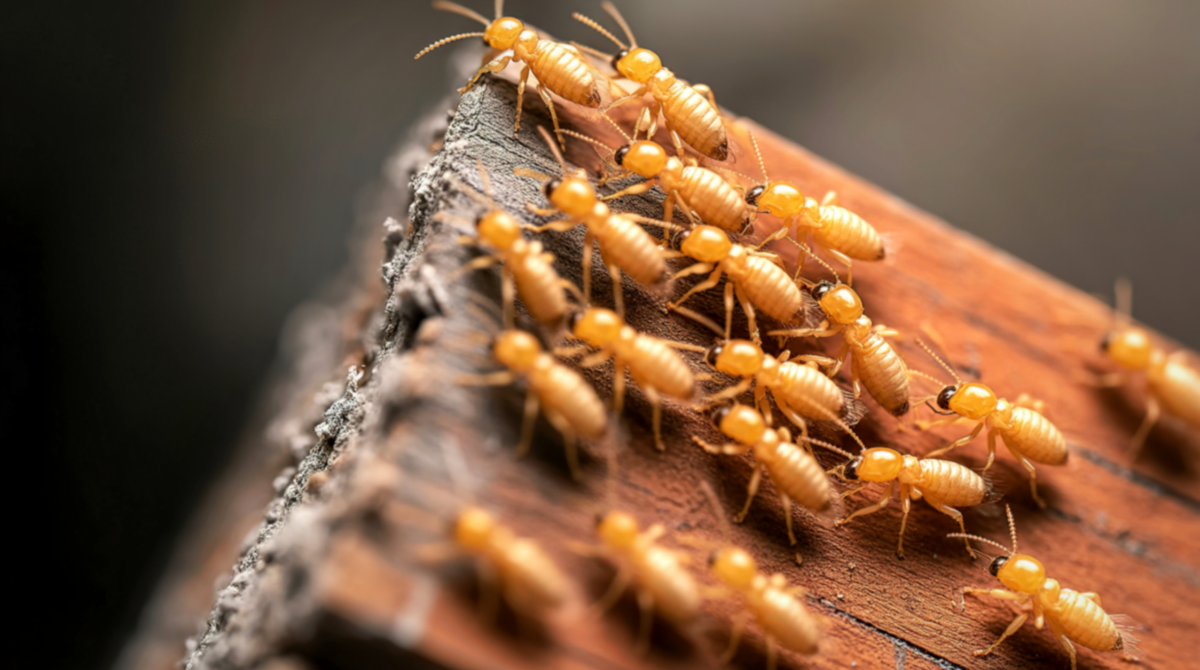
Termite swarms usually show up out of nowhere, often after a run of warm or rainy days. These swarms happen because mature termite colonies send out winged adult termites (called alates) in search of a fresh spot to start a new colony. Inside the colony, conditions get crowded, resources get thin, and when the environment feels just right—think humidity goes up and temperatures spike—termites go on the move. It’s like a mass exodus, but for bugs and with wings. Termite swarms mainly happen in the spring and early summer, but this can depend on where you live and the termite species involved.
- Warm, humid weather triggers the flight
- The colony is mature and resources are tight
- Environmental cues (like recent rain) kickstart the process
If you stumble on a swarm in or near your home, it means a colony is thriving very close by, maybe even under your feet.
Why Swarming Signals a Larger Problem
Seeing a termite swarm is a lot like your car’s check engine light snapping on—something bigger is going on beneath the surface. The swarmers themselves aren’t chewing wood or eating your house, but their appearance means a colony has already been growing and possibly feeding on your home for years. When termites reach swarming age, it signals that their nest is big, healthy, and potentially already doing unseen damage.
Here’s what makes this serious:
- Swarming only happens when a colony is well-established
- There are likely thousands of worker termites still active out of sight
- Structural damage may already be underway
Differences Between Swarmers and Workers
Understanding termite castes helps you get what you’re looking at during a swarm.
Swarmers are those bugs with wings you might see around light fixtures or windows. They’re all about starting new colonies—they don’t stay long and don’t do the real damage. Workers, by contrast, stay out of sight and spend their days quietly gnawing away at the wood in your home.
- Swarmers = reproductive, visible, short-lived
- Workers = destructive, hidden, long-term problem
- Soldiers = look tough, but you’ll rarely see them
It’s tempting to squash the swarmers and call it a day, but the real issue is always what’s happening where you can’t see.
Recognizing the Signs of Termite Swarms in Your Home
Seeing a bunch of tiny, winged insects suddenly appear around your house can be pretty unsettling. These aren't just any bugs; they're likely termite swarmers, and their presence is a big clue that you might have a termite problem brewing. While the swarmers themselves don't eat wood, they're basically the reproductive scouts for a larger, hidden colony that is doing the damage. So, spotting them is your cue to pay closer attention.
Identifying Winged Termites Indoors
The most obvious sign is seeing these winged termites, also called alates, inside your home. They often show up in large numbers, especially around windows, doors, and light sources. This happens because they're trying to get out or are attracted to the light. Unlike ants, which have a pinched waist, termites have a thicker, straighter body shape. Their wings are also a giveaway – they have two pairs, and both pairs are the same size, often looking much larger than the termite's body. If you see a cluster of these flying insects indoors, it's a pretty strong indicator that a colony has established itself nearby, possibly even within your home's structure. This is a situation where you'll want to act fast to get a professional opinion.
Finding Piles of Shedded Wings
After their swarm, termites shed their wings. It's part of their life cycle as they look to mate and start new colonies. So, if you start finding little piles of these discarded wings, especially on windowsills, along baseboards, or on flat surfaces near entry points, that's another red flag. It means swarmers have been present, shed their wings, and are now likely trying to establish themselves. It’s not just a few stray bugs; it’s evidence of reproductive activity. Don't just sweep them up and forget about them; these shed wings are important clues for identifying the problem. You might even want to collect a few to show a pest control specialist. This is a key step in getting a proper termite inspection.
Spotting Mud Tubes and Frass
Subterranean termites, a common type, build mud tubes. These are essentially highways made of soil, saliva, and their own droppings, used to travel between their underground nests and your home's wooden structures. You'll often find these tubes along foundation walls, in crawl spaces, or even on the exterior of your house. They look like small, pencil-sized tunnels of dried mud. If you see these, it's a pretty clear sign that termites are actively foraging for food. Another sign, specific to drywood termites, is their droppings, called frass. Frass looks like tiny, hexagonal pellets and is often found in small piles near where the termites are active. It can resemble sawdust or coffee grounds. Finding either mud tubes or frass means you've got company, and it's time to call in the experts.
The presence of termite swarmers, shed wings, mud tubes, or frass are all critical indicators of an active infestation. Ignoring these signs can lead to significant structural damage over time, as termites work silently within your home's wooden components. Early detection and professional assessment are key to preventing costly repairs and protecting your property's integrity.
Here are some common places to look for these signs:
- Windows and Doors: Check sills and frames for shed wings or swarmers.
- Basements and Crawl Spaces: Look for mud tubes along foundation walls and wooden support beams.
- Attics: Inspect wooden rafters and the underside of the roof for any signs of activity.
- Exterior Walls: Examine the foundation and any wooden structures attached to your home for mud tubes.
How Termite Swarms Lead to Termite Damage
Seeing a swarm of termites can be pretty unsettling, right? It’s like a scene from a nature documentary, but unfortunately, it’s happening right outside or even inside your home. While the swarmers themselves aren't the ones munching on your house, their appearance is a big, flashing sign that a mature colony is nearby, and those workers are busy doing what termites do best: eating wood. The real damage starts long before you see the swarm.
Colony Expansion and Wood Consumption
Think of a termite swarm as the colony's way of saying, "We've outgrown our current digs, and it's time to spread out!" These flying termites are reproductive members looking to start new colonies. Their emergence signals that the original colony has been established and feeding for a while. The workers, the ones you don't usually see, are the tireless architects of destruction. They tunnel through your home's wooden structures, consuming cellulose – the main component of wood. This isn't just a casual nibble; they can eat through beams, floor joists, and even furniture.
The Hidden Nature of Termite Activity
One of the most frustrating things about termites is how sneaky they are. Unlike carpenter ants, which leave behind visible sawdust and create obvious galleries, termites are masters of disguise. They often tunnel deep within the wood, leaving just a thin outer layer intact. This means you could have a significant infestation eating away at your home's structure without even knowing it. It’s like a silent invasion happening behind your walls or under your floors. You might only notice the damage when it's already quite severe, which is why being aware of other signs, like mud tubes or hollow-sounding wood, is so important. If you suspect termites, it's wise to get a professional inspection from a termite specialist quickly.
Connection Between Swarms and Structural Weakening
So, how does all this eating and tunneling connect to actual structural problems? It's a gradual process, but a serious one. As termites consume the wood, they compromise its integrity. Imagine a wooden beam that's supposed to hold up a significant part of your house. If termites have been feasting on it, that beam loses its strength. Over time, this can lead to sagging floors, warped door frames, and even cracks in the foundation. The cumulative effect of countless tiny tunnels and consumed wood fibers can weaken the entire structure, making it less stable and potentially unsafe. It’s a slow burn, but the damage can be extensive and costly to repair, impacting everything from your home's safety to its resale value.
Common Areas at Risk of Termite Damage After Swarms
When termites swarm, it usually means a colony is well-established, and that raises the risk of damage across certain parts of your home. Let’s look at the specific spots where problems most often show up after a termite swarm.
Foundation and Crawl Spaces
Termites are notorious for finding their way up from the soil right through the foundation. It’s one of the most common entry points, and unfortunately, this area is often overlooked until real trouble starts. Subterranean termites use mud tubes to get between the ground and your home’s wooden elements, chewing away at floor supports. Here are frequent risk factors for foundation and crawl space infestations:
- Untreated or unsealed foundation cracks
- High moisture from leaky pipes or poor drainage
- Wood lumber, cardboard, or debris stored near the foundation
Once termites breach the foundation, the damage can spread quickly without obvious warning signs.
Wooden Beams and Floor Joists
If you have wooden beams, joists, or support pillars, these are especially vulnerable after a termite swarm. Swarmers often target these parts because they provide direct access to untreated wood. Here’s what to watch for in these spaces:
- Sagging floors or soft spots when you walk across a room
- Small holes or blistering in the wood’s surface
- Unusual creaking or flexing when weight is applied
Attic and Roofing Elements
Believe it or not, termites work their way up to the attic or roofing structures, especially if water-damaged wood provides an inviting entrance. Look for trouble where roof and attic timber meet vents or where leaks have softened the material. Common issues here include:
- Damaged or stained rafters
- Pellet-like droppings (frass) or piles of shed wings near attic windows
- Warped or blistered paint indicating moisture and tunneling underneath
All in all, the biggest risk after a termite swarm is hidden damage that grows worse over time. Regularly inspecting these sensitive areas is the best way to stop termites before they cause serious structural headaches.
Economic Impact of Termite Damage on Homeowners
Seeing a termite swarm can be a real gut punch, and not just because it's creepy. The financial fallout from these tiny invaders can be pretty significant, hitting homeowners where it hurts – their wallets. It's not just about a few chewed-up baseboards; we're talking about potentially massive repair bills and a hit to your property's value.
Cost of Repairs and Restoration
When termites get comfortable, they don't just nibble; they can seriously compromise the structural integrity of your home. Repairing the damage they cause can get expensive, fast. This isn't usually a quick fix. Depending on how long they've been around and how much damage they've done, you might be looking at anything from replacing damaged wood framing and joists to more extensive structural work. The longer you wait to address an infestation, the higher the repair costs will climb. It's a bit like a leaky faucet; ignore it, and you'll end up with water damage and mold, which are way more costly to fix.
Homeowners Insurance Limitations
Here's a tough pill to swallow: most standard homeowners insurance policies do not cover termite damage. Why? Because it's generally considered preventable or the result of poor maintenance. This means that the billions of dollars in damage termites cause annually often fall directly onto the homeowner's shoulders. You might have insurance for sudden, accidental damage, but termites are usually seen as a gradual problem that should have been managed. It's always a good idea to check your specific policy, but don't count on it to cover termite repairs.
Effects on Property Value
Termite damage, even after it's repaired, can cast a shadow over your home's marketability. If you're thinking about selling, a history of termite infestation or visible signs of past damage can be a major red flag for potential buyers. They might worry about hidden damage that wasn't found or the possibility of the termites returning. This can lead to:
- Lower offers from buyers.
- Buyers demanding that all repairs be completed to their satisfaction before closing.
- A longer time on the market as buyers are hesitant.
- The need for specialized inspections and disclosures, which can add complexity to the sales process.
The unseen nature of termite activity means that damage can be far more extensive than it initially appears. By the time you see swarmers or shed wings, the colony has likely been established for some time, and the structural impact could already be considerable. This hidden threat makes early detection and professional intervention incredibly important for minimizing financial loss.
The Hidden Threat: Detecting Subtle Termite Damage
Termites are often called "silent destroyers" for a good reason. They can be munching away inside your walls or under your floors for a long time before you even notice anything's wrong. It's not like they leave big, obvious holes everywhere right away. The damage is usually hidden, making it tricky to spot until it's pretty advanced. Catching these subtle signs early is key to preventing major structural problems and costly repairs.
Hollow-Sounding Wood
One of the first clues that termites might be at work is when wood starts to sound hollow. Termites eat wood from the inside out, leaving just a thin outer layer. If you tap on a wooden beam, a wall stud, or even a piece of furniture and it sounds dull or hollow instead of solid, that's a red flag. This is especially true for areas like floor joists or wall supports that might not be easily visible. You might also notice wood that looks okay on the surface but has long grooves or a honeycomb pattern inside if you were to break it open. It's like they're hollowing out the inside, leaving just enough to hold its shape for a while.
Blistering Paint and Warped Surfaces
Sometimes, termite activity can affect the surfaces of your home. You might see paint that looks like it's blistering or bubbling, especially near wooden trim or baseboards. This can happen because the termites are tunneling through the wood just beneath the paint, creating moisture or uneven surfaces. Similarly, doors and windows might start to stick or become difficult to open and close. This warping isn't always due to humidity; it can be a sign that the wooden frames are being compromised from the inside. It's easy to dismiss these issues as normal wear and tear, but when they appear alongside other subtle signs, it's worth investigating further. Keep an eye out for any unusual changes in your home's surfaces.
Delay Between Infestation and Visible Damage
It's important to understand that there's often a significant time lag between when termites first infest your home and when you actually see obvious signs of damage. A termite colony can take years to mature and cause widespread destruction. During this time, they are working diligently behind the scenes, tunneling through structural wood, insulation, and even paper products. The swarmers you might see are just the reproductive members, signaling that a mature colony exists nearby. The workers, the ones actually doing the damage, are usually hidden away. This is why regular professional inspections are so important, even if you don't see any obvious problems. They can detect activity that you'd never notice on your own. For definitive confirmation, schedule a professional termite inspection.
Here's a quick rundown of subtle signs to watch for:
- Hollow-sounding wood: Tap on wooden structures and listen for a dull sound.
- Warped surfaces: Doors and windows that stick, or paint that blisters.
- Mud tubes: Small, pencil-sized tunnels made of mud, often found along foundations or walls.
- Discarded wings: Small, translucent wings found near windows or light sources, especially after a swarm.
The real danger with termites lies in their ability to remain undetected for extended periods. They are masters of camouflage within the structure of your home, slowly weakening it from the inside. By the time visible damage is apparent, the infestation may be extensive and have already compromised the structural integrity of your house. This hidden nature makes proactive detection and regular professional checks absolutely vital for long-term home protection.
Mitigating Risks After Spotting a Termite Swarm
Seeing a swarm of termites can be pretty unsettling, I know. It's like a sudden, unwelcome announcement that something might be going on behind the scenes in your house. But don't freak out just yet. The swarmers themselves aren't the ones munching on your walls; they're just the reproductive guys looking to start new families. The real issue is that their presence means a mature colony is likely already established and has been doing some damage. Acting fast is key to minimizing potential problems.
Immediate Steps to Take When Swarmers Appear
When you first notice those winged termites, take a breath and then get to work. First off, try not to clean up all the evidence right away. Those little guys and their shed wings are actually helpful clues for the pros. It's like leaving breadcrumbs for the termite detective.
Here’s a quick rundown of what to do:
- Don't go on a cleaning spree: Leave the dead swarmers and shed wings where they are for now. They help identify the termite species.
- Collect samples: Grab a few of the swarmers or wings and pop them into a clean, dry container. Label it with the date and where you found them.
- Document everything: Snap some photos or take short videos of the swarmers, any mud tubes you see, or any damage that looks suspicious. This visual evidence is super useful.
- Call a professional: Seriously, don't delay. Get in touch with a termite specialist as soon as you can. They can figure out what's going on and stop it before it gets worse.
The swarmers are a sign, not the main event. Their appearance means a colony has likely been around for a while, potentially causing damage that you can't see yet. Quick action can prevent much larger, more expensive issues down the road.
Collecting Samples for Identification
Getting the right identification is a big deal. Different types of termites need different treatment plans, and knowing which one you're dealing with helps the pest control company be more effective. That container you collected? It's your first piece of evidence. Make sure it's sealed well so nothing escapes. When you call the exterminator, have this sample ready for them. It saves them time and helps them get a jump on the problem. You can usually find these swarmers near windows and doors, or anywhere there's a light source, as they're attracted to it.
Contacting a Termite Specialist Quickly
Once you've gathered your evidence, it's time to make that call. Don't wait a few days or weeks. The sooner a professional can inspect your home, the better. They'll be able to tell you if you have an infestation, where it's located, and what the best course of action is. Think of it like going to the doctor when you feel sick – early diagnosis usually means a simpler fix. Many companies offer free initial inspections, which is a great way to get a handle on the situation without immediate cost. Protecting your home from these pests is important, and getting professional help is the most reliable way to do it. You can find local pest control services that specialize in termite issues to get an assessment of your property's condition.
Preventive Measures to Protect Against Future Termite Damage
So, you've dealt with a termite swarm, or maybe you're just trying to be proactive. That's smart. Termites can be sneaky, and the best defense is often a good offense. Let's talk about how to make your home less appealing to these wood-munching pests.
Eliminating Moisture Sources
Termites absolutely love damp environments. It's like a five-star resort for them. So, the first thing you want to do is make your home as dry as possible. This means fixing any leaky pipes or faucets right away. Seriously, that slow drip under the sink? It's a termite buffet waiting to happen. Also, check your gutters and downspouts to make sure water is directed away from your foundation. If you have a basement or crawl space that tends to get humid, consider using a dehumidifier. Keeping things dry is a big step in keeping termites away.
Sealing Entry Points and Cracks
Think of your home's foundation and walls like a fortress. Termites can find the tiniest crack or crevice to sneak through. We're talking about openings that might be smaller than a dime. It's a good idea to regularly inspect the exterior of your home for any gaps, especially where utilities enter the house. Seal these up with caulk or appropriate sealant. This creates a physical barrier that makes it much harder for termites to get inside and start building their colonies.
Removing Wood Debris and Mulch
This one is pretty straightforward. Termites eat wood, right? So, piles of firewood, old lumber, or even just general wood debris lying around your yard can act like a welcome mat for termites. Keep these materials stored away from your house, ideally elevated off the ground. The same goes for mulch. While mulch is great for gardens, piling it too high against your foundation can give termites a direct bridge to your home's wooden structure. Try to keep mulch at least a few inches away from the siding.
Here's a quick rundown of what to focus on:
- Fix leaks: Plumbing, roofs, anywhere water might be pooling.
- Improve drainage: Ensure water flows away from your foundation.
- Manage mulch: Keep it a few inches from the house and not too deep.
- Store wood properly: Away from the house and off the ground.
Making your home less inviting to termites isn't just about preventing damage; it's about protecting your investment and your peace of mind. Small, consistent efforts can make a big difference over time.
Professional Inspection and Treatment for Termite Infestations
So, you've seen some swarmers, or maybe you're just worried about what might be lurking in your walls. It's totally understandable to feel a bit freaked out. When it comes to termites, trying to handle it yourself can sometimes make things worse, or at least, not fully solve the problem. That's where the pros come in.
The Importance of Regular Inspections
Think of regular inspections like a yearly check-up for your house. A trained eye can spot signs of termites that you'd probably miss. They know what to look for – tiny mud tubes, subtle wood damage, or even just the right conditions that termites love. Catching an infestation early is a big deal. It means less damage, fewer costly repairs, and a lot less stress down the line. It’s really about peace of mind, knowing your home is being looked after.
Treatment Options: Baiting and Chemical Barriers
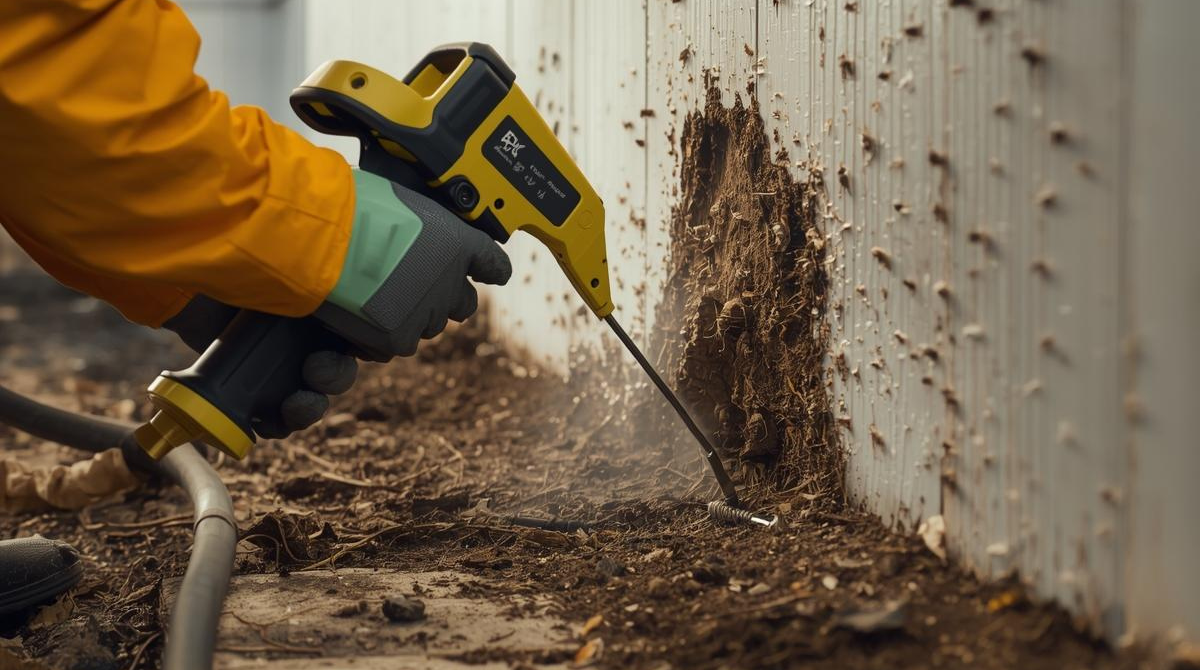
When it comes to getting rid of termites, there are a couple of main approaches professionals use. One is using baiting systems. These are strategically placed stations around your home. The termites find the bait, eat it, and then take it back to their colony, which helps to eliminate them from the inside out. It’s a pretty clever method. Then there are chemical barriers. This involves applying a liquid termiticide around the foundation of your home. It creates a protective zone that termites can't cross without being exposed. Both methods have their pros and cons, and a good pest control company will explain which one is best suited for your specific situation. They'll consider the type of termites, the extent of the infestation, and your home's structure.
Choosing a Licensed Pest Management Provider
Picking the right company is key. You want someone licensed, insured, and experienced. Don't be afraid to ask questions. How long have they been in business? What kind of treatments do they use? Do they offer guarantees? A reputable provider will be happy to answer everything and explain their process clearly. They should also be able to discuss integrated pest management (IPM) approaches, which focus on long-term prevention and minimizing environmental impact. This might involve a combination of monitoring, biological controls, and careful management of your home's environment, similar to how landscapers manage weeds year-round. Getting a professional opinion is the best way to tackle a termite problem head-on and protect your home's value and integrity.
Comparing Termite Damage With Other Wood-Destroying Insects
When you start worrying about damage to the wood in your home, termites are often the first thing that comes to mind. But they're not the only culprits; carpenter ants, powderpost beetles, and other pests can all cause trouble. Knowing how termite damage stacks up against damage from other wood-destroying insects can help you spot problems faster and decide on the right solution.
Termite Tunnels Versus Carpenter Ant Galleries
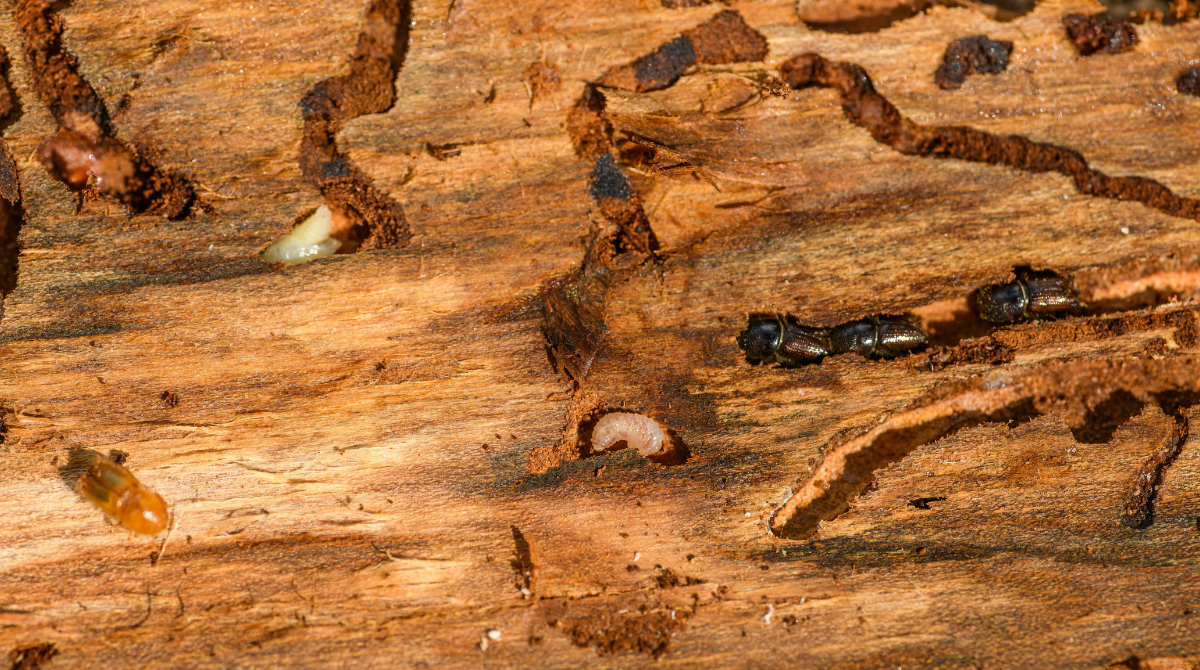
- Termites chew right through wood, eating the cellulose and leaving behind mud-filled, maze-like tunnels. These tunnels are often hidden and can hollow out support beams before you even know there's a problem.
- Carpenter ants don’t eat wood—they cut out smooth, clean tunnels to nest inside it, often leaving shredded wood debris behind.
- Powderpost beetles bore tiny, round holes and push fine sawdust (frass) out, making their activity a bit more obvious.
Physical Signs Unique to Termites
- Mud tubes running up foundation walls or in crawl spaces (very typical for subterranean termites)
- Hollow-sounding wood—even if the surface looks normal
- Discarded wings near windowsills
Termites can go undetected for a long time because they work quietly out of sight, sometimes inside the wood or under foundation slabs.
Why Termite Damage Is More Severe
- Termites eat wood nonstop, 24/7, and colonies can number in the hundreds of thousands.
- Unlike ants or beetles, termites usually attack structural wood first, meaning you could have hidden damage in the supports for floors and walls.
- Repairs for undetected termite issues are often higher because the problem is more widespread inside the structure before you notice a thing.
The most frustrating issue is that termite damage gets really bad before you spot any outward signs—by then, a lot of important wood might already be weakened.
Remember: If you see hollow or crumbling wood with dirt-packed tunnels, it's probably termites, not ants or beetles. Act fast to save yourself bigger headaches down the line.
Environmental Considerations in Termite Control Choices
When you're dealing with termites, it's not just about getting rid of the pests; it's also about how you do it. Traditional termite treatments often involve chemicals that can be pretty harsh. Thinking about the environment means looking at ways to control termites that are safer for the planet, your family, and your pets.
Impact of Chemical Treatments on Ecosystems
Many standard termite control methods use pesticides. While they can be effective against termites, these chemicals don't always stay put. They can sometimes wash into our waterways, affecting fish and other aquatic life. Plus, these chemicals can harm beneficial insects, like bees, which are super important for our gardens and food supply. Some chemicals also stick around in the soil for a long time, which isn't great for the local environment.
Safer Alternatives for Pest Management
Luckily, there are other ways to handle termites that are much kinder to the environment. One popular approach is using Integrated Pest Management (IPM). This is basically a smart strategy that combines different methods to keep termites in check with minimal environmental impact. Think about things like:
- Monitoring: Regularly checking your home for any signs of termites. Catching them early makes a big difference.
- Physical Barriers: Installing things like sand or special mesh around your foundation can stop termites from getting in.
- Bait Systems: These use a slow-acting poison that termites carry back to their colony, effectively dealing with the whole group. Termite bait systems offer robust long-term protection.
- Natural Predators: Sometimes, introducing natural enemies of termites can help keep their numbers down.
Some natural oils, like neem or orange oil, can also be used directly on infested areas. These are less harmful than strong chemical sprays.
Long-Term Effects of Pesticide Use
Using chemicals repeatedly can lead to problems down the road. Sometimes, pests can even become resistant to certain pesticides, making them less effective over time. This means you might need stronger or more frequent treatments, which just adds to the environmental burden. Opting for non-toxic methods often provides a more sustainable solution for keeping your home termite-free without causing ongoing harm to the surrounding ecosystem. It's about finding a balance that protects your home and the natural world around it.
Effects of Termite Damage on Home Resale and Marketability
Finding out your home has termites is never fun, and unfortunately, the problems don't always end once the pests are gone. If you're thinking about selling your place, any sign of termite damage can really throw a wrench in the works. It's not just about the repairs; it's about how potential buyers see your property.
Required Disclosures for Infestation History
When you sell a home, you usually have to fill out a disclosure form. This is where you let buyers know about any major issues the house has had. If your home has a history of termite infestations, even if it's been treated, you generally have to disclose it. This transparency is legally required in most places and builds trust with the buyer. Not disclosing it can lead to serious legal trouble down the road if the buyer finds out later.
Negotiating Repairs During the Sale
Once a buyer knows about past termite damage, it often becomes a point of negotiation. They might ask you to get all the repairs done before closing, or they might want a credit to cover the cost of repairs themselves. Sometimes, they might even ask for a lower sale price. It really depends on how extensive the damage was and how confident the buyer feels about the repairs.
How Unrepaired Damage Impacts Buyer Interest
Honestly, visible, unrepaired termite damage is a huge red flag for buyers. It makes them worry about the structural integrity of the house and the potential for future problems. They might think, "If they didn't fix this, what else is wrong?" This can lead to:
- A significant drop in buyer interest.
- Offers coming in much lower than you expected.
- Buyers walking away from the deal altogether.
It's often worth it to get any damage professionally repaired before listing your home. It shows you've taken good care of the property and can make the selling process much smoother. Plus, it helps ensure you get a fair price for your home. Remember, termites are destructive, and buyers know that.
Dealing with termite damage before putting your house on the market can save you a lot of headaches. It not only addresses the immediate structural concerns but also reassures potential buyers that the home is well-maintained and free from hidden threats. This proactive approach can significantly improve your home's marketability and your negotiating position.
Termite damage can really hurt your home's value and make it hard to sell. Buyers often get scared away by signs of these pests, leading to lower offers or even no sale at all. Protecting your investment means dealing with termites quickly and effectively. Don't let these tiny invaders devalue your property. Visit our website today to learn how we can help you safeguard your home and its market appeal.
Wrapping Up: What to Do Next
So, seeing a termite swarm can be pretty unsettling, right? It's not just a few bugs flying around; it's a big sign that there might be a whole colony munching away at your house. While the swarmers themselves don't do the damage, the fact that they're there means the real trouble is likely hidden. Ignoring it could lead to some serious, and expensive, repairs down the road. The best move is to not wait around. Get a professional to check things out, figure out what's going on, and get it sorted. Protect Your Home with Paragon Pest Solutions, Inc. Termite swarms are more than a seasonal nuisance, they’re a warning sign of potential structural damage. Don’t wait until repairs become costly and overwhelming.
Schedule a
professional termite inspection with Paragon Pest Solutions, Inc. today.
Our experienced technicians provide thorough inspections, targeted treatment solutions, and long-term protection plans to safeguard your home and investment.
Call Paragon Pest Solutions, Inc. now and take the first step toward a termite-free property.
Frequently Asked Questions
What exactly is a termite swarm?
A termite swarm happens when a mature termite colony sends out flying termites, called swarmers, to find new places to start new colonies. Think of it like a group of termites leaving home to build their own families. These swarmers have wings and are often seen flying around lights or windows.
Are termite swarms dangerous to my house?
The flying termites themselves don't actually eat wood or cause damage. The real danger is that their appearance means there's a big termite colony nearby that has likely been eating away at your home's wood for a while. It's a big warning sign that you might have an infestation.
How can I tell if I'm seeing a termite swarm?
Look for groups of winged insects, often dark-colored, flying around lights, windows, or doors. Another big clue is finding piles of discarded wings, usually near windowsills or on the floor, after the swarmers have shed them.
What should I do if I see termite swarmers?
Don't rush to clean up all the swarmers or wings right away! It's helpful for experts to see them to figure out what kind of termites they are. The most important thing is to call a termite specialist as soon as possible for an inspection.
How do termites damage a house?
Termites eat the wood in your house, which is their food source. They tunnel through beams, walls, and floors, weakening the structure. This damage is often hidden inside the wood, so you might not see it until it's pretty bad.
What are the signs of termite damage besides swarmers?
Besides seeing swarmers or their shed wings, watch out for mud tubes on your walls or foundation (these are like highways for termites), wood that sounds hollow when tapped, or paint that is bubbling or peeling.
Can termite damage be fixed?
Yes, termite damage can usually be fixed. A professional will first get rid of the termites and then repair or replace the damaged wood. It's important to fix it quickly before the damage gets worse and costs more to repair.
How can I stop termites from coming back?
To help prevent termites, fix any leaky pipes or faucets to reduce moisture, keep woodpiles away from your house, seal up any cracks or holes in your foundation, and make sure mulch isn't piled too high against your home. Regular check-ups from a pest control expert are also a good idea.