What to do About a Freeze Damaged Lawn
Winter’s finally over, and if you’re stepping outside to a lawn that looks patchy, yellow, or worn down, you’re not alone. At Paragon Pest Solutions, Inc., we often see lawns struggle after sudden cold snaps and heavy snow." That sudden cold snap or that heavy snow might have done more damage than you thought. Dealing with lawn freeze damage can be a real headache, but don't worry, it's usually not the end of the world for your grass. We'll walk through what you can do to fix it up and get it looking green again.
Key Takeaways
- Identify signs of lawn freeze damage like brown patches and matted grass by carefully inspecting your lawn.
- Clear away debris and snow promptly to allow sunlight and air to reach the grass and soil.
- Revive your lawn by giving it a trim, aerating compacted soil, and overseeding thin areas.
- Nourish your grass with the right fertilizer to encourage new growth and strengthen roots.
- Prevent future lawn freeze damage by watering before cold nights and maintaining good winter lawn care practices.
Understanding Lawn Freeze Damage
Winter can be a rough time for your yard. If you step outside and spot your grass looking more yellow than green, or it sounds crunchy under your feet, you’re not alone. Most everyone who keeps a lawn in a cold climate deals with freeze damage at some point, and knowing what’s what is the first step to getting things healthy again.
Common Signs of Winter Lawn Damage
- Patches of brown or yellow grass
- Matted or stuck-together areas where grass looks flattened
- Weak, brittle grass blades that break off easily
- Soil that feels hard or compacted when you walk across it
- Bare areas where the grass has simply died off
If your lawn is showing any of these, it’s likely taking a hit from winter weather. Sometimes it’s tricky to tell if you’re looking at regular freeze damage or something like a fungal issue—frost usually leaves grass straw-colored, while fungal lawn problems pop up in different hues, like orange or even purple.
How Frost Damages Turf
Grass isn’t built for extreme cold, at least not most varieties. When frost sticks around, it can hurt your turf in a few ways:
- Lower soil temperatures, which slow or halt grass growth
- Water in grass blades freezes and expands, rupturing cells and making them weak
- Sunlight-blocking snow can starve grass of light and air
- Snow piles or mats can cause suffocation and mold to set in
What Frost Damage Looks Like On Grass
When you see these on your lawn, freeze damage is likely:
- A thin white or silvery coating that lingers after cold nights
- Patches turning straw, yellow, or brown—these stand out from the usual green blanket
- Grass that bends, snaps, or feels limp when touched
- Slowed or stunted growth compared to other years
If the weather’s been particularly harsh, you might also spot whole sections of dead or thinned grass. With spring around the corner, don’t panic—most lawns bounce back once conditions improve and the basics of lawn care return.
Pay attention to soil and blade color changes—these are usually your lawn’s way of asking for some extra attention once winter breaks.
Assessing Your Lawn's Condition
Assessing how your lawn survived the freeze is the first step before you start hauling out the seed or dropping fertilizer. You want to figure out what actually happened to your yard over winter so you don’t waste time or money on the wrong fix. Sometimes the grass isn’t as bad as it looks at first.
Walk Your Lawn
Take a slow walk around your yard, looking closely at the grass, soil, and even weeds. You’re looking for:
- Bare patches where all you see is dirt
- Matted or oddly colored grass (could mean dead spots or leftover snow mold)
- Mushy, soggy areas
- Spots where the soil feels hard, almost like concrete
Jot down where these spots are—mentally or even on your phone. This bit is key because it’ll show you what needs the most attention.
Walking the yard doesn’t just help you spot problems; it helps you catch small issues before they balloon into bigger headaches later in the spring.
Check for Fungal Growth
Winter mixes water, warmth, and darkness under snow piles—perfect for fungus. Look for:
- White, pink, or gray fuzzy stuff (that’s usually snow mold)
- Areas of grass that smell weird or feel slimy
- Circles or clusters of dead, matted leaves
If you notice a lot of fungal growth, you’ll need to address that first before worrying about regrowing grass. Some simple raking or a fungicide can do the trick, depending on the problem.
Evaluate Soil Compaction and Thatch
Long stretches of snow and ice can turn your soil into a hard-packed mess, stopping air and water from reaching grass roots. To test for compaction,
- Take a screwdriver or a garden fork.
- Push it into the soil in several places.
- If it’s tough to get in, your soil is probably compacted and needs aerating.
Thatch is that dense layer of dead stuff just above the soil. If it’s thicker than about half an inch, it’s time to dethatch because water and nutrients can’t get through.
Taking this time to look at your lawn honestly gives you a game plan, not just guesswork. Even if things look rough, most lawns bounce back with a little attention in the right places.
Preparing Your Lawn for Recovery
After a long winter, your lawn might look a bit sad and neglected. Snow, ice, and freezing temperatures can really do a number on the grass. But don't worry, with a few steps, you can help it bounce back. It's all about giving it a good clean-up and making sure it has what it needs to grow again.
Rake and Remove Debris
First things first, you've got to get rid of all that winter gunk. Leaves, twigs, and whatever else has piled up on your lawn needs to go. This stuff blocks sunlight and air, which new grass needs to grow. Plus, it can be a cozy spot for mold and bugs. Raking also helps lift up any grass that's gotten matted down. Just be gentle; the grass is still pretty fragile this time of year. A good raking can really wake up the lawn and get things moving.
Remove Snow Piles Promptly
If you had snow piled up from shoveling or plowing, try to get rid of those piles as soon as you can. Leaving them there means the grass underneath stays buried and wet for longer. This can lead to fungal issues like snow mold, and it just delays everything. Melting them faster helps the ground dry out and lets the sunlight reach the grass sooner. You can even break up larger piles to help them melt quicker.
Address Water Pooling Issues
Sometimes, after the snow melts, you'll notice puddles that just don't seem to go away. This is a sign that your soil might be compacted or that drainage isn't great. Standing water is bad news for grass roots; it can drown them and encourage diseases. If you see persistent puddles, it's a good idea to look into why they're happening. Sometimes, just loosening the soil surface can help, but if it's a bigger problem, you might need to think about improving lawn drainage down the line. For now, try to gently break up the surface of the soil in those wet spots to help the water move away.
Reviving Damaged Grass
After a tough freeze, getting your lawn ready for spring takes a couple of hands-on steps. The goal is to help your grass recover from shock and promote new, healthy growth. It’s not a quick fix—expect to spend some time out in the yard, but the results are worth it.
Give Your Grass a Trim
Start things off with a fresh cut. Drop your mower about two settings lower than usual—just this once—to remove the browned, frost-bitten blades at the surface. This exposes the living crown and lets sunlight reach healthy grass beneath. For most lawns, bag the clippings if you notice heavy piles or dead stuff; otherwise, mulching small amounts won't hurt. When in doubt, it’s better to remove anything that seems matted or thick. This simple step helps spark regrowth and clears a path for the rest of your recovery efforts.
Loosen Compacted Soil
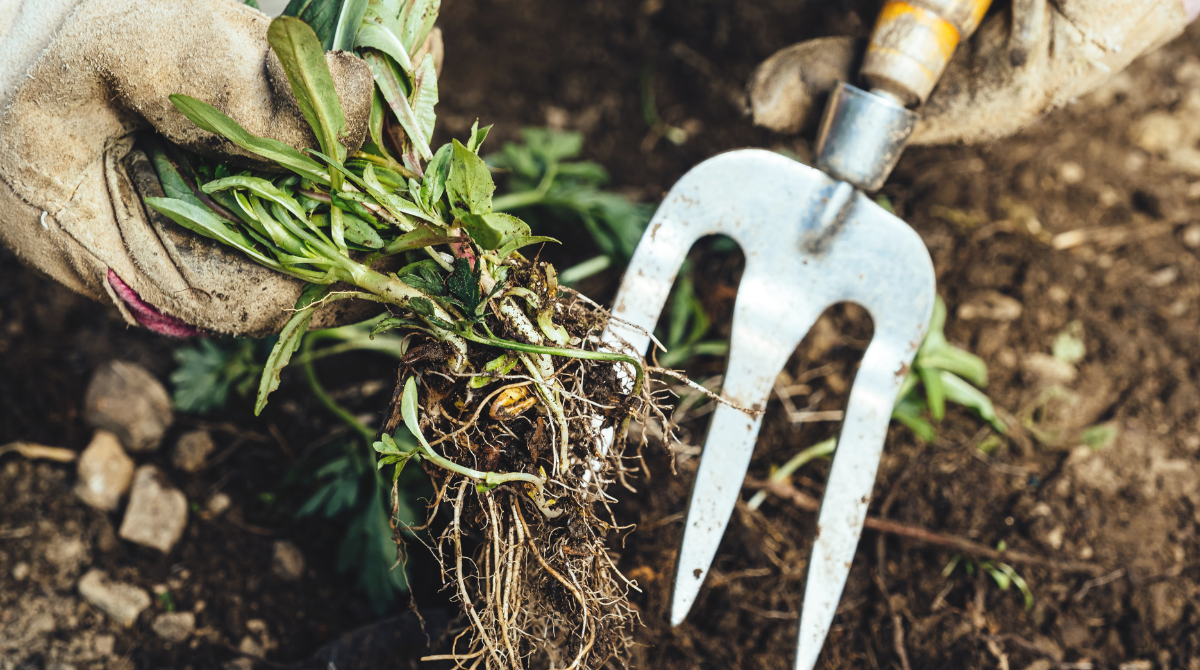
Frozen ground can leave soil feeling like concrete. Run a sturdy rake over areas where grass looks flat or patchy. If your rake won’t budge the dirt, use a garden fork and poke some holes every few inches. This makes it easier for air, water, and nutrients to reach the roots. You’ll know your soil needs loosening if:
- Water pools after rainfall
- It feels rock-hard or dense
- Grass looks yellow or has stunted patches
Aerate for Better Circulation
For lawns that see a lot of foot traffic—or those hit hardest by freeze—consider renting an aerator. Aeration punches small holes through the turf down into the dirt, letting the roots breathe. It also encourages root growth and prevents pooling.
Lawns that have been iced over often recover much better if you take the time to open up the soil and reduce compaction, even if it feels like extra work at the start.
If you’re unsure where to start or want a detailed checklist, check out a practical step-by-step on revitalizing your lawn after a freeze. Tackling freeze damage early gives your grass a fighting chance this spring.
Repairing Bare and Thinning Areas
When your lawn takes a hit from freezing temperatures, you’ll often end up with spots where grass has thinned out or disappeared altogether. Instead of giving up on these bare areas, you can bring them back with some practical steps. Healthy new grass can fill in, but it takes the right approach and a little patience.
Reseeding and Overseeding Techniques
Reseeding (for smaller patches) and overseeding (for general thin areas) both help boost lawn density and crowd out weeds. Here’s how you can handle each method at home:
- Rake away dead grass, leaves, and any debris sitting on the soil.
- Loosen the top layer of soil a bit. Just rough it up with a rake so the seeds have a better shot at taking root.
- Sprinkle your chosen grass seed over the patch. Go heavier on bare areas and lighter in spots where some grass remains.
- Lightly press seeds down so they’re in good contact with soil, but don’t bury them too deep.
- Keep the area evenly moist until you see new grass sprouting up.
- If you want a one-stop solution for small patches, try a product like EZ Seed Patch & Repair, which mixes seed, fertilizer, and mulch in a single step.
Grass seed selection matters too—you’ll want something that suits your climate and sunlight conditions.
Applying Topsoil to Bare Patches
Sometimes, after you’ve scattered seeds, you’ll need to protect them and keep them in place. Topsoil (or a thin layer of compost) helps here—it holds moisture and shields the grass seed from washing away or getting eaten by birds.
When to Lay New Sod
If the freeze damage left you with sections where nothing is growing—basically soil with zero living grass—it’s time to think about laying sod. Sod is best when:
- The area is too large for reseeding to fill out quickly.
- You need results fast (like, before a backyard barbecue).
- The underlying soil is healthy and weed-free.
To lay sod, clear out debris, smooth the soil, and water it before unrolling your fresh turf. Press sod pieces snugly together, then keep the area moist while roots get established.
Repairing bare and thin spots isn’t about making your lawn perfect overnight—it’s a slow fix. With reseeding, topsoil, and sod when it’s called for, you can get your yard back to green without too much stress.
Nourishing Your Lawn Post-Freeze
After a rough winter, your lawn is probably looking a bit sad and worn out. It’s been through a lot, and now it needs some serious TLC to bounce back. Giving it the right food at the right time is key to helping it recover and get ready for the warmer months. Think of it like giving your lawn a healthy meal after a long fast.
Choosing the Right Fertilizer
Not all fertilizers are created equal, especially when your lawn is recovering from freeze damage. You want something that's going to help rebuild its strength. A fertilizer with a good amount of potassium is often recommended because it helps plant cells stay balanced and can aid in recovery. Look for a balanced N-P-K ratio, but pay attention to the middle number (phosphorus) and the last number (potassium) for that extra boost. Some fertilizers are specifically designed for winter recovery or early spring growth, which can be a good bet.
- Starter fertilizers are great for new seed or sod.
- High-potassium fertilizers help with cell strength.
- Slow-release options provide steady nourishment.
Applying Fertilizer for New Growth
Timing is everything here. You don't want to fertilize too early when the ground is still frozen or when there's a risk of more frost. Wait until the soil temperature is consistently above freezing, ideally around 50-55°F, and the grass is starting to show signs of waking up. Applying it too soon can actually harm the grass or just wash away. When you do apply it, spread it evenly across the lawn. Using a spreader is usually the best way to get an even coat, preventing clumps and ensuring all areas get some food. Don't overdo it; more isn't always better.
Applying fertilizer when the grass is dry and then watering it in is a common practice. This helps the nutrients soak into the soil and reach the roots without burning the grass blades. Always follow the instructions on the fertilizer bag for the best results.
Watering Your Newly Fertilized Lawn
Once you've applied the fertilizer, it's time to water it in. This step is super important because it helps dissolve the fertilizer granules and move them into the soil where the grass roots can access them. A good watering will also help settle the soil and wash any fertilizer off the grass blades, which can prevent burning. You don't need to drown the lawn, but a good soaking, about half an inch of water, is usually sufficient.
If you're overseeding bare patches, those areas will need a bit more frequent watering to keep the seeds moist and encourage germination. After this initial watering, you'll want to adjust your watering schedule based on the weather, but generally, aim for about an inch of water per week during the growing season. Keeping an eye on the soil moisture is always a good idea, especially as your lawn is recovering and might need extra care.
Addressing Specific Winter Lawn Issues
Even with the best preparation, winter can throw some curveballs at your lawn. Sometimes, you'll end up with specific problems that need a bit of extra attention. Let's talk about a couple of the most common ones.
Dealing with Snow Mold
Snow mold is that not-so-fun fungal growth that shows up as matted, discolored patches, often looking like circles or irregular shapes. It thrives in damp, cool conditions, especially under a blanket of snow. The key to dealing with it is good airflow and removing the dead grass. Once the weather warms up and the ground isn't frozen, gently rake the affected areas. This helps break up the matted grass and allows the soil to dry out. If you had a bad case, you might need to reseed those spots. Preventing snow mold is much easier than treating it, so think about applying a fungicide before winter really sets in next year.
Combating Soil Compaction
Winter weather, especially heavy snow and ice, can really pack down your soil. When soil gets too compacted, it's hard for water, air, and nutrients to get down to your grass roots. This makes your lawn weak and more prone to damage. The best way to fix this is through aeration. You can rent an aerator or hire a service to do it for you. It punches small holes in the ground, loosening things up. It's best to do this in the spring when the grass is starting to grow again. You might see little plugs of soil pulled up; don't worry, just rake them over the lawn. This process really helps your lawn breathe and drink.
Managing Thatch Buildup
Thatch is that layer of dead and living grass stems and roots that builds up between your grass blades and the soil surface. A little bit of thatch is actually good for your lawn, but too much – usually more than half an inch – can cause problems. It can block water and nutrients from reaching the soil and can even harbor pests and diseases. If you notice a thick layer, you'll need to dethatch.
This is done with a special tool called a dethatcher or a power rake. It essentially pulls up that excess thatch. It's a bit of work, but it makes a big difference in allowing your lawn to recover and thrive. After dethatching, you'll likely want to overseed any thin areas and give your lawn a good dose of fertilizer. It's a good idea to get a professional assessment if you're unsure about the severity of your thatch problem, as they can help determine the best course of action for your specific lawn care needs.
Dealing with these specific winter issues requires a bit of patience and the right approach. Don't get discouraged if your lawn doesn't bounce back overnight. Consistent care and targeted treatments will help it recover.
Preventing Future Lawn Freeze Damage
When your lawn finally starts bouncing back from a harsh winter, you might wonder what you can actually do to keep it safe the next time the cold hits. Being proactive now can help your grass avoid a lot of the issues that come with freezing weather. Here are a few things I’ve learned that you may want to try before the next cold snap.
Watering Before Cold Nights
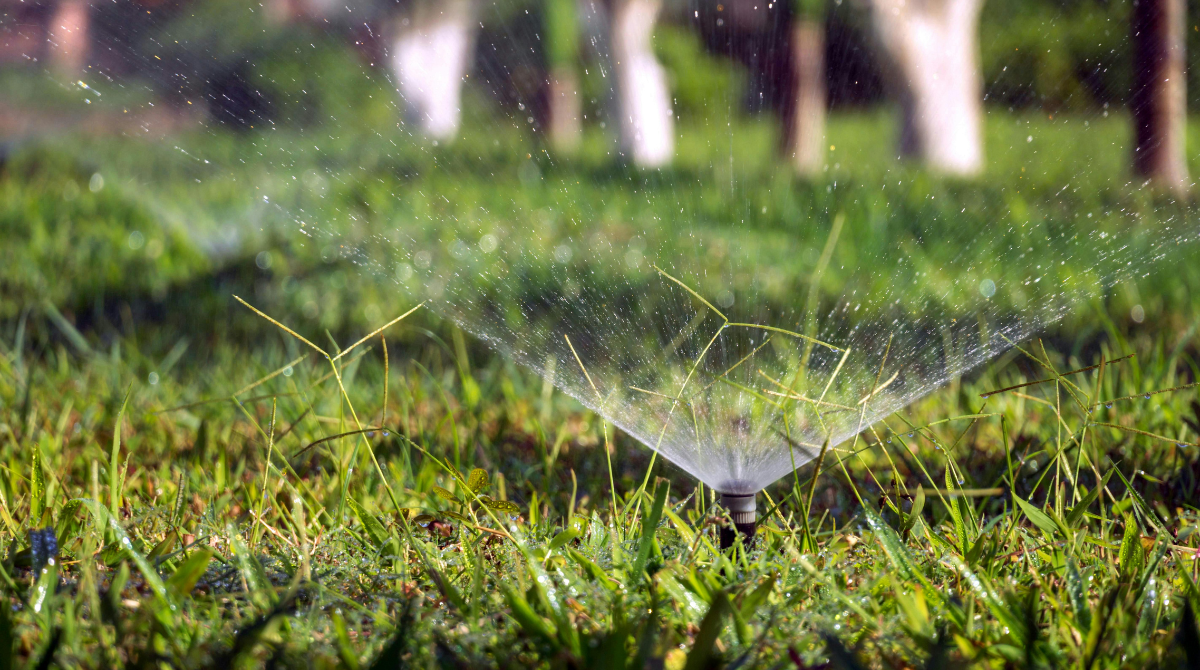
Oddly enough, watering your lawn just before a forecasted cold night can help shield it from light frost. The idea is simple: the water evaporating overnight releases a little heat, offering grass blades some protection from freezing.
- Check the weather in advance and water in the afternoon if frost is expected.
- Don’t overdo it—you just want the soil moist, not soaked.
- Newly seeded or particularly fragile sections might need an extra bit of water.
- If you're interested in best watering practices, following the guidance of landscaping professionals makes a difference.
Water acts like a buffer for sudden temperature drops. Just a light watering before dusk can protect your lawn’s cells from freezing and turning brittle.
Insulating Your Lawn
Covering your grass with a thin layer of insulation really cuts down on freeze damage. Here are some common materials people use:
- Shredded leaves—just spread them lightly over the area.
- Peat moss or straw as a barrier, especially on vulnerable patches.
- Mulch, if you’re looking for something that also keeps weeds down during winter.
The trick is to avoid piling it up—grass still needs to breathe, so just a light covering does the job.
Proper Winter Lawn Maintenance
Let’s face it, many folks skip lawn care over the winter, but a little prep work can make a huge difference come spring:
- Rake up and remove debris before the freeze.
- Address any compacted soil areas with aeration.
- Make sure there’s proper drainage to avoid water pooling and freezing.
- Take time to cut the final mow slightly shorter than normal.
- Put away hoses and sprinklers to prevent ice damage.
Routine winter prep not only cuts down on the likelihood of frost damage, but can also discourage late winter weeds, as pointed out in advice from
experts who manage lawns year-round.
A little effort before winter means less fixing in the spring. Keeping up with these tasks makes coming out of winter far less stressful for both you and your lawn.
If you stick to these steps, your lawn has a much better shot at coming through winter looking green and healthy, not battered and thin. It might not be glamorous, but solid preparation now goes a long way.
When to Seek Professional Lawn Care
Sometimes, even with the best intentions, your lawn might be beyond what you can fix on your own. If you're looking at your yard and feeling overwhelmed, it might be time to call in the pros.
Assessing the Severity of Damage
It's not always easy to tell just how bad things are. A few brown patches might just need some seed, but widespread damage could mean something more serious is going on. If you've got large areas that are completely dead, or if you're seeing signs of persistent disease that won't go away, a professional can give you a more accurate picture.
- Extensive bare spots: If more than 50% of your lawn is affected, professional help is often a good idea.
- Persistent fungal issues: Snow mold or other diseases that keep coming back might need stronger treatments.
- Signs of grub or insect damage: These can weaken the grass significantly and require specific pest control.
Understanding Resodding Needs
Resodding, or laying down new sod, is a big job. It's usually reserved for situations where the existing grass is too far gone to recover. Professionals have the equipment and know-how to prepare the ground properly and lay sod so it establishes well. If you're looking at needing to replace large sections of your lawn, getting a quote from a lawn care service can save you a lot of hassle and potential mistakes.
Partnering with Lawn Care Experts
Lawn care companies have seen it all. They know the specific problems that can arise after a harsh winter in your area and have the tools and treatments to fix them. They can also help you set up a plan to prevent future damage.
Don't hesitate to reach out for a consultation if you're unsure about the best way forward. It might cost a bit, but it can save you time, effort, and potentially money in the long run by getting it right the first time.
Sometimes, the best approach is to admit that a task is bigger than you anticipated. Lawn care professionals have the experience and resources to tackle severe winter damage, ensuring your lawn gets the best possible chance to recover and thrive.
Is your lawn looking a bit sad? Maybe it's got bare spots, or weeds are taking over. If you're finding it tough to keep your grass green and healthy, it might be time to call in the experts. Don't let lawn problems get you down. Visit our website today to learn how we can help your yard look its best!
Bringing Your Lawn Back to Life
So, your lawn took a beating this winter. It happens. But don't throw in the towel just yet. With a bit of patience and the right approach, you can definitely nurse your grass back to health. Remember to assess the damage first, give it a good raking, maybe aerate if the soil's too hard, and then think about reseeding or even sodding those bare spots. A little bit of the right fertilizer and consistent watering will go a long way too. It might not look perfect overnight, but stick with it, and you'll see your lawn bounce back. And hey, if it all feels like too much, there's always the option to call in the pros. Your green, healthy lawn is worth the effort!
Ready to Restore Your Lawn?
Freeze damage doesn’t have to define your lawn this season. Whether you need help diagnosing winter damage, repairing thinning turf, or protecting your yard from pests and fungal issues, Paragon Pest Solutions is here to help.
Our team combines expert lawn care knowledge with proactive pest management solutions to keep your outdoor space healthy year-round.
Schedule your lawn evaluation today and let Paragon bring your yard back to life.
Frequently Asked Questions
What does freeze damage look like on my lawn?
Freeze damage can show up in a few ways. You might see brown or yellow patches where the grass has died. Sometimes, the grass blades just get brittle and weak, or growth might seem to stop altogether. A thin white layer on the grass, especially if it sticks around, can also be a sign that frost has caused problems.
Can grass really come back after being frozen?
Yes, often it can! Even if your lawn looks rough after a freeze, the roots might still be okay. With the right care, like raking, aerating, and maybe some new seed, your grass can usually recover and start growing again. It just needs a little help to get back on its feet.
How soon should I try to fix my lawn after a freeze?
It's best to wait until the threat of frost has passed and the soil has started to warm up a bit. You can gently rake away any dead leaves or debris once the snow melts. Then, once the ground is workable, you can start with steps like aerating or reseeding.
Is it okay to mow my lawn if it's been damaged by frost?
Yes, but be gentle! When you first mow after a freeze, lower your mower's cutting height a little more than usual. This helps to cut off the damaged tips of the grass and encourages new, healthy growth to come through. Just make sure to clear away the clippings afterward.
What's the deal with snow mold?
Snow mold is a type of fungus that can grow on your lawn when it's covered by snow for a long time. It loves damp, cool conditions. It often shows up as fuzzy, white patches or rings of dead grass. Raking the lawn gently can help remove it and let the grass get some air.
Why is my soil so hard after winter?
Winter weather, especially snow and ice, can pack the soil down tightly. This is called soil compaction. When the soil is compacted, it's hard for water, air, and nutrients to reach the grass roots. Aerating your lawn, which means poking small holes in the soil, helps fix this problem.
When should I think about adding new grass seed or sod?
If you have large dead spots or areas where the grass is very thin, adding new seed is a good idea. This is called overseeding. For really bare patches where no grass is growing at all, you might consider laying down new sod, which is like a carpet of grass.
How can I stop my lawn from getting damaged by frost next year?
You can help your lawn prepare for winter by making sure it's healthy going into the cold months. Watering your lawn before a really cold night can actually help protect it. Also, keeping up with regular lawn care, like removing leaves in the fall and not letting snow pile up too much, makes a big difference.