Drywood vs. Subterranean Termites
Termites. Just the word can make a homeowner break out in a cold sweat and at Paragon Pest Solutions, Inc., we’ve seen firsthand how quickly they can turn from a small concern into a major structural threat. Understanding the difference between drywood and subterranean termites is the first step toward protecting your biggest investment your home. But not all termites are the same. You've got your drywood termites and your subterranean termites, and they go about their business in pretty different ways. Knowing the difference is step one in keeping your house from becoming their next meal. Let's break down what makes them tick and how to spot them.
Key Takeaways
- Drywood termites live directly in the wood they infest and don't need soil contact, often nesting in attics, walls, or furniture. Subterranean termites live in underground colonies and build mud tubes to reach wooden structures above ground.
- Subterranean termites need moisture to survive and are often found in damp environments, while drywood termites can thrive in drier conditions, making them harder to detect.
- A major sign of drywood termites is their fecal pellets, called frass, which look like sawdust. Subterranean termites are usually identified by their mud tubes, which they use for travel and protection.
- Both types of termites can cause significant structural damage to homes, leading to costly repairs. Subterranean termite colonies are typically larger and can cause damage more quickly than drywood termite colonies.
- Preventing termites involves keeping your home dry, sealing cracks, and reducing wood-to-soil contact. For serious infestations, professional pest control is usually the most effective solution.
Understanding Drywood Termites
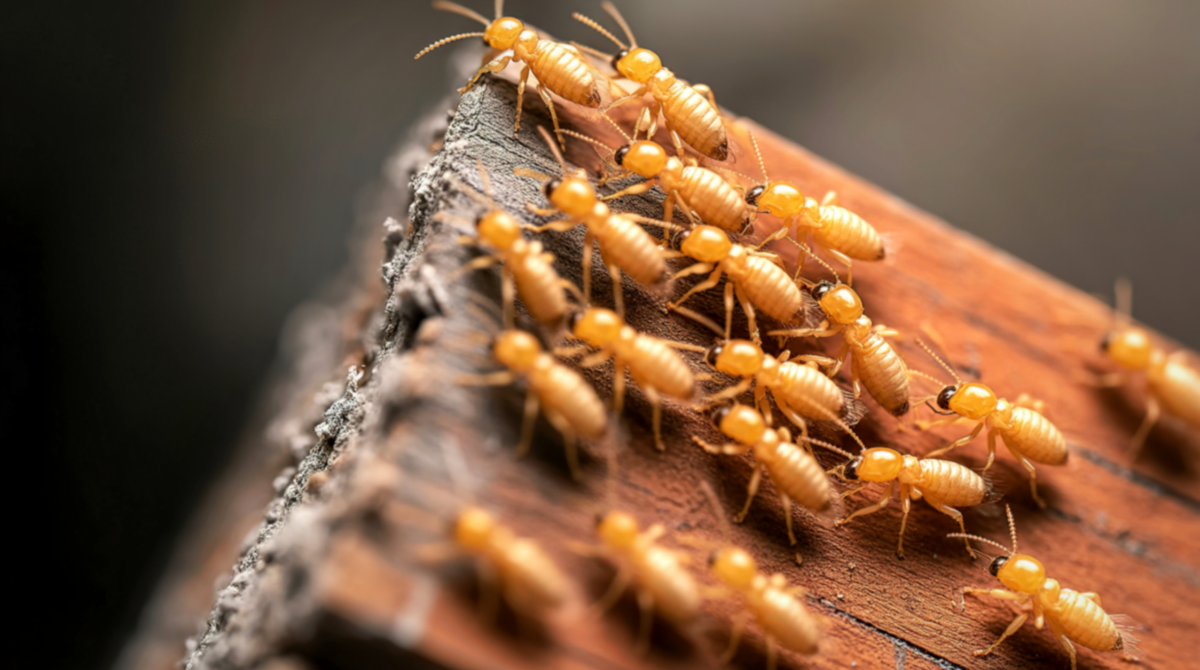
Drywood termites are one of those sneaky nuisances that don’t need soil or moisture-rich environments to thrive. Instead, they head straight into the dry wooden parts of your home—window frames, attic beams, doorframes, even furniture—and start chewing their way into comfortable colonies. Spotting them isn’t always easy, which is why so often, the damage is already done before you notice anything is wrong.
Habitat Preferences Of Drywood Termites
Unlike subterranean termites, drywood termites skip the mud tubes and just wander right into cracks and crevices in your home’s exterior. Once inside, they set up shop deep in dry wood, whether that’s structural beams, floors, or furniture. You’ll mainly find them in:
- Attic beams and rafters
- Window and door frames
- Wooden furniture or cabinets
- Baseboards, facia, soffits
You really won’t see them hanging out in the soil or using tunnels like some other termite types. Their colonies are totally above ground and can exist completely inside the wood itself.
Dietary Needs Of Drywood Termites
The main thing on a drywood termite’s menu is cellulose, the organic material found in wood. They actually digest wood as they tunnel and live inside it. That means anything made of wood—including expensive antiques or basic construction wood—can easily be at risk.
Signs Of Drywood Termite Infestations
Sometimes, homeowners don’t even know there’s a problem until floors creak weirdly or furniture crumbles unexpectedly. Common warning signs include:
- Tiny holes in wood surfaces (kick-out holes)
- Piles of frass (the termite droppings), which look a lot like coffee grounds or sawdust
- Discarded wings near windowsills or door frames (after termite swarms)
- Wood that sounds hollow when tapped
Keeping an eye out for even the smallest piles of termite frass can save you from expensive repairs later.
Drywood termites can live in hiding for years, making it especially important to have regular inspections. Understanding the growth stages—from eggs to immatures to adults—can also help spot trouble before it spreads.
Subterranean Termites: A Different Threat
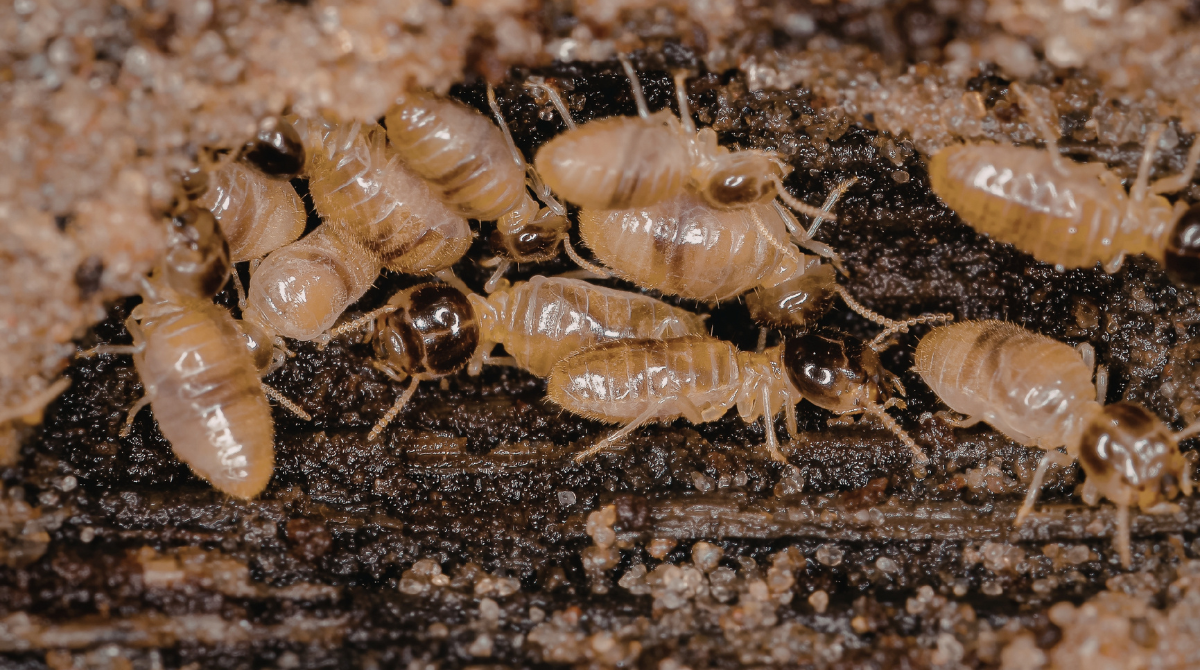
When we talk about termites, it's easy to lump them all together, but subterranean termites are a whole different ballgame compared to their drywood cousins. These guys live underground, and that's a pretty big deal for how they operate and the kind of damage they can cause.
Subterranean Termite Colonies And Their Size
Subterranean termite colonies are seriously massive. We're not talking a few hundred bugs; we're talking hundreds of thousands, sometimes even millions, of individuals. This sheer number is what makes them so destructive. A queen can lay thousands of eggs daily, so a colony grows fast and can mature in just a few years. This rapid growth means they can chew through a house much quicker than you might think.
Moisture Requirements For Survival
Unlike drywood termites that can get by with the moisture found in wood, subterranean termites absolutely need contact with the soil. They build these amazing mud tubes, which are basically highways made of dirt, saliva, and their own droppings. These tubes protect them from predators and, more importantly, keep them from drying out. They need that damp, underground environment to survive and thrive.
Identifying Subterranean Termite Activity
Spotting subterranean termites isn't always straightforward, but there are clues. The most obvious sign is those mud tubes. You'll see them on your foundation walls, crawl spaces, or even inside your home if they've found a way in. They might also leave behind blistered or peeling paint on wood surfaces, which is a sign of the moisture they bring. If you notice wood that sounds hollow when tapped, or floors that seem to be sagging, it could be a sign of their tunneling activity. It's important to know that these pests need soil contact to survive, so keeping your home dry and sealed is key to preventing their entry.
Here's a quick rundown of what to look for:
- Mud tubes on exterior walls or foundations.
- Wood that sounds hollow or feels soft.
- Blistering or peeling paint on wooden surfaces.
- Discarded wings, though less common than with drywood termites.
These termites are relentless because they're always looking for new food sources and can travel long distances underground to find them. Their need for moisture means they often target areas of a home that have some dampness, like basements or areas with leaky pipes.
Key Distinctions Between Termite Types
When you're dealing with a termite problem, knowing which type you're up against is pretty important. It's not just about knowing the enemy; it's about knowing how they operate and, more importantly, how to fight them. The two main culprits homeowners usually encounter are drywood termites and subterranean termites, and they're quite different.
Habitat and Nesting Habits
Drywood termites, as their name suggests, like it dry. They don't need to be near the soil or any moisture source to survive. Instead, they make their homes directly inside the wooden structures they infest. Think attics, wooden furniture, or even picture frames. They create galleries within the wood itself, essentially living and dining in the same place. This makes them a bit stealthier, as their nests aren't as obvious as those of their subterranean cousins.
Subterranean termites, on the other hand, are all about the soil. They build their nests underground, in moist soil, and then create mud tubes to travel back and forth to your home's wooden elements. These mud tubes are like highways, protecting them from predators and keeping them from drying out as they forage for food. You'll often find these tubes on foundation walls or other surfaces connecting the ground to your house.
Moisture Dependency
This is a big one. Subterranean termites absolutely need moisture to survive. That's why they stick close to the ground and build those protective mud tubes. Without that connection to damp soil, they'll quickly perish. This dependency is a key vulnerability that pest control professionals can exploit.
Drywood termites, however, are much more self-sufficient when it comes to water. They get all the moisture they need from the wood they consume. This allows them to infest drier areas, far from any soil contact, making them a threat in places subterranean termites simply couldn't survive. They're perfectly happy in your dry lumber or antique dresser.
Colony Size and Damage Potential
When it comes to sheer numbers and the speed at which they can cause damage, subterranean termites often take the cake. Their colonies can be massive, sometimes numbering in the hundreds of thousands or even millions. This large workforce means they can chew through wood at an alarming rate, potentially causing significant structural damage relatively quickly. A large subterranean termite colony can be a serious threat to property integrity.
Drywood termite colonies are generally much smaller, often consisting of just a few thousand individuals. They also tend to work more slowly. While they can still cause extensive damage over time, their smaller colony size means the destruction might not be as rapid or as widespread as what a large subterranean colony can inflict. However, don't underestimate them; over years, they can still compromise the structural integrity of your home.
Recognizing Termite Presence
It's easier to keep your home safe from termites if you know what clues to keep an eye on. Some warning signs are clearer than others, but catching them early can keep your repair bills from piling up.
Signs Indicating Drywood Termites
Drywood termites are sneaky. They set up shop right inside your wooden beams or furniture, often for a long time before getting spotted. One of the most obvious signals is the appearance of small piles that look like coffee grounds or sand — these are the droppings, also called frass. Frass collects beneath tiny holes in wood where termites push it out.
Here are a few clear hints:
- Small, pellet-like droppings (frass) on floors or windowsills
- Tiny holes in wooden trim, frames, or furniture
- Hollow sounds when you knock on infested wood
- Discarded wings by windows or doors after termite swarming
Drywood termites don’t create mud tubes, so you’ll mostly see smooth holes, hidden damage, and loose droppings instead of dirt builds.
Indicators Of Subterranean Termites
Subterranean termites are more visible in their habits. They need moisture and often live underground, connecting to your house by building noticeable mud tubes on walls, foundations, or along plumbing.
Look for:
- Mud tubes on basement walls or outside foundations
- Areas where paint looks bubbled, cracked, or is peeling
- Sagging or buckling of floor or wall surfaces
- Wood that feels soft or appears layered below the surface
Moisture is a big clue for subterranean termites as they almost always build where there’s more dampness.
Discarded Wings As A Common Sign
During warmer, humid times, both types of termites send out winged reproductives, or swarmers. After flying to new spots, they shed their wings, leaving them in windowsills, at doorways, or caught in cobwebs.
If you suddenly see piles of thin, papery wings inside your home — especially in spring or after rain — there’s a good chance termites have moved in:
- Wings usually gather in corners, on countertops, or under lights
- Drywood termite wings are a bit smaller than those from subterranean termites
- The presence of wings alone can mean a fresh colony is settling in
Don’t shrug off found wings; even if you see no other damage, they’re an early alert for a hidden infestation.
Staying alert to these clues and taking quick action if you see them can save you from costly repairs and stressful surprises down the road.
The Destructive Nature Of Termites
Termites, those tiny wood-munching insects, might seem small, but the damage they can inflict on a home is anything but. Whether they're drywood termites feasting within your walls or subterranean termites tunneling up from the soil, the end result can be a serious threat to your property's integrity and your wallet.
Structural Damage Caused By Termites
Both types of termites are after the cellulose found in wood, and they go about it in different ways. Drywood termites, as their name suggests, live directly inside the dry wood structures of your home. They tunnel and excavate galleries, weakening the wood from the inside out. You might not see the signs until the wood sounds hollow when tapped or even starts to crumble. Subterranean termites, on the other hand, need contact with soil for moisture. They build those tell-tale mud tubes to travel from the ground to your home's wooden elements. These tunnels protect them and allow them to feed on foundations, support beams, and flooring. Over time, this constant consumption can compromise the structural soundness of your entire house, leading to sagging floors, warped doors, and even collapsed ceilings.
Financial Impact Of Infestations
Let's talk numbers. Termite damage isn't usually covered by standard homeowner's insurance, which means you're likely footing the entire bill for repairs. In the United States, termites cause an estimated $5 billion in property damage each year. That's a staggering amount, and it highlights why early detection and treatment are so important. A small, unnoticed infestation can quickly turn into a costly repair job, potentially costing thousands of dollars to fix compromised beams, replace damaged flooring, and restore structural integrity. It's a financial burden that most homeowners would rather avoid.
Health Concerns Related To Termites
While termites themselves don't carry diseases that they transmit to humans like some other pests, their presence can still impact your health. The activity of termites, especially drywood termites, creates a lot of fine dust and fecal pellets, known as frass. This frass can become airborne, potentially triggering allergies or asthma symptoms in sensitive individuals. For homes infested by subterranean termites, the moisture they bring and the damage they cause to wood can also lead to the growth of mold and mildew. These secondary issues can affect indoor air quality and contribute to respiratory problems for occupants.
The silent, persistent nature of termite activity means that damage can progress significantly before it's even noticed. This makes regular inspections and proactive prevention strategies absolutely vital for protecting your home and your health.
Preventative Measures For Homeowners
Keeping termites away is a mix of being alert and making a few changes around the home. It’s not just about luck—it's about having some good habits and keeping an eye out. Here are ways to keep both drywood and subterranean termites from creeping in.
Preventing Drywood Termite Entry
Drywood termites can squeeze in through the smallest gaps. Sealing up your home’s woodwork makes a real difference.
- Use caulk or wood sealant on cracks and joints in doors, windows, soffits, and exposed wooden beams.
- Keep firewood, lumber, and other wooden debris stored well away from your home’s exterior.
- Don't forget to check attics and crawl spaces—you’d be surprised how easily termites sneak in there.
- Schedule regular visual inspections: look for frass (termite droppings), blisters on wood, and hollow-sounding areas.
Most homeowners don’t even realize drywood termites are present until the damage is already done. Being proactive means you have a fighting chance at stopping problems before they start.
Deterring Subterranean Termites
Subterranean termites need moisture and soil contact, so making your home less inviting helps a lot.
- Maintain gutters and downspouts so water moves away from the foundation.
- Repair leaky faucets, pipes, and air conditioning units fast.
- Make sure wooden structures (steps, posts, decks) do not sit directly on the soil—use stone or metal barriers when possible.
- Install physical barriers such as stainless steel mesh or sand around foundations if you want to get serious about prevention.
Maintaining A Dry Home Environment
Too much moisture anywhere around your house is bad news. Controlling humidity indoors, especially in basements and crawl spaces, can make a real difference against all types of termites.
- Use a dehumidifier in damp rooms or basements.
- Make sure kitchens, bathrooms, and laundry areas are well-ventilated.
- Check that your landscape slopes away from your foundation so rainwater drains correctly.
Little leaks might seem harmless, but for termites, they’re like rolling out the welcome mat. The drier your place, the fewer problems you’ll have.
If you stay ahead of things, your home will be much less likely to attract termites. You really don’t want to wait until you see the damage, because by then, it’s a bigger, more expensive headache.
Treatment Strategies For Termite Infestations
Dealing with termites can feel overwhelming, but thankfully, there are several ways to tackle an infestation, depending on what kind of termites you're up against. It's not usually a simple DIY fix, especially when things get serious.
Professional Treatment Options For Drywood Termites
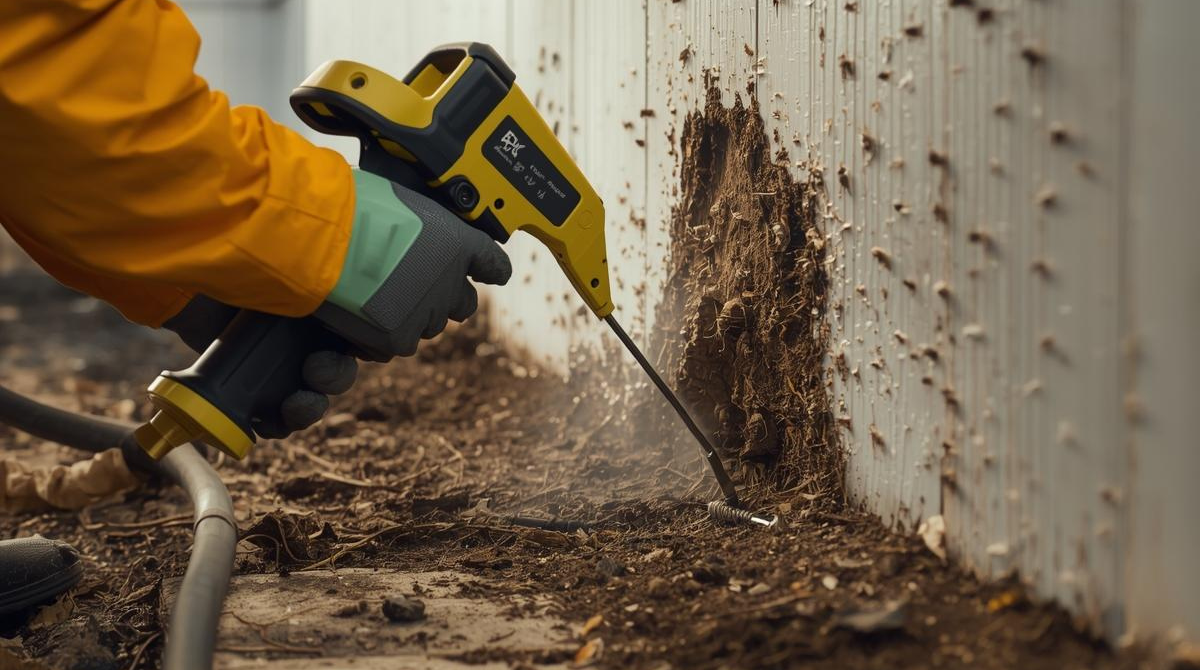
For drywood termites, which tend to live within the wood they infest, professionals often use a couple of main strategies. One is called spot treatment. This involves applying termiticides directly to specific areas where you see signs of activity, like small piles of their droppings (frass) or damaged wood. It's good for smaller, localized problems. If the infestation is more widespread, fumigation might be the way to go. This is a big one – the whole structure gets covered with tarps, and a gas is pumped in to kill the termites everywhere. It's highly effective but definitely a job for the pros.
Methods For Eradicating Subterranean Termites
Subterranean termites, on the other hand, live in underground colonies and need moisture. Treatment usually focuses on creating a barrier around your home. Liquid termiticides can be applied to the soil surrounding your foundation, killing termites that try to cross it. Another popular method is using bait systems. These involve placing bait stations in the ground around your property. Termites find the bait, eat it, and then carry it back to their colony, slowly wiping them out from the inside. It's a more gradual process but can be very effective for long-term control. Sometimes, physical barriers like specialized mesh are also installed to stop them from reaching the house in the first place.
The Role Of Spot Treatments
Spot treatments are a bit like targeted strikes. They're great when you've identified a specific area that's infested, especially with drywood termites. A pest control expert will apply a liquid or foam directly into galleries within the wood or drill small holes to inject the treatment. This method is less disruptive than fumigation and can be quite effective for contained problems. However, it's important to remember that if the termites have spread to other areas you haven't found yet, a spot treatment alone might not solve the whole issue. It's often part of a larger plan, and knowing when to use it requires a good inspection.
When you're dealing with termites, it's easy to feel like you need to do everything yourself. But honestly, these pests can cause serious damage really fast. Trying to handle a big infestation on your own often means you miss spots, and the problem just keeps going. Professionals have the right tools and know-how to really get rid of them and stop them from coming back. It's usually worth the investment to protect your home.
When To Seek Expert Termite Control
Look, nobody likes thinking about termites. You might try to handle small things around the house yourself, and that's fine. But when it comes to termites, especially if you're seeing more than just a stray wing or two, it's probably time to call in the pros. Trying to tackle a full-blown infestation on your own can end up costing you more in the long run, both in terms of money and potential damage to your home.
Recognizing the Need for Professional Help
So, how do you know it's time to pick up the phone? It's not always obvious, but there are some pretty clear signs. If you've spotted mud tubes, which are basically highways for subterranean termites, or if you're seeing piles of what looks like sawdust (that's actually termite droppings, called frass) near wooden structures, that's a big red flag. Also, if you've tried some basic prevention, like keeping wood away from your foundation, and you're still seeing activity, it's a sign that the problem is bigger than you can handle alone. Don't wait until you hear that tell-tale hollow sound when you tap on your walls.
Here are some common indicators that professional help is needed:
- Visible mud tubes on exterior walls or foundations.
- Significant piles of frass (pellets) around wooden furniture or baseboards.
- Wood that sounds hollow when tapped, indicating internal damage.
- Evidence of swarming termites or discarded wings in large numbers.
Benefits of Expert Termite Inspections
Professionals bring a level of knowledge and tools that you just can't get from a DIY approach. They know exactly where to look, what to look for, and how to tell the difference between drywood and subterranean termites, which is important because they need different treatments. An expert inspection is more than just a quick look around; it's a detailed assessment that can pinpoint the extent of the infestation and identify all the entry points. This thoroughness is key to a successful pest control treatment.
Limitations of DIY Termite Solutions
Let's be honest, those over-the-counter sprays might kill a few termites you see, but they rarely get to the heart of the colony. Termite colonies can be massive and hidden deep within your walls or underground. DIY methods often only address the surface problem, leaving the main colony to continue its destructive work. This can lead to a cycle of ineffective treatments and escalating damage. For serious infestations, relying on professionals is the most effective way to ensure complete eradication and protect your home's structural integrity.
Comparing Termite Damage Potential
When we talk about termites, the damage they can inflict is usually the main concern. It's not just about the creepy crawlies themselves, but what they do to our homes. The speed and extent of this damage can really vary depending on whether you're dealing with drywood termites or their subterranean cousins.
Speed of Damage by Subterranean Termites
Subterranean termites are often considered the more aggressive threat when it comes to rapid destruction. This is largely due to their colony structure. These termites live in massive underground colonies, sometimes numbering in the millions. Because they need moisture and soil contact, they build intricate mud tubes to travel from their underground nests to your home's wooden structures. This constant access means they can work tirelessly, chewing through wood from the inside out, often undetected until significant damage has occurred. Their sheer numbers allow them to consume wood at a much faster rate than drywood termites.
Long-Term Impact of Drywood Termites
Drywood termites, while perhaps less immediately alarming in terms of speed, can still cause substantial long-term damage. Unlike subterranean termites, they don't need to stay connected to the soil. They live directly within the dry, wooden structures they infest, like attics, furniture, and wall voids. Their colonies are much smaller, typically only a few thousand individuals, and they feed more slowly. However, over years, their tunneling and consumption can weaken structural timbers, leading to costly repairs. The damage is often hidden deep within the wood, making it harder to spot until it's quite advanced. It's a slow burn, but the cumulative effect can be just as devastating.
Overall Threat to Property Integrity
Both types of termites pose a serious threat to your property, but the immediacy of the danger often leans towards subterranean termites due to their colony size and feeding habits. A subterranean termite infestation can weaken a home's structure significantly in a relatively short period, potentially leading to safety concerns. Drywood termites, while slower, can cause extensive damage over a longer timeframe, often compromising the integrity of individual wooden items or structural components that might not be immediately obvious. It's important to remember that regardless of the type, termites are wood-destroying organisms, and early detection and treatment are key to preventing severe structural compromise. Addressing any signs of termites promptly can save you a lot of headaches and money down the line, much like preventing lawn pests can save your yard.
The financial burden of termite damage can be immense. While subterranean termites might cause faster, more widespread structural issues, drywood termites can silently degrade wooden elements over time, leading to unexpected and expensive repairs. Both demand attention.
Understanding Termite Behavior
Termites, whether drywood or subterranean, are fascinating in their own way, though usually not in a good way when they're in your house. Their behavior dictates how they infest and damage structures, and knowing this can help you spot them.
How Drywood Termites Establish Colonies
Drywood termites are a bit more independent than their soil-dwelling cousins. They don't need to stay close to the ground or rely on constant moisture. Instead, they set up shop directly inside wooden structures. Think attics, window frames, or even that antique dresser you love. A swarm of reproductive drywood termites will fly out, find a suitable crack or crevice in dry wood, and then start a new colony. They're pretty self-sufficient once inside, creating galleries within the wood and slowly expanding their territory. Their colonies tend to grow slower than subterranean ones, but they can go undetected for years. They get all the moisture they need from the wood they consume.
Subterranean Termites and Mud Tubes
Subterranean termites, on the other hand, are all about that soil connection. They build their nests underground, often in moist soil, and then construct elaborate mud tubes to travel between their nest and food sources (your house!). These tubes are made from soil, saliva, and their own droppings, and they serve a dual purpose: protection from predators and, crucially, maintaining the high humidity they need to survive. You'll often see these tubes on foundation walls, crawl spaces, or even inside walls if they've found a way in. They need to maintain contact with the soil to stay alive, which is a key difference from drywood termites.
Termite Swarming Behavior
Swarming is a big deal for termites. It's basically their mating season and how they spread to new locations. You'll see winged termites, called alates, emerge from an existing colony in large numbers. They fly out, find a mate, and then shed their wings. If you see a lot of discarded wings around windowsills or doors, it's a strong indicator that a swarm has occurred, and potentially, a new colony has been established nearby, or even inside your home. This is often the first sign homeowners notice, especially with drywood termites who might swarm inside. It's a clear signal that it's time to pay attention and maybe even call in pest control specialists for an inspection.
Termites are tiny creatures that can cause big problems for your home. They love to eat wood and often work in secret, making them hard to spot until the damage is done. Understanding how they live and what attracts them is the first step to keeping them away. Learn more about these pests and how to protect your house.
Conclusion
So, after looking at both drywood and subterranean termites, it’s clear that neither is a welcome guest in your home. Drywood termites hide out in the wood itself, making them tough to spot until the damage is already done. Subterranean termites, on the other hand, build huge colonies underground and can chew through a house way faster than you’d expect. The signs are different, the treatments are different, but the headache is the same. If you suspect termite activity or simply want peace of mind don’t wait until damage becomes visible.
Schedule a professional termite inspection with Paragon Pest Solutions, Inc. today. Our experienced team provides thorough inspections, customized treatment plans, and long-term protection designed specifically for Florida homes.
Contact us today to protect your home before termites make it theirs.
Frequently Asked Questions
What's the main difference between drywood and subterranean termites?
The biggest difference is where they live. Subterranean termites build their homes underground and need damp soil to survive. They travel to your house through tunnels they make. Drywood termites, on the other hand, live right inside the dry wood they eat, like in your walls or furniture, and don't need to be near the ground.
Which type of termite is worse?
Both can cause serious damage, but subterranean termites often cause problems faster. Their colonies are much, much bigger, sometimes with millions of termites working together. This means they can chew through wood and weaken your home's structure more quickly than drywood termites.
What signs should I look for to spot drywood termites?
Drywood termites are sneaky! You might notice small piles of droppings that look like sawdust or coffee grounds, especially below tiny holes in wood. You might also find discarded wings near windows or doors after they swarm. Sometimes, tapping on wood might sound hollow because they've eaten the inside.
How can I tell if I have subterranean termites?
Look for mud tubes! These are like highways made of dirt and saliva that subterranean termites build on the outside of your house, going from the ground to the wood. You might also see peeling paint or bubbling wallpaper where they've caused moisture damage, or hear faint clicking sounds inside walls if the colony is huge.
Can termites really cause that much damage?
Yes, they can! Termites eat wood, which is what holds your house together. Over time, they can tunnel through beams, walls, and floors, making them weak and unsafe. In the U.S. alone, termites cause billions of dollars in damage every year.
How can I stop termites from getting into my house?
For subterranean termites, try to keep wood away from the soil and make sure water drains away from your house's foundation. Seal up any cracks in the foundation. For drywood termites, seal any cracks or openings in wooden parts of your home. Keeping your home dry and well-ventilated helps too!
What should I do if I think I have termites?
It's best to call a professional pest control expert right away. They know how to figure out which type of termite you have and the best way to get rid of them. Trying to fix a big termite problem yourself might not work and could let them do more damage.
Do termites spread diseases?
Termites themselves don't spread diseases to people. However, the dust and droppings they leave behind, especially from drywood termites, can cause allergies or make asthma worse for some people. Also, the moisture damage from subterranean termites can lead to mold, which isn't good for your health either.