Why Pests Aren’t Slowing Down This Winter
You’d think winter would finally give your home a break from pests, but here in Melbourne, FL, cooler weather simply pushes rodents, insects, and other winter pests indoors. Instead of disappearing, they search for warmth, shelter, and food inside living spaces. Paragon Pest Solution, Inc. knows exactly how winter pests behave in Melbourne homes, and seasonal protection is the smartest way to stay ahead of issues.
Key Takeaways
- Winter doesn't mean pests are gone; they often move indoors seeking warmth and food.
- Rodents like mice become a bigger problem in colder months, needing careful exclusion.
- Termites and stored product pests like beetles can remain active and cause damage or contamination during winter.
- Insects have survival strategies like dormancy and natural antifreeze to get through the cold.
- For Melbourne homeowners, Paragon Pest Solution delivers targeted winter pest protection that stops activity before it grows into costly damage.
Winter Pests: A Misconception Of Disappearance
The Illusion Of A Pest-Free Winter
It’s easy to think that when the temperatures drop and the snow starts to fly, our homes are finally safe from those unwelcome creepy crawlies. We bundle up, turn on the heat, and assume the pests have all vanished with the warm weather. But honestly, that’s just not the case.
The idea of a pest-free winter is mostly a myth. Many insects and rodents don't actually die off; they just change their game plan. They’re masters of survival, and the cold just pushes them to find new strategies, often leading them right into our living spaces. Many Melbourne homeowners assume pests ‘go away’ in winter, but most simply move indoors. Paragon’s winter service calls increase every year because the cooler months drive pests directly into residential structures.
Indoor Havens For Winter Critters
When it gets chilly outside, our homes, garages, and even attics become incredibly attractive to pests. Think about it: we’ve got warmth, shelter from the elements, and often, a readily available food source. Rodents like mice and rats are particularly good at finding even the tiniest cracks to squeeze through, seeking refuge behind walls or in insulation. Insects, too, find ways in. Some might overwinter in a dormant state, while others actively seek out cozy spots. It’s like they’re throwing their own little winter party, and our houses are the venue. This is why you might start noticing more spiderwebs in corners or hearing faint scratching sounds in the walls – these are signs that your home has become a winter resort for pests.
Why Pests Aren't Truly Gone
So, where do they go? Well, many don't 'go' anywhere. They adapt. Insects, for example, have incredible survival mechanisms. Some enter a state called diapause, which is like a biological pause button, slowing down their metabolism to conserve energy. Others produce natural antifreeze compounds to prevent their cells from freezing. Rodents, on the other hand, are simply looking for a warmer place to live and breed. They don't hibernate in the same way some animals do; they just become more concentrated indoors. This means that even though you might not see them scurrying around outside, they are very much present, waiting for the warmer months or simply thriving in the controlled environment of your home. If you're in the Melbourne, FL area, Paragon Pest Solutions can help identify and manage these winter invaders.
Rodent Activity Surges In Colder Months
You might think that when the temperatures drop, the critters pack up and head out. But for rodents like mice and rats, winter is actually prime time for activity. As the weather gets colder, their natural instincts kick in, pushing them to find warmer shelter and more reliable food sources. This often means they're looking for a way into your home or business. Cooler Melbourne nights cause rodents to search aggressively for warm nesting sites. Paragon often sees a spike in rodent activity in Melbourne homes between December and February.
Mice: A Growing Winter Concern
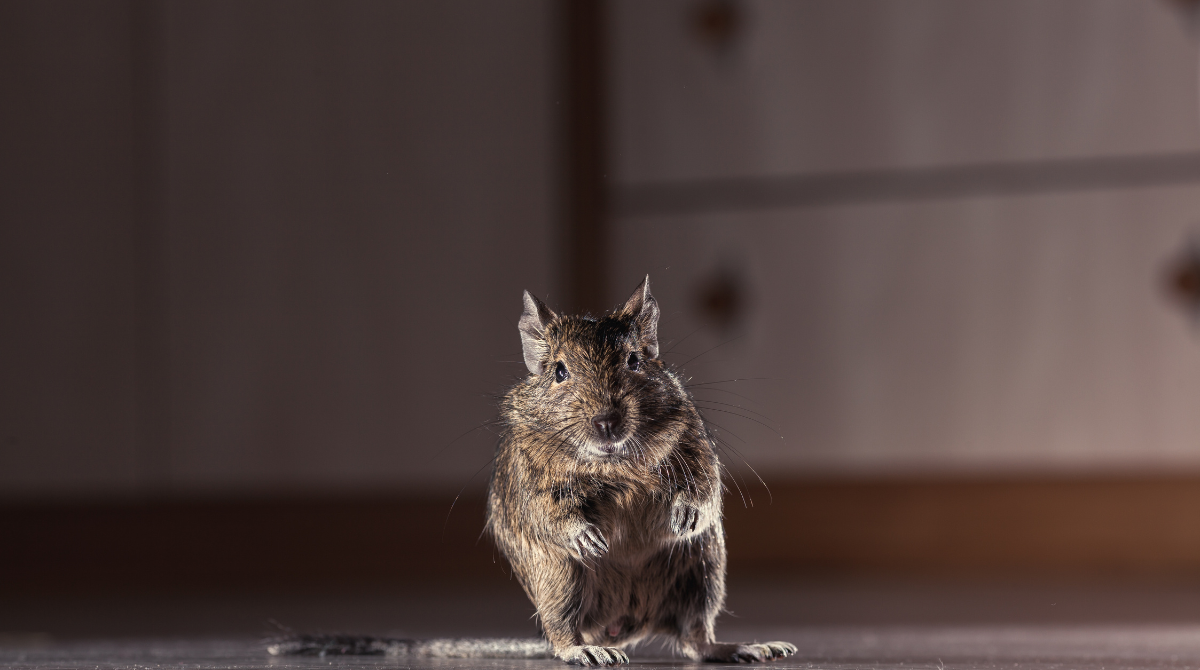
Mice are particularly problematic during the colder months. They're small, they reproduce quickly, and they can squeeze through incredibly tiny openings – sometimes as small as a dime. This makes it easy for them to slip into buildings unnoticed. Once inside, they're not just looking for a cozy spot; they're building nests, often in wall voids, attics, or basements, and looking for anything they can eat. Their presence can go undetected for a while, with signs like droppings or gnaw marks being the first indication of a problem. It's a common misconception that mice disappear in winter, but in reality, their search for warmth and sustenance intensifies.
The Importance Of Exclusion For Rodents
Because rodents can enter through such small gaps, sealing up your property is super important before winter really sets in. Think of it like winterizing your house – you want to block off any potential entry points. This means checking for cracks in the foundation, gaps around pipes or wires, and ensuring vents are properly screened. A strong exclusion strategy keeps rodents out before they enter. Paragon’s Melbourne exclusion service seals gaps as small as ¼ inch, the exact entry points local rodents rely on. Book Paragon’s winter exclusion evaluation.
Unseen Infestations And Their Signs
Sometimes, you won't even know you have a rodent problem until it's gotten pretty bad. They're sneaky like that. Here are some common signs to watch out for:
- Droppings: Small, dark, pellet-like droppings, often found along walls, in cabinets, or near food sources.
- Gnaw Marks: Evidence of chewing on food packaging, wires, wood, or even furniture.
- Scratching Noises: Rustling or scratching sounds, especially at night, coming from inside walls or ceilings.
- Grease Marks: Smudges or streaks along baseboards or walls where rodents frequently travel.
Rodents are driven indoors by the cold, seeking warmth and food. Their ability to fit through small openings makes exclusion a key preventative measure. Early detection through signs like droppings and gnaw marks is vital for managing infestations before they escalate.
Termites Continue Their Destructive Winter Work
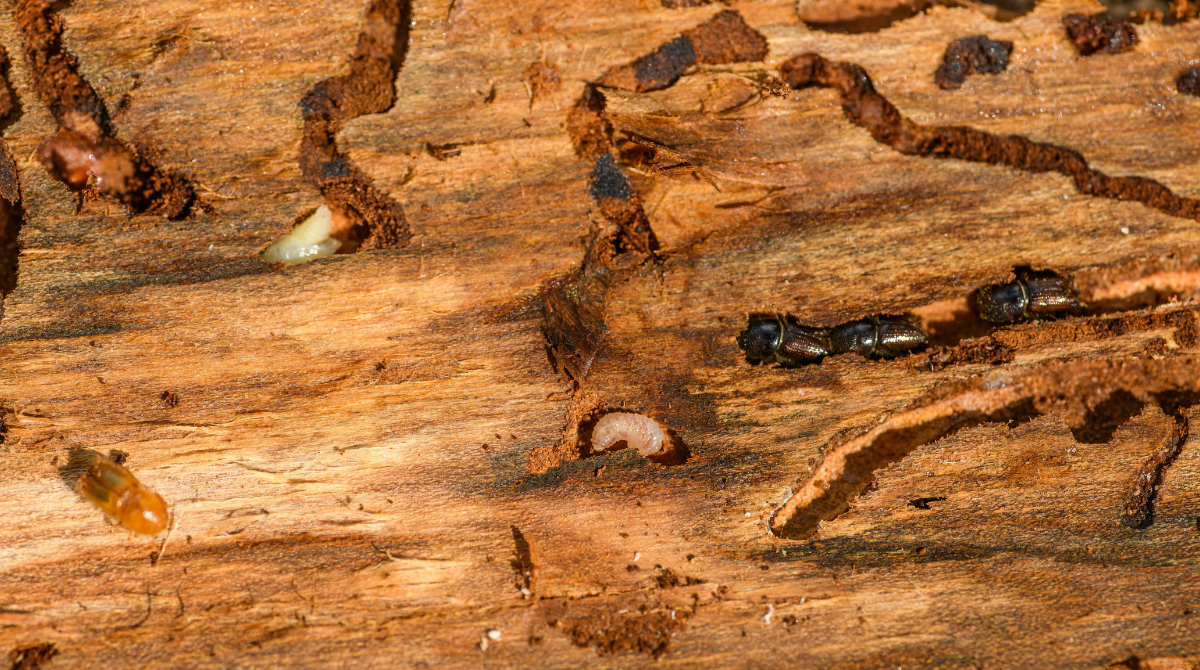
You might think that when the temperatures drop, termites pack up and go on vacation. That's a common idea, but it's not quite right. While some termite colonies might struggle if they're exposed to harsh, prolonged cold without any protection, many others are perfectly fine, especially when they find a cozy spot indoors.
Subterranean Colonies Remain Active
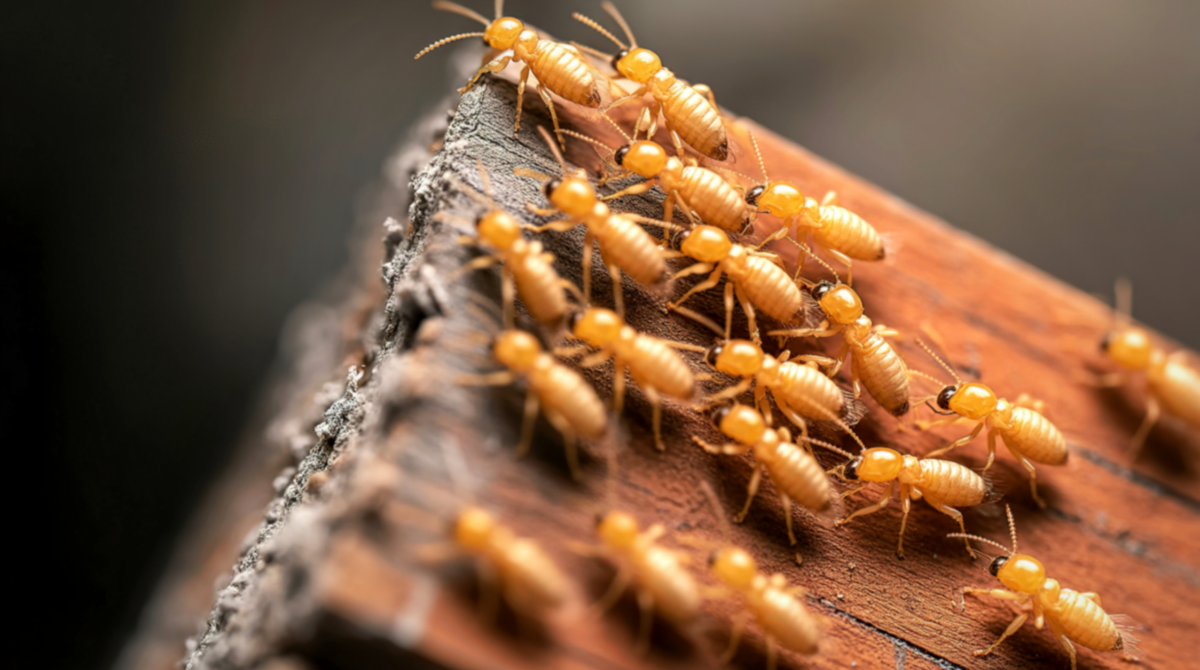
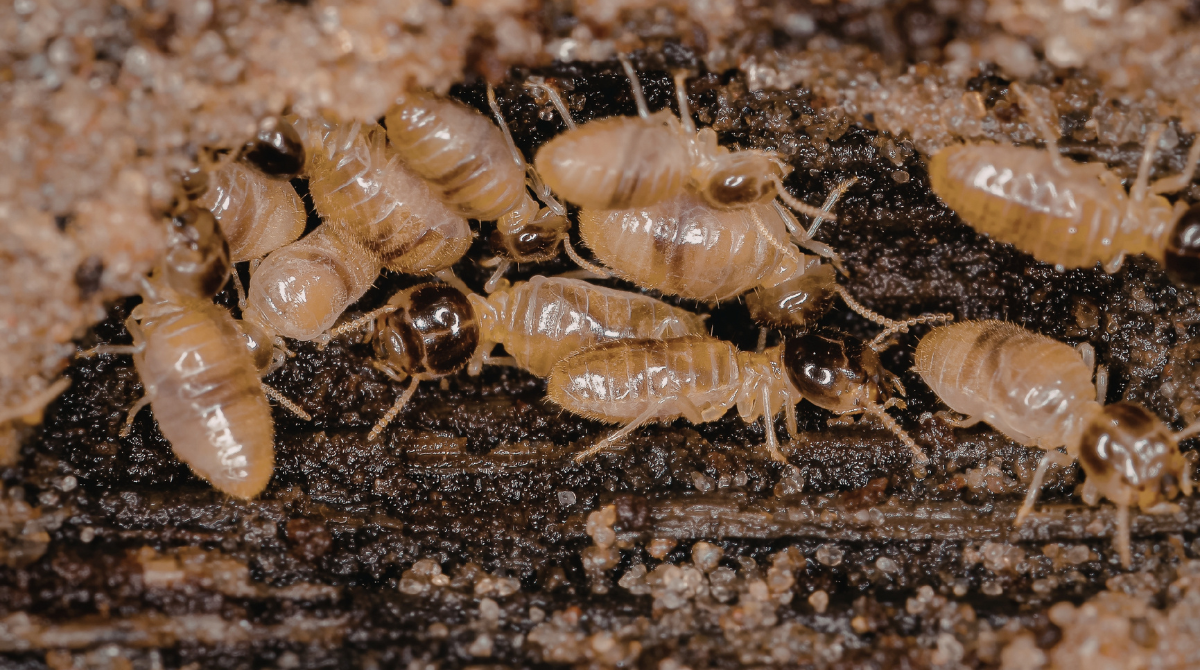
Termites that live underground, the kind you see most often, don't just freeze when it gets cold. They're smart about it. They'll dig deeper into the soil, going below the frost line where it stays warmer. If there's a blanket of snow on the ground, that actually helps insulate them even more. So, they're not exactly hibernating, but they are hunkering down, conserving energy, and waiting for better weather. This can slow down their egg-laying, and if the winter is particularly brutal and long, some colonies might not make it. But many do.
Indoor Termite Infestations Persist
This is where things get really interesting, and frankly, a bit concerning for homeowners. If termites find their way into a building – a house, an office, a warehouse – they're pretty much set for the winter. The consistent warmth inside a structure creates an artificial climate that's ideal for them. They don't have to worry about freezing temperatures or lack of food. They can just keep doing their thing, munching away on wood, all year long. It's like they've got their own personal heating system and an endless buffet.
The subtle signs of an indoor termite infestation can be easily missed, especially when people assume pests disappear in the cold. A faint clicking sound within walls, often described as termites communicating by tapping their heads, can be an early indicator that you have unwanted guests. Ignoring these quiet signals can lead to significant structural damage over time.
Damage Doesn't Pause For Cold
Think about it: if termites are active and feeding, they're causing damage. Winter doesn't magically stop them from eating wood. So, even if you don't see them out and about, they could be steadily weakening the structure of your home or business. This means that a problem you might not notice until spring could have actually been developing all winter long. It’s a silent threat that requires constant vigilance.
Here's a quick look at what happens:
- Outdoor Colonies: Dig deeper, use snow cover for insulation, slow down activity.
- Indoor Colonies: Thrive in consistent building temperatures, continue feeding and damaging structures.
- Winter Damage: Continues unabated for active indoor colonies, potentially worsening existing issues.
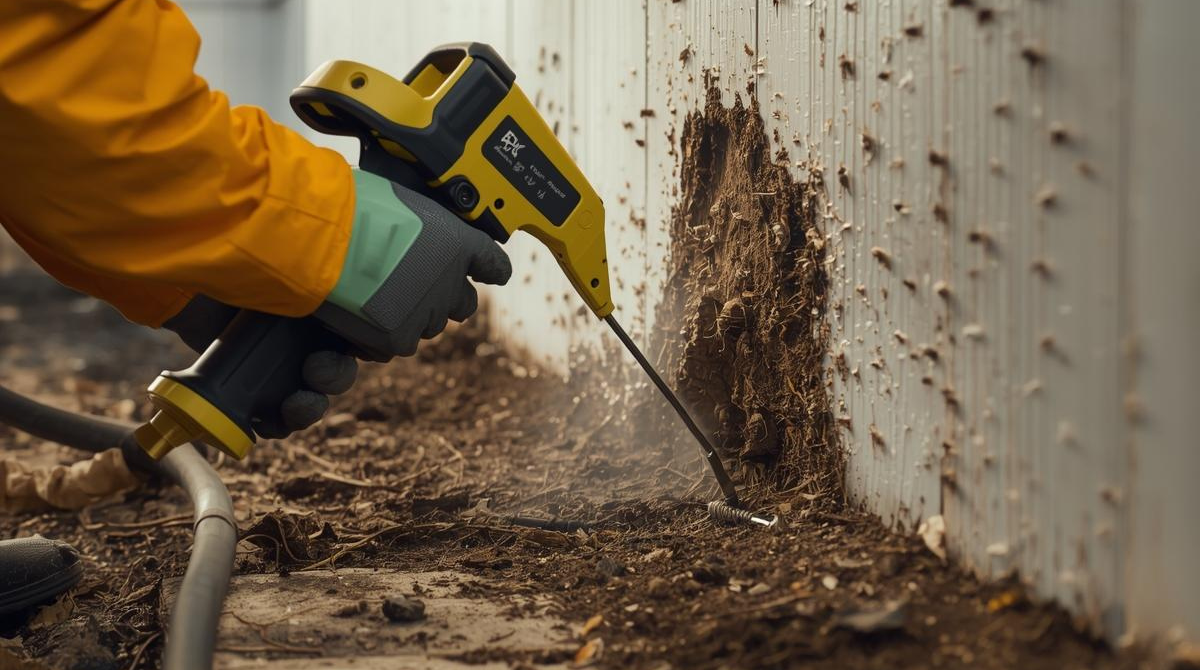
Indoor temperatures in Melbourne homes create ideal conditions for termite feeding. Paragon routinely identifies active termite signs in winter, especially in older coastal homes.
Schedule a
winter termite inspection with Paragon.
Stored Product Pests Thrive In Winter
Pantry Pests in Warehouses and Homes
You might think that once the weather turns cold, your pantry is safe. Think again. Winter is actually a prime time for certain pests, especially those that love to munch on your stored food. These aren't the creepy crawlies you see scurrying across the floor; these are the ones hiding in your flour, rice, and cereal boxes. Warehouses and grocery stores, with their vast amounts of dry goods, become inviting targets. But don't assume your home is immune. Even a small bag of forgotten pasta can become a breeding ground.
Beetles and Moths in Dry Goods
We're talking about the usual suspects: Indian meal moths, confused flour beetles, and cigarette beetles. They don't need much to survive – just a consistent food source and a relatively stable temperature, which your home or a commercial storage facility provides. These tiny invaders can reproduce rapidly, turning a small problem into a widespread infestation before you even notice. They can contaminate food, making it unsafe to eat, and their presence can be a real nuisance. It's a good idea to keep an eye on your dry goods, especially items that have been stored for a while. Regularly checking expiration dates and inspecting packaging for any signs of damage or tiny holes is a good start.
The Risk of Unnoticed Infestations
What makes these pests so tricky in winter is that they often go unnoticed. Unlike rodents or cockroaches that might make their presence known, pantry pests are small and tend to stay within their food source. You might not see them until you open a bag of flour and find a wriggling surprise. This is why regular checks are so important.
Here’s a quick checklist for prevention:
- Inspect all new dry goods before storing them.
- Store items in airtight containers made of glass, metal, or thick plastic.
- Clean out pantries and cupboards regularly, checking for spills or old food.
- Rotate your stock, using older items first.
The warmth inside your home during winter creates an ideal environment for these pests to continue their life cycle uninterrupted. They don't need to venture outside for warmth, making your pantry their perfect, cozy haven.
Dealing with these pests often requires more than just throwing out infested food. It involves thorough cleaning and sometimes professional help to ensure all eggs and larvae are eliminated. For those in Melbourne, seeking advice on seasonal pest control expertise can be a smart move to keep your home pest-free year-round.
Understanding Seasonal Pest Behavior
It’s easy to think pests just disappear when the weather gets cold, but that’s not really how it works. They’re not just sitting around waiting for spring. Instead, they’ve got some pretty clever ways to deal with the changing seasons, and a lot of that involves finding a cozy spot indoors. Pest behavior is directly tied to environmental cues like temperature, moisture, and food availability.
Pest Adaptations To Weather Changes
Pests are masters of adaptation. When temperatures drop, many insects enter a state called diapause, which is kind of like a deep sleep. It helps them conserve energy and survive harsh conditions. Rodents, on the other hand, can’t just hibernate. They rely on finding warmer shelter, which often means heading into our homes and buildings. This shift in location is a primary reason why pest problems don't vanish in winter; they just move to a different stage and a different location.
The Role Of Temperature And Moisture
Temperature and moisture are huge factors in where pests go and what they do. For example, many insects can produce natural antifreeze compounds that prevent their body fluids from freezing. This allows them to remain active, or at least survive, in surprisingly cold conditions. When it comes to moisture, some pests, like cockroaches and silverfish, need it to survive and will actively seek out damp areas, which can include basements or bathrooms in your home. Others, like pantry pests, thrive in the dry conditions often found in stored food products, making warehouses and kitchens prime real estate year-round.
Why Seasonal Strategies Matter
Because pests change their behavior with the seasons, pest management strategies need to change too. What works to keep ants out in the summer might not be effective against mice in the winter. It’s about understanding their life cycles and their responses to the environment. For instance, knowing that termites remain active underground even when it’s freezing outside means that preventative measures should be ongoing, not just seasonal.
Here’s a quick look at how different pests react:
- Rodents: Seek warmth and shelter indoors as temperatures drop.
- Insects: May enter diapause, produce antifreeze, or seek indoor warmth.
- Termites: Subterranean colonies stay active below the frost line.
- Stored Product Pests: Thrive in dry goods, unaffected by outdoor cold.
The idea that pests vanish in winter is a myth. They are simply adapting their survival tactics, often by relocating to warmer, more hospitable environments like the inside of our homes and businesses. Recognizing these shifts is key to effective pest control throughout the year.
This seasonal understanding is why professional pest control services often tailor their approaches. They know that a proactive plan, considering the specific pests and the time of year, is far more effective than a one-size-fits-all solution. It’s about staying one step ahead of their natural instincts and preventing infestations before they become a major problem. If you're noticing more activity around your home, it might be time to look into local pest control services that understand these seasonal patterns.
Insects' Survival Strategies Against The Cold
When the weather turns chilly, it might seem like insects just pack up and leave. But that's not really what's happening. Most insects don't disappear; they just have some pretty amazing ways of dealing with the cold. Think of it like they have a secret survival kit.
Diapause: The Insect Hibernation
This is basically a state of suspended development. It's not quite like mammal hibernation, which is more about just sleeping through the cold. Diapause is deeper and more timed. Insects can enter this state when day length changes or temperatures drop. Their growth slows way down, their metabolism drops, and they just wait it out with very little energy use. It's perfectly timed so they wake up when things are good again.
Natural Antifreeze Compounds
Some insects don't just slow down; they actually change their body chemistry. As winter approaches, they start building up sugars, like glycerol and trehalose. These act like antifreeze in their bodies. Instead of their cells freezing and getting damaged, these compounds lower the freezing point of their internal fluids. It's a bit like how antifreeze works in a car's radiator, keeping things from turning solid in the cold.
Heat Shock Proteins For Protection
Even when they're in diapause, the cold can still mess with the delicate proteins inside an insect's cells. These proteins can get damaged or stop working when it's too cold. To prevent this, insects produce special proteins called heat shock proteins (Hsps). These act like little bodyguards for the cell's proteins, keeping them stable and functional even when temperatures plummet. This makes them tough enough to get through long freezes.
Here's a quick look at how these strategies help:
- Diapause: Slows down life processes to conserve energy and wait out harsh conditions.
- Antifreeze Compounds: Prevents body fluids from freezing, protecting cells from ice damage.
- Heat Shock Proteins: Stabilizes essential proteins, keeping cellular functions intact during extreme cold.
It's fascinating how insects have evolved these complex biological mechanisms to survive conditions that would be deadly to many other creatures. They're not just passively waiting for spring; they're actively preparing their bodies at a molecular level to endure the freeze.
Some insects, like the European corn borer, can produce enough antifreeze to survive temperatures as low as -40°F. Others, like the Arctic woolly bear moth caterpillar, can remain frozen for months, thawing only briefly to feed before freezing again. These aren't just survival tricks; they're incredible adaptations that allow them to thrive in some of the planet's harshest environments.
Indoor Invaders Seeking Warmth And Food
Insects Migrating Indoors
As the temperatures drop outside, many insects start looking for a cozier place to hang out. Think of it like us grabbing a blanket and heading inside when it gets chilly. These critters are on the hunt for warmth and, just as importantly, a steady supply of food. It’s not uncommon to see a surge in insect activity inside homes and buildings when winter rolls around. They’re not necessarily trying to bother you; they're just trying to survive the cold. Kitchens and attics are winter hotspots in Melbourne homes. Paragon often discovers hidden activity behind appliances, under sinks, and inside insulation during winter service calls.
Kitchens As Prime Pest Destinations
Our kitchens are basically a five-star resort for pests during the winter. Why? Because they offer both heat and food. Cockroaches, for instance, really love the warmth and humidity found in kitchens. They can squeeze through tiny cracks or even use pipes to get inside. Once they’re in, they’ll stick close to where the action is – the pantry, the sink, or near the stove. It’s a constant cycle of seeking out crumbs and moisture. Keeping things clean is a big help, but sometimes they find ways in that we don't even notice. Checking grocery bags and boxes before bringing them inside can also prevent unwanted guests [0170].
Hiding In Walls And Insulation
Don't assume that just because you don't see them, they aren't there. Many pests are masters of disguise, finding refuge in the hidden spaces of your home. Walls, attics, and crawl spaces become prime real estate for insects and rodents looking for a stable environment. They can create nests in insulation, behind baseboards, or even within the structure of your home. These hidden spots offer protection from the cold and a place to reproduce. Sometimes, the only sign they're around is a faint scratching sound or an unusual odor. It’s a good idea to be aware of these potential hiding spots and address any signs of infestation promptly. Termites, for example, can continue their destructive work indoors year-round, undisturbed by the outdoor chill [93dd].
The Necessity Of Winter Pest Management
You might think that once the temperatures drop, pests pack their bags and head south, but that's usually not the case. Instead, many critters just change their game plan. Winter doesn't mean a pest-free home; it just means a different kind of pest activity. They're not gone; they're just looking for a warmer place to hang out, and guess what? Your house is probably at the top of their list. Winter is not a break from pests, it’s a shift in strategy. Paragon’s proactive winter pest program protects Melbourne homes when pests are most likely to move indoors.
Adapting Pest Control Strategies
Trying to use the same pest control methods in winter as you would in summer is like trying to wear shorts in a blizzard – it just doesn't work. Pests behave differently when it's cold. Some go into a kind of hibernation, while others actively seek out indoor warmth and food. This means we have to adjust our approach. What might have worked to keep ants out in July might be totally ineffective against mice trying to get cozy in your walls in January.
Proactive Integrated Pest Management
This is where a proactive approach really pays off. Instead of waiting for a problem to show up, we look at what pests are likely to be around and what they'll be looking for. Integrated Pest Management (IPM) is all about using a mix of tactics – like sealing entry points, removing food sources, and using targeted treatments only when needed. It's a smarter way to handle things, especially when pests are trying to sneak in.
Preventing Entry Points Is Key
Honestly, the best defense is a good offense, and when it comes to winter pests, that means blocking their way in. Think of it like this: if you don't leave the door open, they can't get inside. This involves:
- Checking for and sealing cracks in foundations and walls.
- Ensuring window and door seals are intact and not letting drafts in.
- Covering vents and chimneys with fine mesh.
- Trimming back tree branches that touch your house, giving pests a bridge inside.
When the weather turns cold, pests don't just disappear. They adapt. Many species are driven indoors by the dropping temperatures, seeking the consistent warmth and readily available food sources found within our homes and businesses. This seasonal shift in behavior means that pest management efforts can't take a holiday. Ignoring the problem during winter months can lead to larger, more established infestations come spring, making them harder and more costly to resolve.
Climate Change And Winter Pest Patterns
Warming Winters Disrupting Cycles
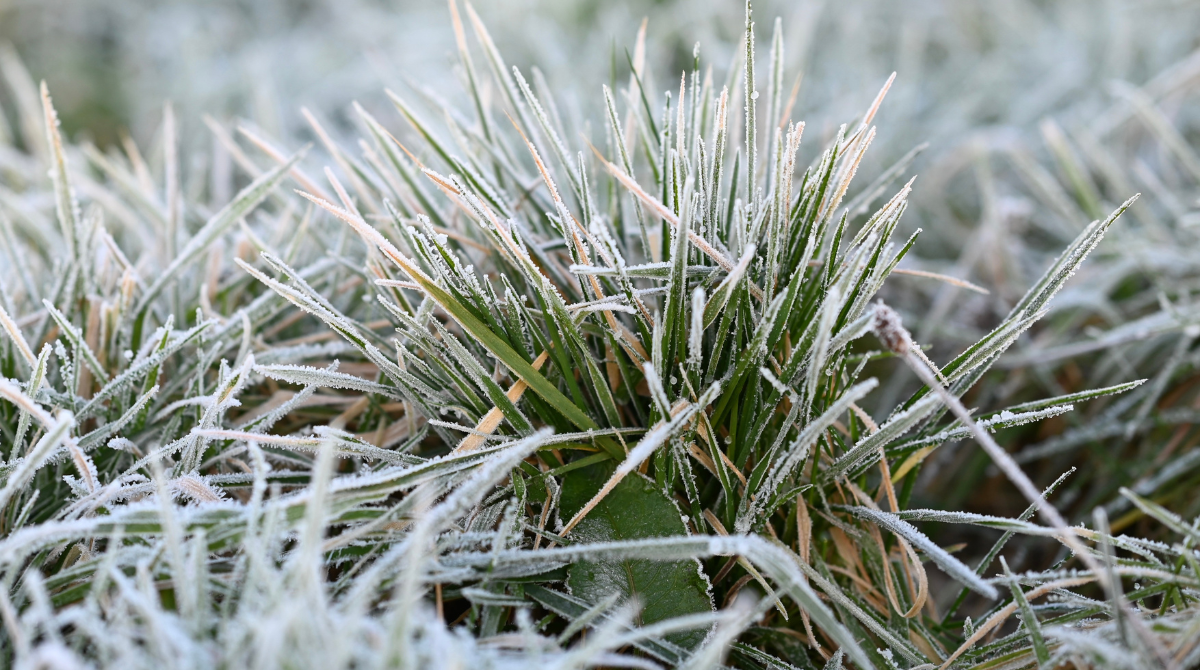
It’s easy to think of winter as a natural pest-control season, a time when the cold just wipes the slate clean. But honestly, that’s not really how it works anymore, especially with our weather doing weird things. Warmer winters are messing with the natural cycles that pests rely on. Think about it: if it doesn't get cold enough for long enough, insects that should be hunkered down or dead might just keep going. This means they can survive longer, reproduce more, and generally just be a bigger nuisance when spring rolls around, or even during the winter itself.
Earlier Emergence Of Pests
Because the cold snaps aren't as harsh or as long as they used to be, many insects are getting confused. They might think it's spring way too early. This can lead to them coming out of their dormant states, or diapause, much sooner than they normally would. This is a big problem because the food sources they need, like flowers for pollinators, might not be ready yet. So, you have these insects out and about with nothing to eat, which is bad for them, and it also means they might be looking for alternative food sources – like your pantry or your garden plants.
Impact On Pollinators And Crops
This whole timing issue really hits pollinators hard. Take bumblebees, for example. The queen bee usually waits for the right time in spring to come out and start a new colony. But if the winter is mild and spring arrives early, she might pop out when there aren't any flowers blooming. She needs food to get her colony going, and if there's nothing to eat, she might not make it, or her new colony will be weak from the start. This has a domino effect. Fewer pollinators mean less pollination for all sorts of crops, from apples to avocados. It’s a real concern for farmers and for the food we eat.
The delicate balance of insect life cycles is being thrown off. What used to be predictable patterns of dormancy and emergence are now unpredictable. This disruption affects not just the insects themselves but also the plants they interact with and the larger food web.
Here’s a quick look at how these changes can play out:
- Milder Temperatures: Insects that would normally die off in a harsh winter survive.
- Early Thaws: Pests emerge from dormancy before their natural food sources are available.
- Unpredictable Freezes: Sudden cold snaps after an early thaw can kill off insects that have already become active.
- Altered Reproduction: Mating and egg-laying cycles can be disrupted, leading to population imbalances.
Milder Melbourne winters allow pests to stay active longer. Paragon closely tracks seasonal changes to adjust prevention methods and treatment timing. Ask Paragon how Melbourne’s winter patterns affect your home.
Melbourne Pest Exterminators: Your Winter Solution
Seasonal Pest Control Expertise
It’s easy to think that when the temperature drops, pests just pack up and leave. But honestly, that’s not really how it works. Many critters are just looking for a warmer spot, and your home or business often fits the bill perfectly. They might not be out in the open like they are in summer, but they’re definitely still around, often hiding in walls, attics, or basements. Rodents, for instance, become a bigger problem as they seek shelter from the cold, and termites don't stop their damage just because it's chilly outside. We understand these winter behaviors, and that’s why we tailor our approach to what’s happening right now.
Tailored Strategies For Your Property
We don't believe in a one-size-fits-all solution, especially when it comes to pests in winter. What works for one house might not work for another, and different pests require different tactics. We look at your specific situation, identify what pests are causing trouble (or might be looking to cause trouble), and then come up with a plan. This might involve sealing up entry points before they even get in, or dealing with an existing problem that’s gone unnoticed.
- Rodent Exclusion: Sealing small gaps and cracks where mice and rats can enter.
- Termite Monitoring: Checking for activity even when it’s cold, as subterranean colonies remain active.
- Stored Product Pest Control: Addressing beetles and moths that thrive in dry goods stored indoors.
- Indoor Insect Management: Dealing with spiders, ants, and other insects seeking warmth.
Addressing Winter Pest Challenges
Winter pest management is about being proactive. It’s not just about reacting when you see a problem, but about preventing one from starting or getting worse. Think of it like winterizing your home – you do it before the cold hits hard. We help you do the same for pest control. Don't let the cold fool you into thinking your property is safe; pests are resourceful survivors. Our goal is to keep your home or business comfortable and pest-free all year round, especially during these colder months.
Winter might seem like a quiet time for pests, but it's often when they're most determined to find a cozy spot inside. Understanding their winter habits is key to keeping them out.
As the weather gets colder, it's the perfect time to think about keeping pests out of your home. Our team in Melbourne is ready to help you tackle any winter pest problems. Don't let unwanted guests ruin your cozy season. Visit our website today to learn how we can protect your home!
Stay Protected All Winter
Winter is when pests are most likely to invade your Melbourne home. Paragon Pest Solution, Inc. delivers year-round protection designed specifically for our local climate.
Schedule your winter pest protection service today and stay pest-free all season.
Frequently Asked Questions
Do pests really disappear in the winter?
It might seem like pests vanish when it gets cold, but they usually just find warmer places to hang out. Many pests, like mice and cockroaches, move inside homes and buildings to escape the chill and find food. So, while you might see fewer bugs outside, they're often still around, just hidden.
Why are mice more of a problem in winter?
As the weather gets colder, mice look for cozy spots to stay warm and find food. Your house or building becomes a perfect shelter. They can squeeze through tiny openings, so it's important to check for and seal up any small cracks or holes where they might get in.
Can termites still cause damage in the winter?
Yes, termites don't stop their destructive work just because it's cold. The main colonies of termites live underground, where it stays warmer. They can continue to eat away at wood, and sometimes, termites can even infest homes from the inside during winter.
What are pantry pests?
Pantry pests are insects like beetles and moths that love to live in stored food products. Think about things like flour, cereal, or dried fruits. They can get into homes and especially warehouses, and because people don't always check stored food closely in winter, these pests can go unnoticed for a while.
How do insects survive the cold weather?
Insects have amazing ways to survive the cold. Some go into a deep sleep called 'diapause,' which is like hibernation, where they need fewer resources. Others produce special natural 'antifreeze' in their bodies to stop them from freezing. Some can even produce proteins that protect their cells from damage.
Why do insects come inside during winter?
Insects look for warmth and food, especially when it gets cold outside. Your home offers a comfortable temperature and often has leftover food crumbs or spills. They might hide in walls, attics, or crawl spaces, staying out of sight but still present.
Is pest control still needed in the winter?
Absolutely! Because many pests move indoors for warmth and food, winter is still a critical time for pest management. It's important to adapt control strategies to deal with these indoor invaders and focus on preventing them from entering in the first place by sealing up entry points.
How does climate change affect winter pests?
Warmer winters can confuse insects. They might come out of their dormant states too early, when there's no food available, or they might not survive sudden cold snaps as well. This can mess up natural cycles and affect everything from crops to the environment.