How Often Should Melbourne Homeowners Get Termite Inspections?
Living in Melbourne means dealing with a climate termites absolutely thrive in, and they don’t wait for an invitation. At Paragon Pest Solution, Inc., we see how quickly hidden termite activity can escalate into costly structural issues for local homeowners. Staying ahead of these pests isn’t just smart; it’s essential for protecting your home’s long-term safety. Schedule a Paragon Termite Inspection today and get ahead of the damage before it starts.
Key Takeaways
- Melbourne’s shifting weather patterns create ideal termite conditions, which is why Paragon Pest Solution, Inc. recommends annual, or sometimes bi-annual, inspections depending on your home’s unique risk factors.
- Most experts suggest getting a professional termite inspection done at least once a year, but this can change based on your home's specific risks.
- Things like having neighbors with termites, older homes, or areas prone to dampness might mean you need inspections more often than just annually.
- Keep an eye out for signs like wood that sounds hollow or visible mud tubes, and don't wait for your scheduled inspection if you spot something suspicious.
- A professional termite inspection involves a detailed look at your property using special tools to find any hidden threats and offers advice on how to prevent future problems.
Understanding Termite Risks In Melbourne
Melbourne's Conducive Climate For Termites
Melbourne isn’t tropical, but its alternating dry summers and damp winters create exactly the kind of environment termites seek out. Paragon technicians often find colonies thriving around fences, decking, and foundation areas where moisture quietly accumulates. Let Paragon check your moisture-risk zones before termites do.
The Hidden Threat Of Termite Damage
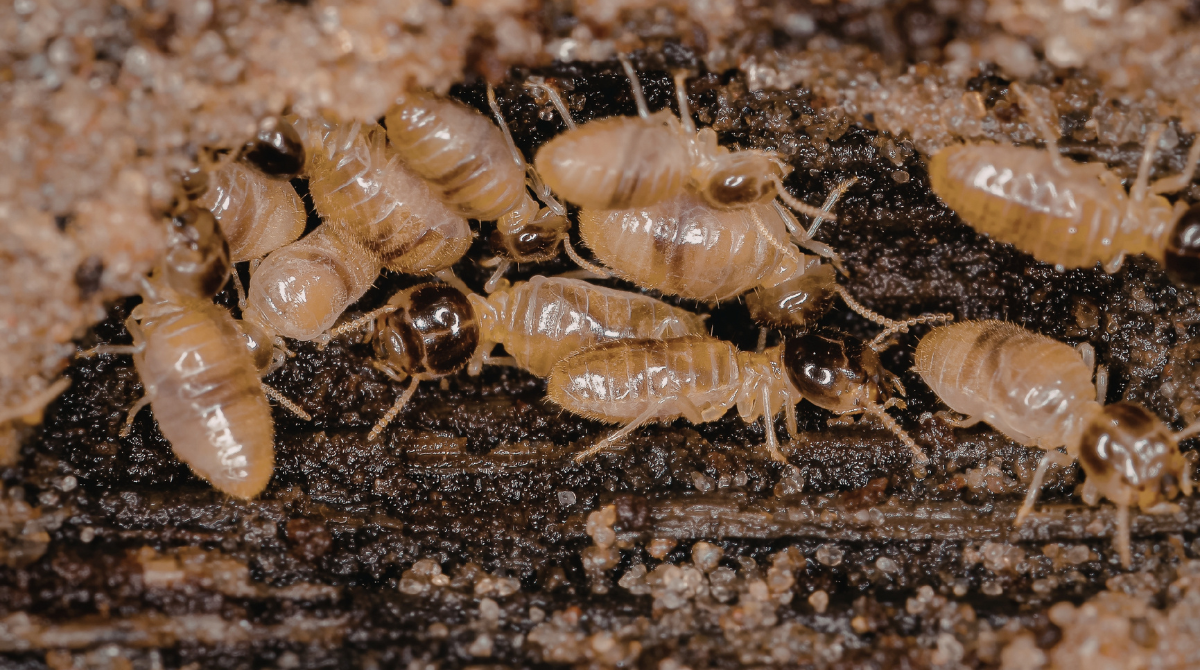
Termites earn their “silent destroyer” nickname for good reason, and Paragon inspectors see the aftermath far too often. Many homeowners don’t notice anything is wrong until sagging floors or buckling walls appear. Regular inspections minimize expensive surprises.
Why Termite Inspections Are Crucial For Melbourne Homes
With termites so common across Melbourne, annual termite inspections from Paragon Pest Solution, Inc. act like a yearly health check for your home. Early detection keeps your property protected and your repair costs low.
Recommended Frequency For Termite Inspections
So, how often should you really be getting a termite inspection in Melbourne? It’s not a one-size-fits-all answer, but there are some solid guidelines to follow. Most experts agree that an annual inspection is the baseline for most homes. Think of it like your yearly dental check-up – you don't wait until you have a toothache, right? Same idea here. Catching things early is key.
The Annual Termite Inspection Standard
For most Melbourne homes, Paragon recommends a minimum of one termite inspection per year. This ensures our technicians can monitor any new activity before it spreads to hidden areas.
When More Frequent Inspections Are Necessary
For high-risk homes, areas with past infestations, moisture issues, or dense landscaping, Paragon may recommend inspections every six months. Increased vigilance now prevents thousands in structural repairs later.
Understanding Inspection Intervals For Different Property Types
- Newer Constructions: Even new homes aren't completely immune. If there's a lot of landscaping, recent timber work, or moisture issues near the foundation, annual inspections are still a good idea.
- Older Homes: These can be more vulnerable due to age and potential past issues. Regular checks are definitely recommended, and sometimes more often than annually if there's a history.
- Rental Properties: Landlords have a responsibility here. Annual inspections are generally expected, and more often in high-risk zones, to protect both the investment and the tenants.
The climate in Melbourne can be quite inviting for termites, especially during warmer months. This means that even if you haven't seen any signs, they could be lurking. Regular inspections are your best defence against these persistent pests, helping to protect the structure and value of your home.
Factors Influencing Inspection Schedules
So, you're wondering how often you really need to get that termite check-up? While the general advice is often an annual inspection, it's not a one-size-fits-all situation. Several things can bump up the urgency for more frequent visits from your pest control professional.
Proximity To Existing Infestations
Think of it like this: if your neighbour is dealing with a termite problem, your house might be next on their menu. Termites can travel a fair distance from their original nests to find new food sources. If you know there's an active infestation nearby, it's wise to shorten the time between inspections. We're talking about potentially needing checks every six months instead of the usual year, just to be safe.
High-Risk Geographic Locations
Some parts of Melbourne are just more prone to termite activity than others. Areas with lots of established trees, or where termite colonies are already known to be thriving, put your property at a higher risk. If you live in one of these hotspots, sticking to a strict annual inspection might not be enough. You might want to consider bi-annual checks, or even more frequent ones if other risk factors are present.
A Property's History Of Termite Problems
Has your home ever had termites before? If the answer is yes, then you're in a higher risk category. Even if the previous infestation was treated, termites can sometimes find their way back, or new ones can move in. Properties with a known history of termite issues often benefit from more frequent inspections, perhaps every six to twelve months, to catch any returning problems early before they cause significant damage. It's about staying one step ahead.
It's easy to think that once termites are gone, they're gone for good. But these persistent pests can be incredibly resilient. Previous infestations can leave behind subtle signs or attract new colonies, making proactive monitoring even more important for homes with a history of termite activity. Don't let complacency set in; regular checks are your best defense.
Here's a quick rundown of how these factors might affect your schedule:
- Neighboring Infestation: Increase frequency (e.g., every 6 months).
- High-Risk Area: Consider bi-annual inspections (every 6-12 months).
- Past Termite Issues: Stick to a 6-12 month inspection cycle.
- No Known Issues: Annual inspections are generally sufficient, but always stay vigilant.
Recognizing Signs Of Termite Activity
Spotting termites before they cause major damage is key. While these pests are sneaky, there are often clues they leave behind. Being aware of these signs can help you catch an infestation early.
Visible Indicators Of Termite Presence
Termites rarely make themselves known, which is why Paragon urges homeowners to act fast if they spot mud tubes, frass, discarded wings, or hollow-sounding timber. These early clues signal active colonies nearby. See something suspicious? Contact Paragon for an immediate on-site evaluation.
The Sound Of Hollow Wood
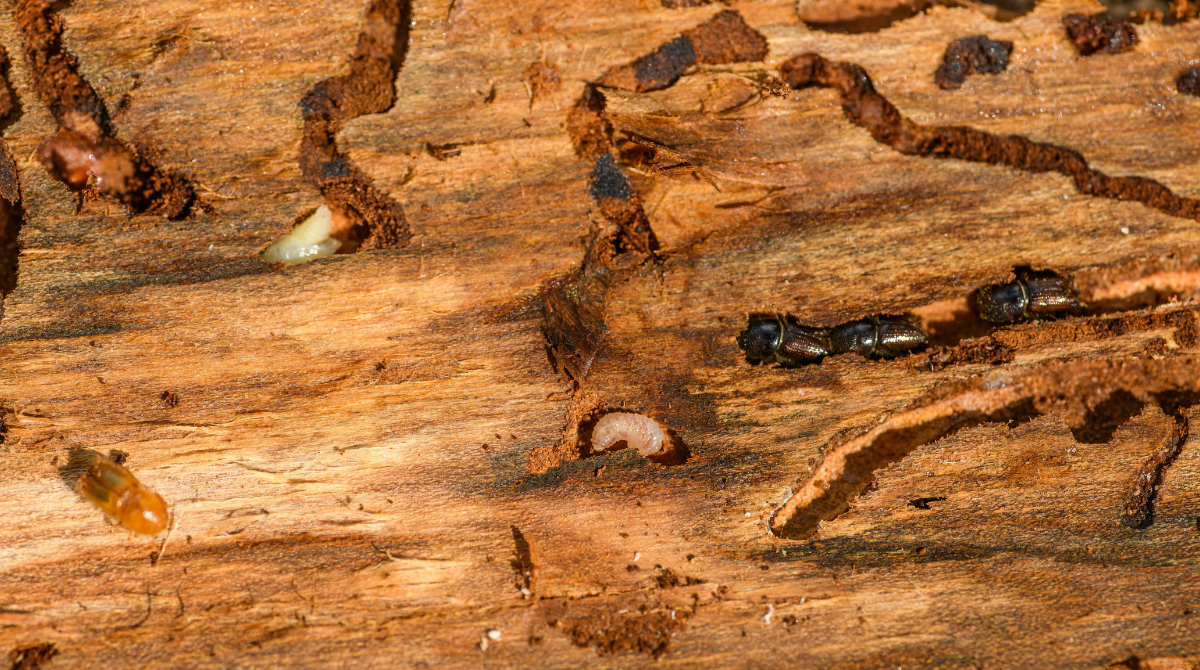
One of the more subtle, yet telling, signs of termite activity is the sound your wood makes. If you tap on a piece of wood that has been infested, it might sound hollow. This is because termites eat wood from the inside out, creating tunnels and galleries within the timber. This internal damage weakens the wood, and the hollow sound is a direct result of their destructive feeding habits. It's a bit like tapping on a drum – the sound changes when the inside isn't solid. This is why regular termite inspections are so important; a professional can identify this subtle damage that you might miss.
When To Schedule An Immediate Inspection
Don't wait if you see any of these red flags. An immediate inspection is warranted if you notice:
- Mud tubes on your foundation, walls, or other structures.
- Discarded wings near windows, doors, or light sources.
- Wood that sounds hollow when tapped.
- Buckling or sagging floors and ceilings.
- Maze-like patterns or tunnels within damaged wood.
- Small holes in drywall or wood surfaces, often accompanied by frass.
If you suspect termites, it's best to act fast. The longer you wait, the more damage they can do, and the more expensive the repairs will be. Professional pest control services have the tools and knowledge to accurately identify the extent of the problem and recommend the right course of action.
Remember, a professional termite inspection is the most reliable way to detect and address termite problems. While DIY checks can help you stay vigilant, they don't replace the thoroughness of an expert's assessment.
What Professionals Look For During Inspections
When a Paragon Pest Solution technician arrives, they perform a structured, top-to-bottom inspection using specialized moisture meters, thermal cameras, and termite-movement detectors. Our process ensures no hidden colony goes unnoticed.
Thorough Examination Of Entry Points
Professionals pay close attention to how termites might be getting into your home. They'll check for any small cracks or gaps in the foundation, walls, or around pipes where these pests could squeeze through. Even tiny openings can be an invitation for termites, especially if there's moisture nearby. They're looking at:
- Gaps where walls meet foundations.
- Cracks in concrete slabs.
- Areas where utility lines enter the house.
- Any openings around windows and doors.
Assessing Moisture Levels And Wood Condition
Termites love damp environments and wood that's starting to show signs of decay. Inspectors use special tools to measure moisture levels in different parts of your home, like behind walls or under floorboards. High moisture readings can indicate leaks or condensation issues that make the wood more appealing to termites. They'll also check the condition of wooden structures, looking for any signs of rot or damage that might already be present.
Utilizing Specialized Detection Tools
While a good visual inspection is key, professionals also bring along some high-tech gear to help them find hidden problems. These tools can detect things that aren't visible to the naked eye:
- Moisture Meters: These devices help pinpoint areas with excess dampness, a common attractant for termites.
- Thermal Imaging Cameras: These cameras can detect temperature differences in walls, which might indicate the presence of termite colonies or their activity behind the surface.
- Termite Detectors (like Termatrac): Some advanced tools can actually detect the movement of termites through wood or mud tubes, even when they're hidden from view.
Professionals are trained to interpret the readings from these tools in the context of your home's structure and environment. It's this combination of trained observation and technology that makes their inspections so effective at finding potential problems early on.
Termite Inspections For Specific Property Types
Protecting Newer Constructions
Paragon regularly inspects everything from new builds to century-old homes. Newer constructions often hide moisture from landscaping or foundational settling, while older homes may contain untreated timber or historical vulnerabilities.
Not sure how old your termite protection is? Paragon can verify it for you.
Addressing Risks In Older Homes
Older homes often have more nooks and crannies where termites can hide, and they might have a history of past infestations. If termites have been a problem before, or if there are areas that weren't fully treated, the risk goes up. For these properties, sticking to a regular inspection schedule, maybe even every six months if there's a known issue, is really important. It's not just about finding them, but about making sure they haven't found their way back in. A history of termite problems means you need to be extra vigilant.
Landlord Responsibilities For Rental Properties
When you own a rental property, keeping it termite-free is part of looking after your investment and making sure your tenants have a safe place to live. Landlords should arrange for regular inspections, usually annually, or more often if the property is in a high-risk area. It’s also super important for tenants to report any signs of termites they spot right away. This way, landlords can deal with any potential issues before they turn into big, expensive problems. Using termite monitors can also give both parties peace of mind, knowing that the property is being checked regularly for signs of termite activity.
The Impact Of Environmental Factors
Melbourne’s rainfall patterns, humidity, and soil conditions directly influence termite movement. Paragon tracks these environmental shifts year-round to help homeowners time their inspections strategically.
How Climate Affects Termite Behavior
Melbourne's climate, with its warm summers and cooler, wetter winters, creates a bit of a cycle that termites can take advantage of. While it's not as extreme as the tropics, these conditions can still be quite inviting. Hot, dry spells might make them seek out moisture, and then the wetter periods can bring them closer to homes. This constant shift in moisture levels is a key factor. It means that even if you don't see them one month, they could be more active the next, especially if there's been a lot of rain.
The Role Of Dampness And Water Damage
Termites really love moisture. If your home has any areas where water tends to collect or linger – think leaky pipes, poor drainage around the foundation, or even just dense garden beds right up against the house – you're basically rolling out the welcome mat. Water damage, whether from a plumbing issue or a heavy downpour, can create the perfect dark, damp environment for termites to thrive. It's often after a water event that people discover they have a termite problem, so it's worth being extra vigilant then. Keeping an eye on moisture levels is a smart move.
Seasonal Variations In Termite Activity
While termites can be a problem year-round in many parts of Australia, their activity can definitely ramp up or down with the seasons. In Melbourne, you might notice them being more active during warmer, wetter periods. This is when they're typically foraging for food and expanding their colonies. Conversely, very cold or dry spells might slow them down, but they're usually just lying low, waiting for conditions to improve. Understanding these seasonal shifts can help you time your inspections more effectively, perhaps scheduling them for periods when termite activity is known to be higher.
Beyond The Standard Inspection Schedule
While the standard annual termite inspection is a solid baseline for most Melbourne homeowners, sometimes life throws you a curveball, and you need to think about checking in more often. It’s not always about sticking to a rigid calendar; it’s about being smart and observant.
Responding To Early Warning Signs
Sometimes, you might notice little things around the house that just don't feel right. Maybe you see a few more dead insects than usual, or you hear a faint rustling sound that seems out of place. These aren't necessarily termites, but they could be hints that something's up. Don't just brush them off. It's better to be a bit cautious and get a professional to take a look. They can tell you if it's just a minor issue or if it's something that needs immediate attention. Catching a problem early can save you a lot of headaches and money down the track.
The Importance Of Termite Barriers
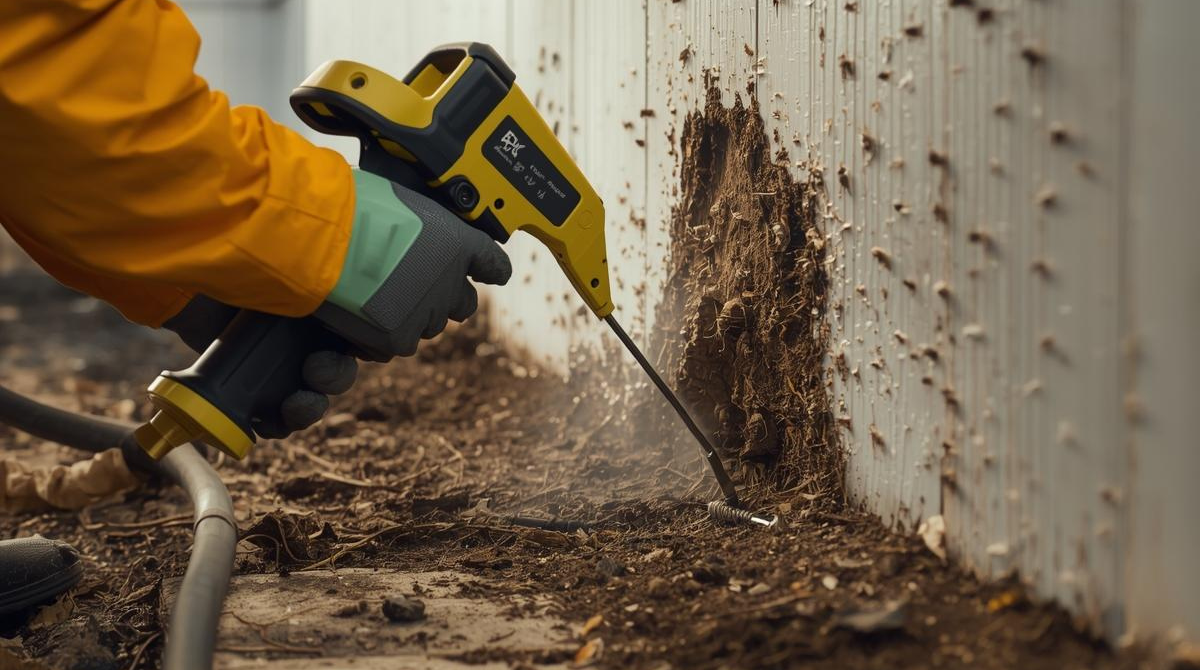
Termite barriers are like a protective shield for your home. They create a zone that termites find difficult or impossible to cross. While these barriers are designed to be long-lasting, they aren't invincible. Over time, things like soil disturbance, heavy rain, or even just the general aging of materials can compromise their effectiveness. Regular checks of your barrier system are a smart move, especially if you live in a high-risk area. A professional can assess if the barrier is still intact and doing its job properly. It’s a proactive step to keep your home safe from unwanted guests.
When To Consider Six-Month Check-ups
So, when does an annual check-up just not cut it? There are a few situations where you might want to think about getting a termite inspection every six months instead of just once a year. This is especially true if:
- You live in an area known for high termite activity.
- Your home has a history of termite infestations.
- You've recently had termite treatment and want to monitor its effectiveness.
- Your property has features that termites love, like extensive timber landscaping or a lot of damp areas.
Think of it like this: if your home is in a particularly vulnerable spot, you wouldn't wait a whole year to check if your car's brakes are still working perfectly, right? It's the same principle. A more frequent inspection schedule provides an extra layer of security for your valuable home.
The Value Of Professional Termite Services
Look, nobody wants to think about termites munching away at their house. It’s a bit of a nightmare scenario, right? But here’s the thing: trying to spot these pests yourself can be like looking for a needle in a haystack. Professional termite services bring a level of detail and knowledge that just isn't available to the average homeowner. They’re trained to see the subtle signs, the tiny mud tubes, the faint sounds of chewing, and the environmental factors that make your home a termite buffet.
Identifying Timber Pests and Decay
Termite professionals are essentially detectives for your home’s wooden structures. They know the difference between general wood decay and specific termite damage. They can identify various types of timber pests, not just termites, and understand how each one operates. This means they can spot issues that might look like minor wear and tear to you but are actually early indicators of a serious infestation. They’ll check areas you’d never think to look, like inside wall cavities or under floorboards, using specialized tools to get a clear picture.
Assessing Property Vulnerability
Your home isn't just a building; it's a unique ecosystem. Professionals look at your property's specific vulnerabilities. This includes things like:
- Moisture Levels: Damp areas are a termite magnet. Inspectors check for leaks, poor drainage, and high humidity.
- Soil-to-Timber Contact: Wood touching the ground is an open invitation for termites.
- Cracks and Gaps: Small openings in foundations or walls can be entry points.
- Surrounding Landscape: Trees, mulch, and firewood piles near the house can attract termites.
They consider how these factors combine to create a risk profile for your specific property. This detailed assessment is something you can't easily replicate with a DIY approach. It’s about understanding the why behind potential termite problems, not just the what.
Developing a Timber Pest Management Plan
Once a professional has assessed your property, they don't just leave you with a list of problems. They help create a plan. This might involve immediate treatment if an infestation is found, but it also includes preventative measures. They can advise on how to make your home less attractive to termites and recommend ongoing inspection schedules tailored to your risk level. This proactive approach is key to long-term protection. For instance, they might suggest installing a termite barrier or setting up regular baiting systems. Getting a professional home inspection is a smart move for understanding your property's condition thoroughly.
Relying solely on visual checks between professional visits can leave you exposed. Termites are masters of concealment, and their damage can be extensive before it's obvious. A professional service provides the expertise and tools needed for early detection and effective management, saving you significant stress and expense down the line.
Understanding Termite Inspection Reports
So, you've had a termite inspection done. What happens next? Well, you'll get a report, and it's actually pretty important. Think of it as the doctor's notes after a check-up, but for your house and termites. It tells you what the inspector found, what it means, and what you should probably do about it.
Details of Visual Evidence
The report will lay out exactly what the inspector saw. This isn't just a quick glance; they're looking for specific things. They'll note any signs of live termites, like actual bugs or their mud tubes. They'll also document evidence of past activity, like old mud trails or damaged wood that's already been chewed. It's all about painting a clear picture of what's going on, or has gone on, with these pests in your home. They'll often include photos too, which really helps you see what they're talking about.
Assessment of Visible Damage
Beyond just spotting termites, the report details any damage they've caused. This could be anything from obvious holes in timber to more subtle signs. Sometimes, floors might feel a bit bouncy, or doors and windows might not close properly anymore – these can be indicators. The inspector will assess the extent of this damage. It's vital to understand that termite inspections are primarily visual, meaning inspectors can't just start ripping into walls, but they use tools to help spot issues. They'll look at things like timber condition and might use a moisture meter to check for dampness that termites love. They might also use a tapping rod to listen for hollow sounds in the wood, which suggests termites have been feasting inside.
Recommendations for Property Improvement
This is where the report becomes actionable. Based on their findings, the inspector will provide recommendations. These aren't just generic tips; they're tailored to your specific situation. They might suggest ways to fix current problems, like treating an active infestation or repairing damaged timber. More importantly, they'll advise on how to make your home less attractive to termites in the future. This could involve things like:
- Improving drainage around your home
- Fixing leaky pipes or gutters
- Ensuring there's no direct contact between soil and timber structures
- Clearing away debris that termites can hide in
Sometimes, they might even suggest a more detailed plan, like installing a termite barrier, to offer long-term protection. It's all about preventing future headaches and protecting your investment. If you're concerned about potential termite issues, getting a professional termite inspection is a smart first step.
Understanding your termite inspection report is key to knowing what's going on with your home. These reports lay out any signs of termites and where they might be hiding. Don't let termites cause damage; get a professional inspection today. Visit our website to learn more and schedule your inspection!
Wrapping Up: Your Home's Best Defense
Keeping termites out of your Melbourne home starts with proactive protection, and Paragon Pest Solution, Inc. is here to help you stay ahead of costly surprises. Whether you’re due for your annual inspection or concerned about recent activity, our licensed technicians will ensure your home stays safe, sturdy, and termite-free. Ready for peace of mind? Book your Paragon Termite Inspection today.
Frequently Asked Questions
How often should I get a termite inspection in Melbourne?
It's generally a good idea to get a termite inspection at least once a year. Melbourne's weather can be quite inviting for termites, so a yearly check-up helps catch any problems early before they cause big damage.
What makes Melbourne a high-risk area for termites?
Melbourne has a climate with warm summers and sometimes damp winters, which termites really like. This means they can be active for a good part of the year, looking for homes to munch on.
What are the signs that I might have termites?
Look out for things like wood that sounds hollow when you tap it, mud tunnels on walls or foundations, or even discarded wings near windows. If you see any of these, it's time to call a professional right away.
What does a termite inspection involve?
A professional inspector will carefully check your whole house, inside and out, including the roof and under the floor. They look for any signs of termites, like mud tubes or damaged wood, and use special tools to find hidden problems.
Do new homes need termite inspections too?
Yes, even new homes can get termites, especially if there's dampness or wood near the building. An annual inspection is still recommended to keep your new place safe.
What if my neighbor has termites?
If a nearby house has termites, your home is at higher risk because termites can travel. It's smart to get an inspection done sooner rather than later if you hear about termite problems in your area.
Why are regular inspections important if I don't see any termites?
Termites are sneaky! They can cause a lot of damage inside walls or under floors without you knowing. Regular inspections are like a health check for your home, finding problems when they're small and easier to fix.
What happens after a termite inspection?
You'll get a report detailing any findings, like signs of termites, damage, or areas that are more likely to attract them. The inspector will also suggest ways to fix any issues and protect your home from future attacks.