Lawn Pest & Weed Control Mistakes Florida Homeowners Make in Winter
Winter in Florida may be mild, but your lawn still needs care and protection, especially from pests and weeds that stay active year-round. At Paragon Pest Solution, we see homeowners run into the same preventable winter lawn issues that lead to costly spring damage. Understanding these mistakes now can keep your lawn healthier, stronger, and better prepared for the warmer seasons ahead.
Key Takeaways
- Overwatering in winter encourages pests, fungus, and root rot—issues Paragon treats often during cooler months.
- Keeping your grass slightly taller protects roots and reduces winter weed pressure.
- Florida pests and weeds stay active in winter—preventive control is essential.
- Winter fertilization should focus on root strength, not cosmetic greening.
- Clearing debris helps Paragon’s treatments work more effectively by improving airflow and reducing fungal conditions.
- Protect your lawn this winter with Paragon’s Winter Lawn Health Program
Overwatering Your Lawn During Cooler Months
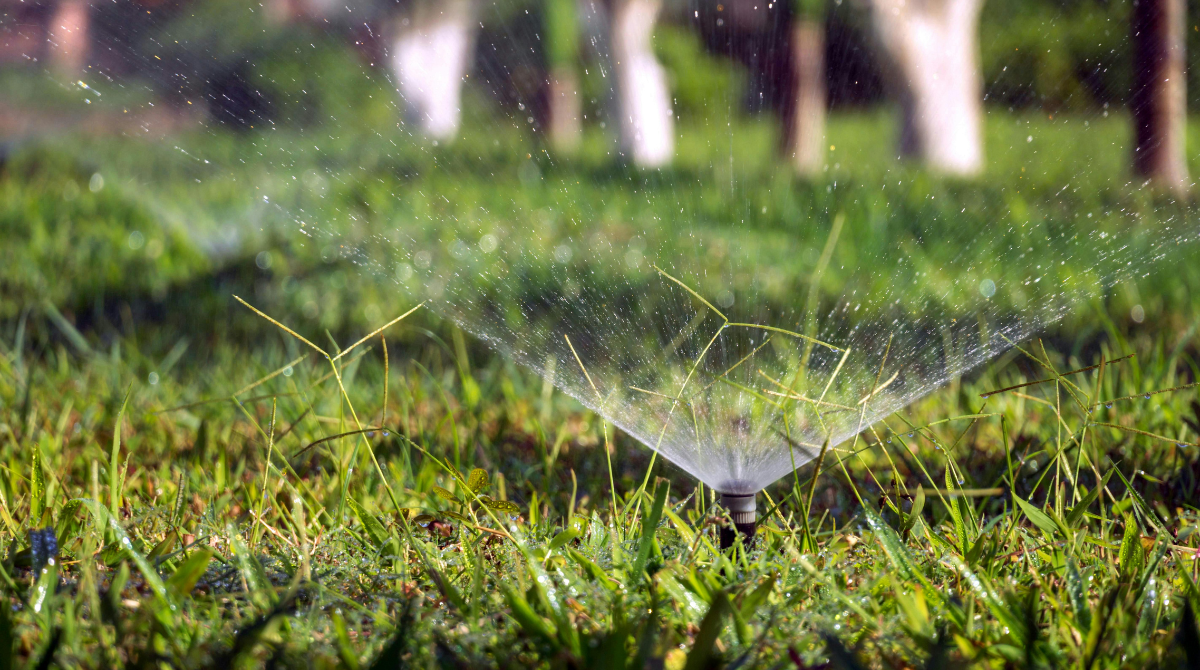
Overwatering is one of the top winter mistakes we see during Paragon service visits. Florida lawns simply don’t need summer-level watering when temperatures dip. Too much moisture creates stress that attracts pests, triggers fungal disease, and weakens the turf, making spring recovery much harder.
Understanding Winter Watering Needs
Warm-season grasses like St. Augustine, Zoysia, and Bahia naturally slow their growth when temperatures fall below ~55°F. At Paragon Pest Solution, we recommend shifting to deep, infrequent watering, typically every 10–14 days depending on rainfall. The goal is moisture balance, not saturation, to support root health without encouraging pests.
Consequences of Excessive Irrigation
When you overwater, you're essentially drowning your grass. This can lead to root rot, making it hard for the grass to take up any nutrients. It also creates a perfect environment for fungal diseases like brown patch and dollar spot to take hold. Plus, soggy soil can attract pests. It’s a whole domino effect of problems that could have been avoided with a little less water. Constantly wet conditions are a major invitation for trouble.
Adjusting Sprinkler Systems for Seasonality
This is where many homeowners drop the ball. You can't just set it and forget it, especially when the seasons change. Take a look at your sprinkler timer and adjust the frequency and duration. If you've had a good bit of rain, you might not need to run the sprinklers at all for a week or more. It's a good idea to check your system periodically and make manual adjustments based on the actual weather. Some people even use rain sensors or smart controllers to help automate this process, which can be a real lifesaver.
Here's a quick rundown of what to consider:
- Check the Weather: Don't water if rain is in the forecast or if you've had significant rainfall recently.
- Reduce Frequency: Cut back watering to once every 10-14 days, or as needed.
- Water Deeply: When you do water, let the system run long enough to moisten the soil several inches down.
- Observe Your Lawn: Look for signs of drought stress (like wilting or a dull color) before watering.
Overwatering in winter can weaken your lawn's root system, making it more susceptible to cold damage and diseases. It's better to err on the side of caution and water less frequently during the cooler months.
Improper Mowing Height Mistakes
The Pitfalls of Cutting Grass Too Short
It might seem like a good idea to keep your grass trimmed short, especially when growth slows down in the cooler months. Some folks think it looks neater, or maybe they believe it means less work. But here's the thing: cutting your lawn too short during winter is a pretty common mistake that can really set your grass up for trouble. When you scalp your lawn, you're not just removing the green blades; you're also stressing out the plant and exposing its roots. This makes it harder for the grass to get the energy it needs to survive the cooler weather and can leave it wide open for weeds to move in. Think of it like taking away a plant's coat right before a cold snap – it's just not prepared.
Benefits of Taller Winter Grass
Leaving your grass a little taller in the winter actually offers some real advantages. For starters, those longer blades help protect the root system from the cold. They also create a bit of shade for the soil, which helps it hold onto moisture better, something that's still important even when it's cooler. Plus, taller grass means more surface area for photosynthesis, allowing the plant to store up energy for the spring. It's like giving your lawn a little extra padding and food reserves before it has to go into its dormant phase. For St. Augustine grass, for example, keeping it around 3.5 to 4 inches is often recommended during these months.
Maintaining Consistent Mowing Schedules
Even though your grass isn't growing like a weed in the winter, it's still a good idea to keep up with mowing, just less frequently. The goal isn't to keep it super short, but to maintain a healthy height. If you're unsure about the right height for your specific type of grass, it's worth looking that up or asking a local lawn care pro. The main takeaway here is to avoid that final, super-short mow before winter. Instead, aim for a slightly taller cut that helps your lawn stay healthy and ready for whatever the cooler months throw at it. It’s about setting your lawn up for success, not just making it look tidy for a week.
Cutting your grass too short in winter weakens the turf, exposes the roots to stress and cold damage, and creates an easy entry point for weeds. A slightly taller grass height provides better protection for the root system and helps retain soil moisture, which is vital for the lawn's overall health during the dormant season.
Neglecting Winter Lawn Pest and Weed Control
At Paragon, we remind homeowners that Florida pests don’t take a winter vacation. Chinch bugs, sod webworms, and even grubs remain active enough to cause damage, especially in lawns already stressed by watering or mowing mistakes. Winter is one of the most important times to stay consistent with pest monitoring.
Pest Activity in Cooler Temperatures
Just because it's cooler doesn't mean everything stops. Pests like chinch bugs and even some types of grubs can still be active, especially if your lawn is already a bit stressed. They might not be reproducing as fast, but they can still munch away and cause damage, particularly to certain grass types like St. Augustine. If your lawn is already dealing with other issues, like too much water or not enough nutrients, these pests can take advantage and really weaken your turf. Keeping an eye out for small, dead patches is key.
Preventive Measures for Common Pests
So, what can you do? A little bit of prevention goes a long way. Think of it like this: you wouldn't wait for a flood to build a sandbag wall, right? The same applies to your lawn. Applying a preventive treatment in the early winter can stop many common pests before they even become a problem. This is often more effective and less work than trying to get rid of them once they've established themselves. It's also a good idea to make sure your lawn isn't overwatered, as too much moisture can attract certain pests and diseases. Improving drainage if your lawn tends to stay soggy is a smart move.
The Importance of Proactive Weed Management
Weeds are another winter headache. While some weeds die off, others, especially cool-season weeds, see winter as their prime time to spread. If you let them get a foothold now, they'll compete with your grass for water and nutrients, and they'll be even harder to get rid of come spring. Applying a pre-emergent herbicide early in the season can stop weed seeds from even sprouting. For any weeds that do pop up, spot-treating them with a post-emergent herbicide that's safe for your grass type is the way to go. It’s all about staying ahead of the game and not letting these invaders take over your lawn.
Here’s a quick look at some common winter weeds in our area:
- Chickweed: A low-growing weed that forms dense mats.
- Dollarweed: Recognizable by its round, scalloped leaves.
- Clover: Small, three-leafed plants that can spread quickly.
Dealing with these proactively means your grass has a better chance to thrive when spring rolls around.
Missteps in Winter Fertilization
Timing is Everything for Lawn Feeding
Lots of folks think that because it's cooler, their lawn doesn't need any food. But here's the thing: even when grass growth slows down, the roots are still working hard underground. Applying fertilizer at the wrong time, or not at all, can really mess things up for your lawn's health. The biggest mistake is fertilizing too late in the season or, conversely, not fertilizing enough in the fall to prepare for winter. If you put down a quick-release nitrogen fertilizer too late, it can push out weak, tender top growth that just can't handle the cold snaps. This tender growth is also way more likely to get hit by fungal diseases. It's basically a waste of nutrients because the grass isn't in a prime growing state to use them effectively.
Choosing the Right Fertilizer for Winter
When it comes to feeding your lawn in the cooler months, you can't just grab any bag off the shelf. You need to think about what the grass actually needs. Instead of focusing on greening up the blades, the goal in late fall and early winter should be strengthening the root system. This means looking for fertilizers that are higher in potassium. Potassium helps the grass build up its defenses against cold, drought, and disease. Slow-release formulas are also your friend here, as they provide nutrients gradually without shocking the system. Think of it as a long-term investment in your lawn's resilience, not a quick fix.
Focusing on Root Strength Over Top Growth
During the fall and early winter, your lawn is busy storing energy and building a strong foundation for the spring. Fertilizing at this time should support that process. A good fall application, often called a 'winterizer,' is designed to do just that. It helps the grass develop a deeper, more robust root system. This is super important because those strong roots will be the ones drawing up water and nutrients when the weather warms up and growth really kicks in. Pushing for a lot of green top growth in winter is counterproductive; it uses up energy that should be going into root development and makes the plant more vulnerable. So, when you're looking at fertilizer options, always ask yourself: 'Is this going to help my roots get stronger?'
Here's a quick look at what to aim for:
- Late Fall (October-November): Apply a slow-release fertilizer with a good amount of potassium. This is your main winter prep feeding.
- Early Winter (if needed): If your lawn looks particularly stressed and you've had a soil test, a very light application of a balanced, slow-release fertilizer might be considered, but generally, avoid heavy feeding.
- Spring (March-April): This is when you'll switch to a nitrogen-heavy fertilizer to encourage that vibrant green growth.
It's easy to get caught up in wanting a perfectly green lawn all year round, but winter is a time for rest and preparation for the grass. Trying to force growth with the wrong kind of fertilizer can do more harm than good. Focus on building that underground strength, and your lawn will thank you come spring.
Skipping Essential Seasonal Cleanups
Even though Florida doesn't get buried under snow like up north, our lawns still collect a bunch of stuff over the year. Think twigs, pine needles from those beautiful trees, and just general dead plant bits. When all this piles up, it can really smother your grass. It blocks out the sunlight your lawn needs, even in winter, and it traps moisture. This damp, dark environment is basically an open invitation for mold and other lawn diseases to set up shop.
The Impact of Debris on Lawn Health
That layer of fallen leaves and other organic matter isn't just unsightly; it's actively harmful. It prevents air from circulating around the grass blades and soil. This lack of airflow can lead to a buildup of thatch, which is a spongy layer of dead and living plant material. A thick thatch layer can choke out healthy grass and create the perfect breeding ground for pests and diseases. It's like putting a blanket on your lawn that's too heavy and too wet.
Improving Airflow and Sunlight Penetration
Taking the time to clear away this debris is surprisingly important. It lets your grass breathe and get the light it needs to stay as healthy as possible during the cooler months. A simple raking or mulching of leaves can make a big difference. If you've got a lot of pine needles, they can be a bit tougher to deal with, but getting them off the lawn is key. This simple act helps prevent the lawn from becoming stressed and weak, setting it up better for the spring growth spurt. For persistent debris issues, consider professional lawn care services that can handle seasonal yard cleanups.
Preventing Mold and Disease Through Cleanup
One of the biggest benefits of a good winter cleanup is disease prevention. Damp, decaying organic matter is a prime spot for fungal diseases to take hold. By removing this material, you significantly reduce the risk of common winter lawn problems like brown patch or dollar spot. It's a proactive step that saves you potential headaches and costs down the line. Think of it as giving your lawn a clean slate for the new year.
Incorrect Weed Eradication Tactics
Leaving Roots Behind During Manual Removal
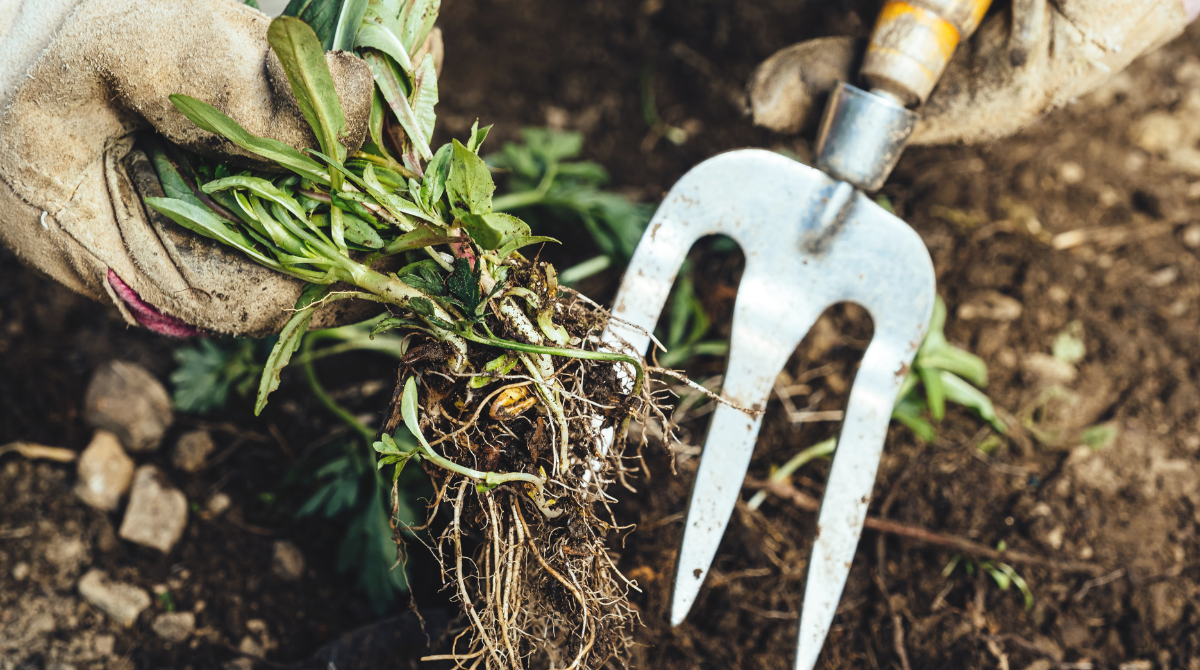
So, you've spotted some pesky weeds popping up in your lawn, and your first instinct is to just yank them out, right? It seems like the easiest way to get rid of them. But here's the thing: if you're not getting the entire root system out, you're basically just giving that weed a second chance to grow back. It’s like cutting the top off a dandelion – the rest of it is still down there, ready to sprout again. This is super common, especially with weeds that have deep taproots or spreading root systems. You might think you're making progress, but you're really just setting yourself up for more work down the line. It’s all about getting the whole plant, roots and all, if you want it gone for good.
Identifying and Using Appropriate Weed Killers
When pulling weeds isn't cutting it, many folks reach for a weed killer. But not all weed killers are created equal, and using the wrong one can be a real headache. You've got different types of weeds – broadleaf, grassy, annuals, perennials – and they all react differently to various chemicals. Using a general-purpose spray might kill some weeds but leave others untouched, or worse, it could harm your lawn grass. It’s important to know what kind of weed you’re dealing with before you grab that spray bottle. Sometimes, a pre-emergent herbicide applied early in the season is better than trying to kill weeds after they've already established themselves. Think of it like choosing the right tool for the job; you wouldn't use a hammer to screw in a bolt, would you?
The Risk of Damaging Grass During Treatment
This is a big one. Even when you use the right weed killer, applying it incorrectly can seriously damage your lawn. Maybe you spray too close to the grass, or you use a stronger concentration than recommended. Some weed treatments are designed for specific types of grass, and using them on the wrong kind can cause yellowing, browning, or even kill patches of your lawn. Timing is also key here. Applying treatments during extreme heat or drought can make your grass more susceptible to damage. It’s a delicate balance, and sometimes, a less aggressive approach, like spot-treating only the weeds, is a safer bet than trying to blanket the entire yard.
Here’s a quick rundown of common mistakes:
- Pulling weeds without removing the entire root system.
- Using a generic weed killer when a specific type is needed.
- Applying herbicides at the wrong time or in the wrong concentration.
- Not identifying the weed type before choosing a treatment.
Trying to get rid of weeds can feel like a constant battle. If you're not careful, you can end up doing more harm than good to your lawn. It’s easy to make mistakes, especially when you're not sure what you're dealing with. Taking a moment to identify the problem and choose the right solution can save you a lot of trouble later on.
Overlooking Pests and Diseases in Winter
Just because the temperatures dip doesn't mean your lawn can relax completely. Florida's winter might be mild, but it's still a prime time for certain lawn pests and diseases to take hold, especially if your grass is already stressed. Many homeowners mistakenly think winter means a break from these issues, but that's a common oversight that can lead to problems come spring.
Common Winter Lawn Diseases
Cooler temperatures and increased moisture, often from overwatering, create a perfect breeding ground for fungal diseases. You might notice:
- Brown Patch: This shows up as circular patches of brown or yellowish grass. It's often caused by excessive moisture and can spread quickly.
- Dollar Spot: These are small, distinct patches of dead grass, about the size of a silver dollar. They can make your lawn look like it has a bad case of the measles.
- Gray Leaf Spot: While more common in warmer months, it can still pop up in milder winters, affecting St. Augustine grass with bleached-out spots on the blades.
It's easy to dismiss these as just 'winter dormancy' or 'dead grass,' but often, it's an underlying disease that needs attention. Ignoring it now means a much bigger battle later.
Identifying Signs of Pest Infestation
Pests don't hibernate in Florida the way they do up north. Insects like chinch bugs and sod webworms can still be active and cause damage, particularly to stressed lawns. Keep an eye out for:
- Irregular Dead Patches: Especially in sunny areas, these can indicate chinch bug activity. They suck the life out of grass blades.
- Webbing or Moth Activity: Sod webworms can leave behind small, irregular brown spots and sometimes you'll see tiny moths flying around at dusk.
- Grub Damage: While less common in winter, grubs can still be present and cause sections of your lawn to lift up easily, like a carpet.
Regularly walking your lawn and looking closely at the grass blades and soil can help you spot these issues early. A quick check might save you a lot of trouble. If you're concerned about termites, remember that annual termite inspections are a good idea for Melbourne homes due to the year-round favorable climate for these pests annual termite inspections.
Preventive Strategies Against Fungal Issues
The best defense against winter diseases is often good cultural practices. Focus on:
- Watering Wisely: This is probably the biggest factor. Water only when necessary, typically once or twice a week, and preferably in the morning so the grass can dry before nightfall. Adjust your sprinkler system to account for natural rainfall.
- Improving Drainage: If your lawn tends to stay soggy, consider ways to improve drainage. This might involve aerating the soil or adjusting grading.
- Proper Mowing: Don't cut your grass too short in winter. Taller grass blades help protect the roots and can reduce stress.
If you do spot a disease or pest problem, act quickly. Sometimes a simple fungicide or insecticide application is all that's needed. For persistent or widespread issues, consulting with a local lawn care professional can provide targeted solutions and prevent major damage before spring growth begins.
Failing to Prepare for Spring Growth
Winter is the perfect time to prepare your lawn for spring growth. Paragon can help evaluate soil health, identify compaction issues, and create a personalized spring plan that strengthens your turf before temperatures rise.
Soil Testing for Nutrient Balance
Think of your soil as the foundation for your entire lawn. If that foundation isn't right, nothing else will perform its best. Winter is a great time to get a handle on what your soil is lacking or has too much of. A simple soil test can tell you a lot.
- pH Levels: This measures how acidic or alkaline your soil is. Most Florida grasses prefer a slightly acidic to neutral pH.
- Nutrient Content: Find out if you're low on key nutrients like nitrogen, phosphorus, or potassium, which are vital for root development and overall plant health.
- Organic Matter: Knowing the percentage of organic matter helps you understand how well your soil retains moisture and nutrients.
Based on the results, you can make informed decisions about amendments or specific fertilizers to apply later in the season.
Addressing Soil Compaction
Florida soils can sometimes get pretty compacted, especially in high-traffic areas or if they have a lot of clay. When soil is too dense, water and air can't easily reach the grass roots. This is bad news for root growth and can make your lawn more susceptible to drought stress and disease.
- Aeration: This process involves removing small plugs of soil from your lawn. It's best done when the grass is actively growing, but winter can be a good time to plan for it or even perform it on certain grass types if conditions are right.
- Topdressing: After aerating, adding a thin layer of compost or good quality topsoil can help improve soil structure over time.
Compacted soil is like trying to breathe through a stuffy nose – everything slows down and becomes difficult. Loosening it up allows your lawn to thrive.
Planning Early Spring Lawn Care Strategies
Don't wait until spring is already here to figure out your lawn care plan. Thinking ahead now can save you a lot of guesswork and potential problems later.
- Weed Control: Identify common winter weeds and plan your approach for early spring. Some pre-emergent herbicides work best when applied before weeds even sprout.
- Fertilization Schedule: Based on your soil test and grass type, map out a fertilization schedule. The first feeding in spring is often focused on encouraging new growth and replenishing nutrients used over winter.
- Pest Prevention: Research common spring pests for your area and consider any preventive measures you might need to take, especially if you had issues the previous year.
Improper Use of Deicing Products
Salt's Detrimental Effects on Grass
When winter weather hits, it's tempting to reach for salt or other deicing products to keep walkways and driveways clear. They do a great job melting ice, but they can really mess with your lawn. Salt draws moisture right out of the grass roots, which can lead to brown, dead patches, especially along sidewalks and driveways where it tends to accumulate. Over time, this salt buildup in the soil can cause long-term damage, making it harder for your grass to grow healthy.
Preventing Salt Damage to Lawns
To keep your lawn from suffering, use deicing products sparingly. Only apply them where they're absolutely needed. It's not about covering everything, but about targeted application. After the ice melts and you see water pooling on the grass near treated areas, it's a good idea to flush those spots with plain water. This helps dilute the salt concentration and washes it away from the grass roots.
Diluting Salt Concentration After Melting
Here's a simple plan to minimize salt damage:
- Apply deicers cautiously: Use only what's necessary to melt ice on paths and driveways.
- Flush treated areas: After snow or ice melts, water down any grassy areas adjacent to treated surfaces.
- Consider alternatives: Look into pet-friendly or eco-friendly deicers that are less harsh on your lawn and the environment.
Over-application of deicers is a common oversight. While effective for ice removal, the chemicals can severely dehydrate and burn grass blades, leaving unsightly brown streaks. Diligent flushing of affected areas post-melt is key to mitigating this damage and protecting your turf's health through the colder months.
Irrigation System Winterization Oversights
Risks of Leaving Water in Sprinkler Pipes
So, you think because it's Florida, we don't really get freezing temperatures, right? Well, even a few nights dipping below 32 degrees Fahrenheit can cause some serious trouble for your sprinkler system if you're not careful. Water, as you probably know, expands when it freezes. When that happens inside your underground pipes, valves, or sprinkler heads, it's like a tiny bomb going off. This expansion can crack those pipes, damage delicate valve components, and even break sprinkler heads. The result? Leaks, poor sprinkler performance, and expensive repairs come springtime. It’s a common mistake that many homeowners overlook, assuming their system is invincible.
Preventing Burst Pipes and Leaks
Avoiding those costly repairs is actually pretty straightforward. The main goal is to get all the water out of the system before any chance of freezing temperatures arrives. This means draining the pipes, valves, and any other part of the system where water can sit. For above-ground parts, like the backflow preventer, adding some insulation can also help protect them from the cold.
Steps for Proper System Drainage
Getting the water out isn't rocket science, but it does require a bit of attention. Here’s a basic rundown:
- Shut off the water supply: Make sure the main water valve to your irrigation system is completely turned off.
- Drain the pipes: Most systems have a drain valve or an automatic drain that opens when the system is off. If yours doesn't, you might need to manually open low points in the system to let water escape. Some folks even use an air compressor to blow out the lines, but you have to be careful not to use too much pressure, which can cause its own set of problems.
- Insulate exposed parts: Any components that are above ground and might be exposed to freezing temperatures should be wrapped with insulating material. This includes the backflow preventer and any visible pipes or valves.
Skipping this simple winterization process can turn a minor cold snap into a major plumbing headache. It's a small amount of effort now that saves a lot of hassle and money later on.
When getting your irrigation system ready for winter, it's easy to miss a few things. Skipping steps can lead to costly repairs when spring arrives. Make sure you've covered all the bases to protect your system from freezing temperatures. For expert help and peace of mind, visit our website to learn more about proper winterization techniques.
Wrapping It Up: Your Winter Lawn Care Checklist
These winter lawn mistakes may seem small, but they’re the exact issues that lead to spring lawn decline across Florida. Paragon Pest Solution is here to help you prevent these problems early so your yard stays healthy all year long.
Ready for a healthier lawn this winter? Contact Paragon Pest Solution today
Frequently Asked Questions
Why is overwatering my lawn in winter a problem?
Even though it's cooler, overwatering can drown your grass's roots. This makes it easier for diseases to grow and can even attract bugs that damage your lawn. It's better to water less often when it's cooler and the ground stays moist longer.
Should I mow my grass shorter in the winter?
Actually, no. Cutting your grass too short in winter weakens it and exposes the roots to cold. Leaving it a little taller helps protect the roots and keeps the soil from drying out too much.
Do I still need to worry about weeds and pests in winter?
Yes! Some weeds love the cooler weather, and pests like chinch bugs don't completely disappear. It's important to keep an eye out and use treatments to stop them before they become a bigger problem in the spring.
When is the best time to fertilize my lawn in winter?
Winter isn't the best time for regular fertilizing. Instead of feeding for fast green growth, focus on treatments that build strong roots. It's better to fertilize in the fall and early spring.
Why is cleaning up fallen leaves and debris important in winter?
Leaves and other yard waste can block sunlight and trap moisture on your grass. This can lead to mold and disease. Cleaning them up helps your grass get air and light, keeping it healthier.
What are some common winter lawn diseases in Florida?
Common issues include brown patch, which looks like circular brown spots, and dollar spot, which creates small dead patches. Overwatering and poor drainage often make these problems worse.
How can I prepare my lawn for spring during the winter?
Winter is a good time to test your soil to see if it has the right nutrients. You can also address any soil that's too packed down. Planning your spring care now helps your lawn get a strong start when it warms up.
Can salt from deicers harm my lawn?
Yes, salt can pull moisture from grass roots and burn the blades, causing brown patches. It can also build up in the soil over time. Use deicers carefully and rinse the lawn with water after melting ice.